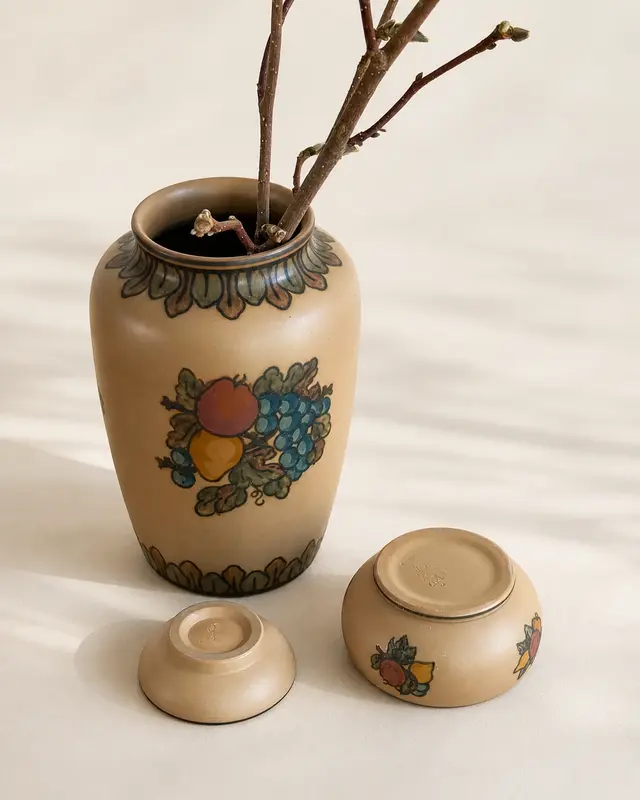
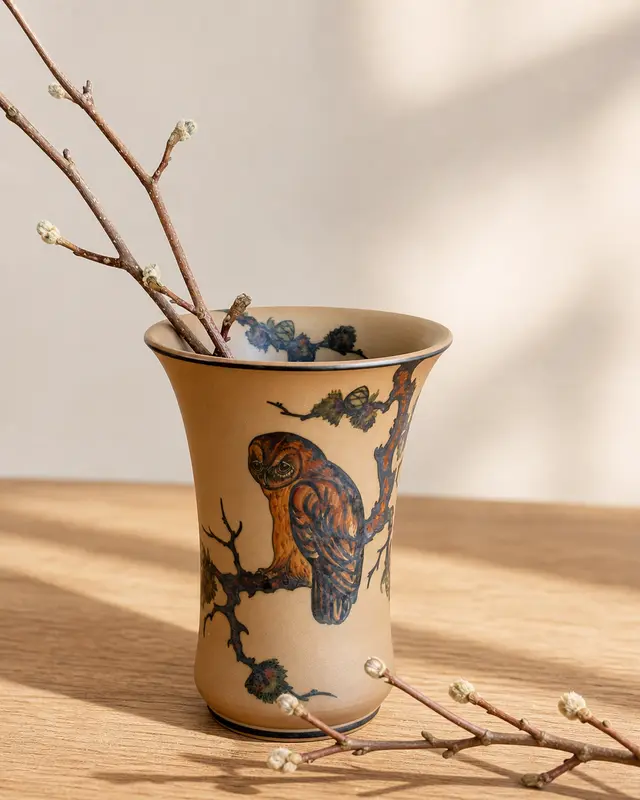
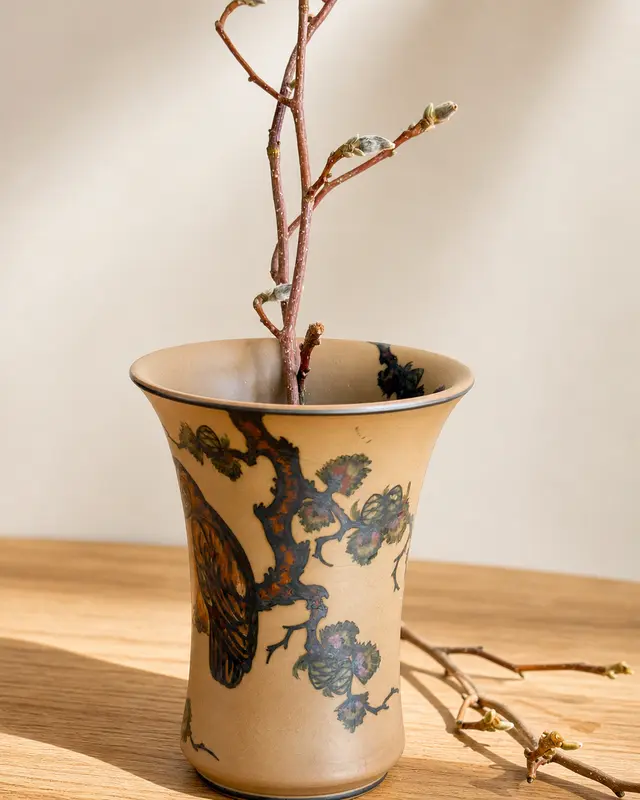
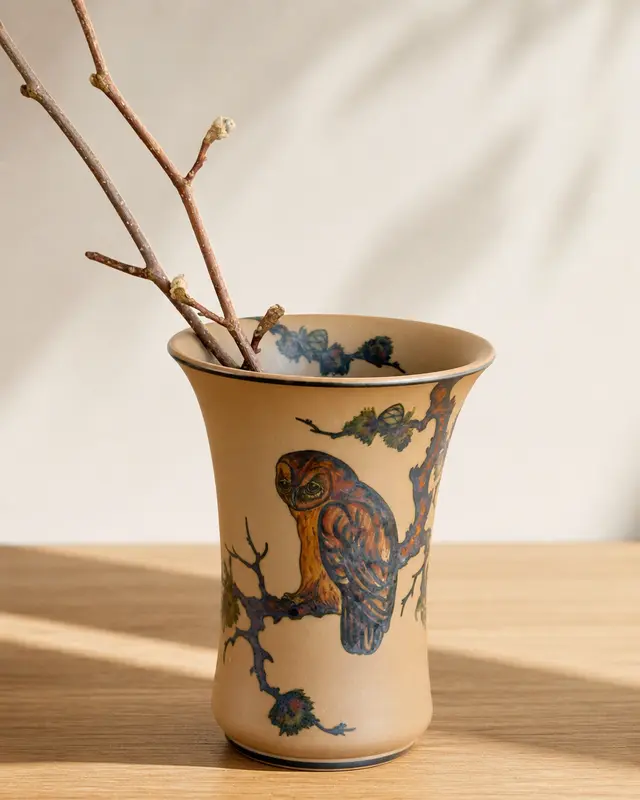
Why bring vintage into a modern home at all?
A house where every piece is new can feel as if it was made in a single moment. Vintage objects can add another layer: material that has already aged, a colour that is not in every shop right now, a form from another period, and signs that the object existed in the world before it reached us.
Researchers of material culture treat objects as part of how people build and show identity. The things we choose to live with are not only decoration. They can carry memories, tell of places we have been, recall people, or express how we want our house to feel.
A study of young people and second-hand objects found that used furniture and things gain value not only from material and durability, but also from the stories and social ties that come with them. A house does not become personal because every piece in it is rare. It becomes personal when objects take on meaning in the life that happens around them.
Vintage can add to a modern home:
- Depth and history
- Colours and materials that do not depend on the current trend
- Objects that are not in thousands of other houses
- Handwork and material quality
- Contrast that also picks out the new pieces
- A sense that the house was gathered and built over time
What is the difference between vintage, antique, and second-hand?
These terms are sometimes used as if they mean the same thing, but they describe slightly different things.
A second-hand object is simply something that already belonged to someone else. It can be two years old or eighty, of design value or completely everyday.
Vintage usually describes a relatively old object that stands for a period, a style, a material, or a way of making. Not every second-hand object is vintage, and not every vintage object has to be rare or expensive.
Antique is an older object, usually given an age of at least a hundred years, though the definitions change between markets, countries, and kinds of collecting.
But in life at home, the definition is not always the most important thing. The more interesting question is: is it a good object? Is it well made? Does it fit your life? And will you still want to see it after the current trend has passed?
Can a modern home hold vintage?
Not only can it: sometimes it is the vintage piece that lets the modern design work.
A modern room tends toward clean lines, smooth surfaces, new production, and repetition. An old object brings in a small unevenness: metal that has taken on patina, glass in an unexpected tone, ceramic that is not quite symmetrical, or wood on which you can see time.
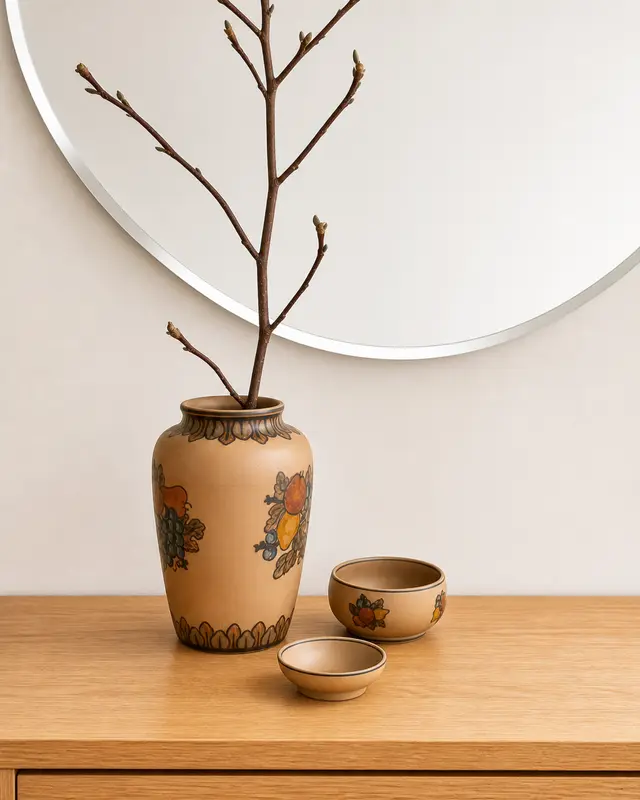
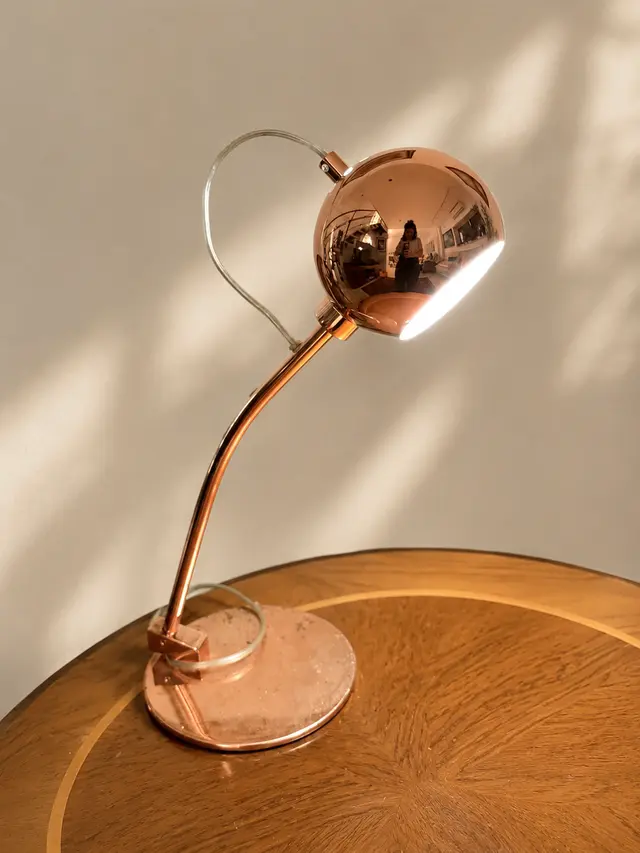
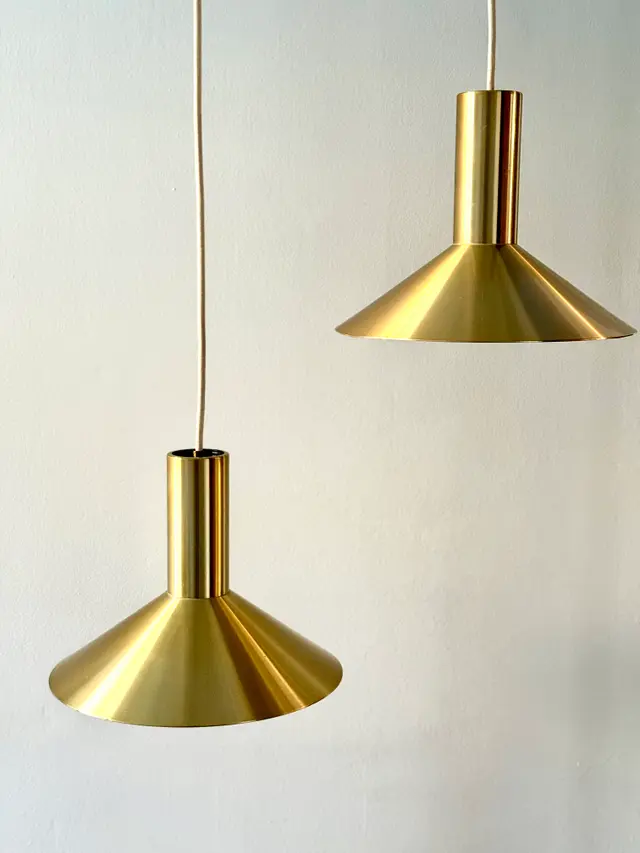
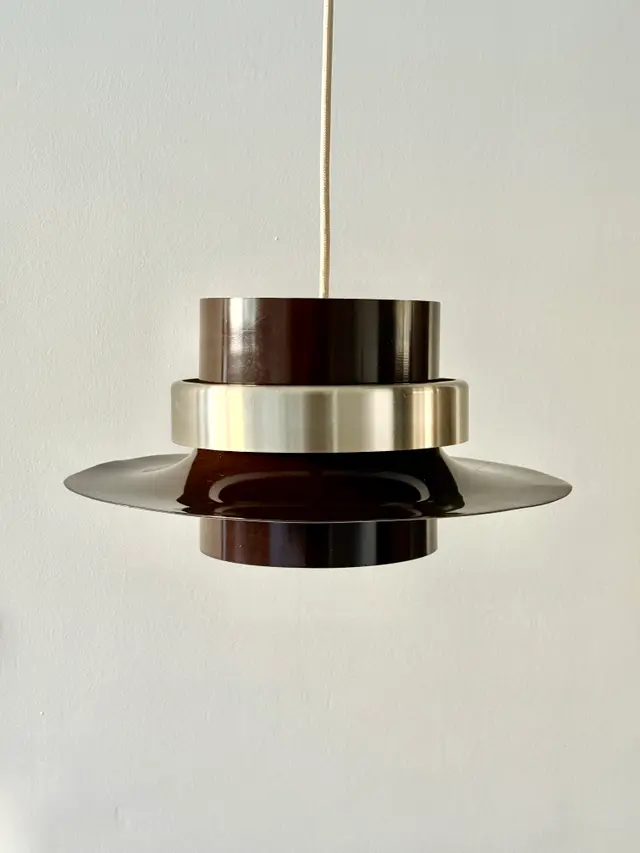
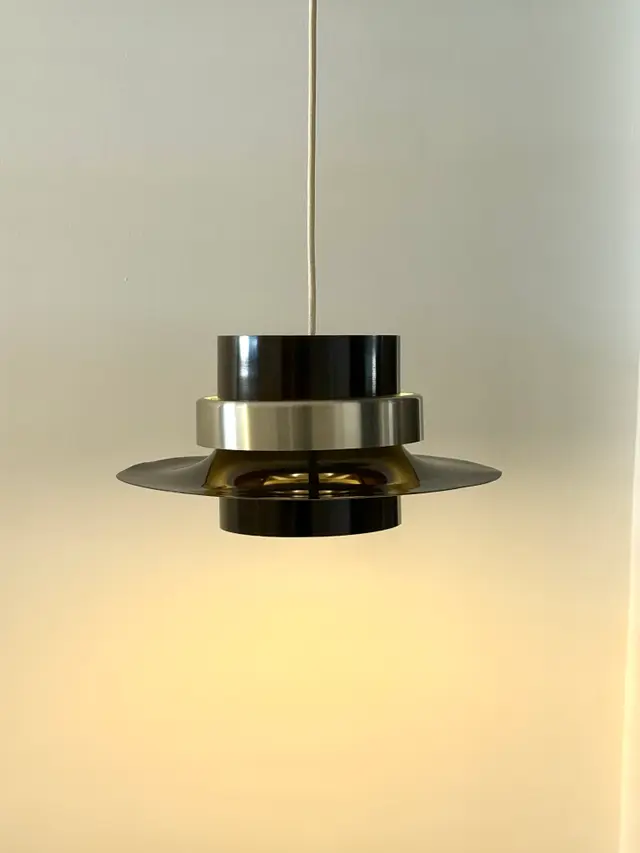
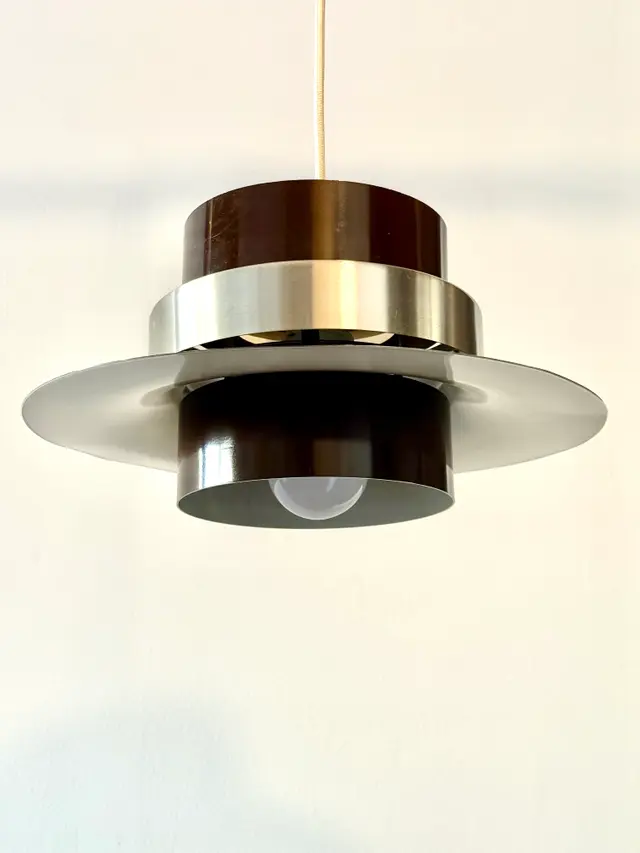
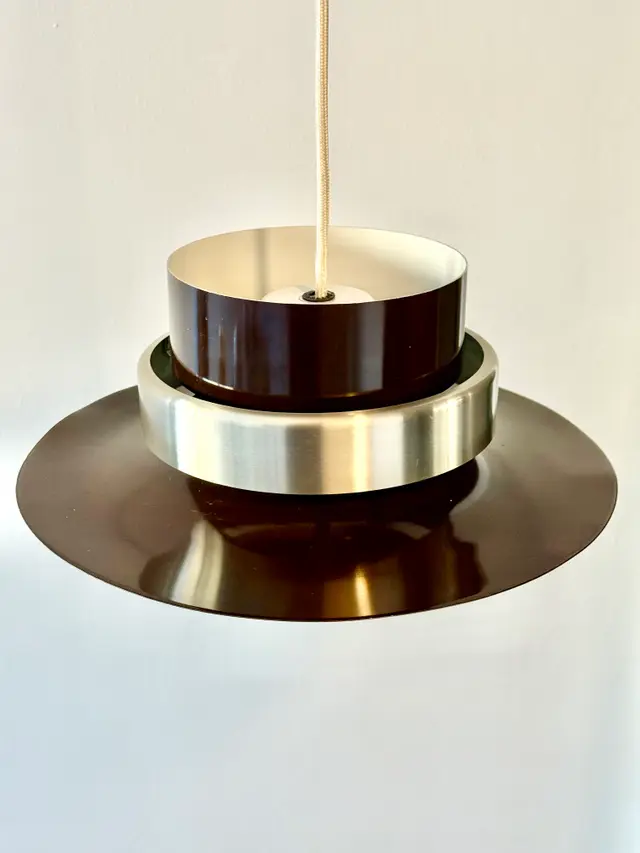
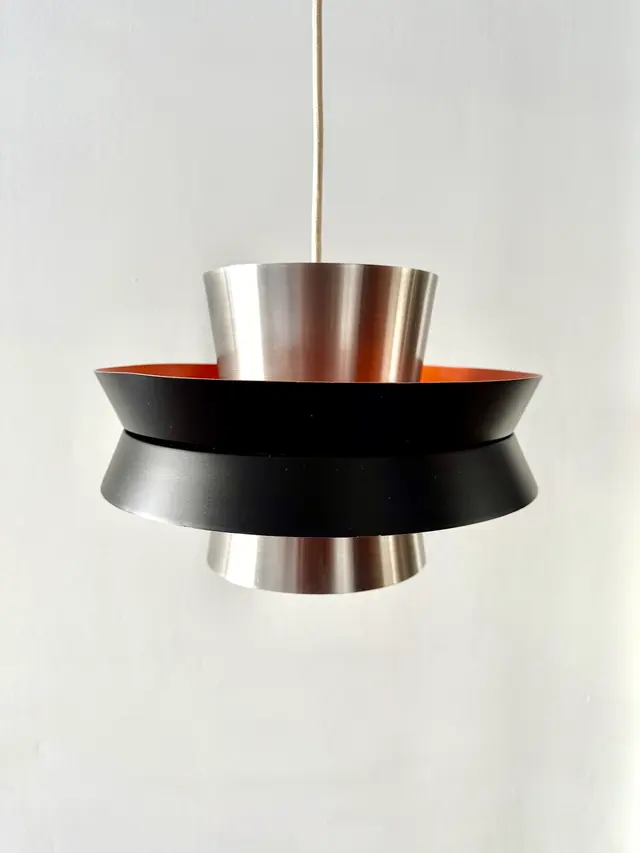
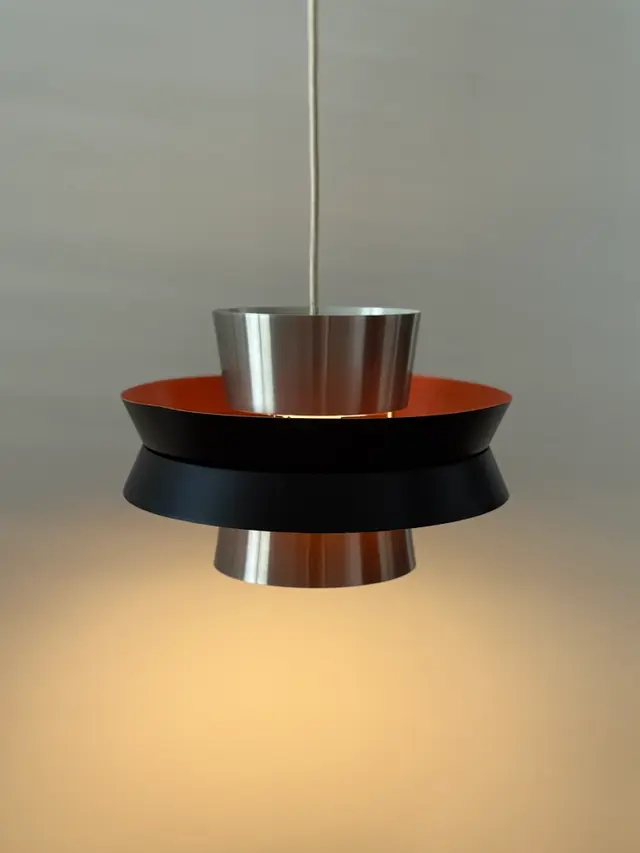
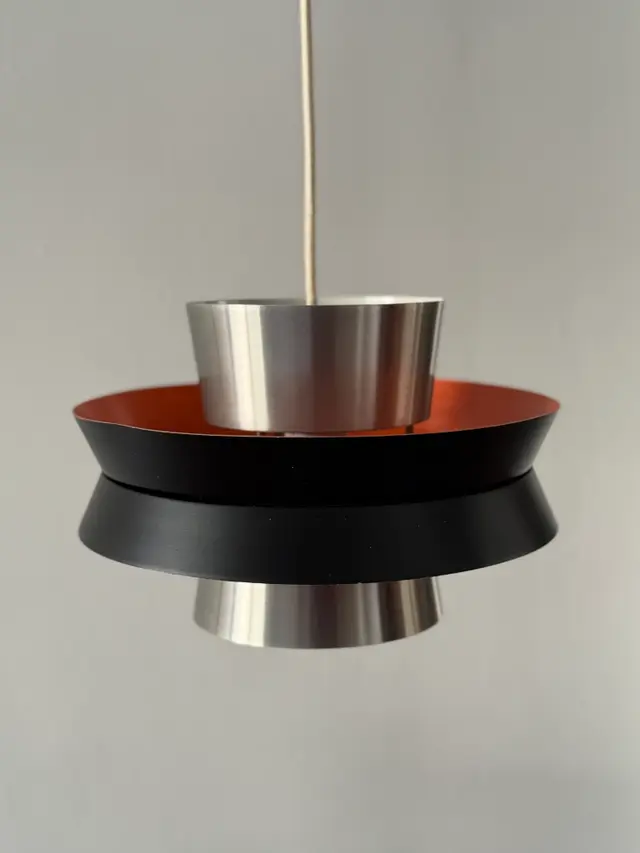
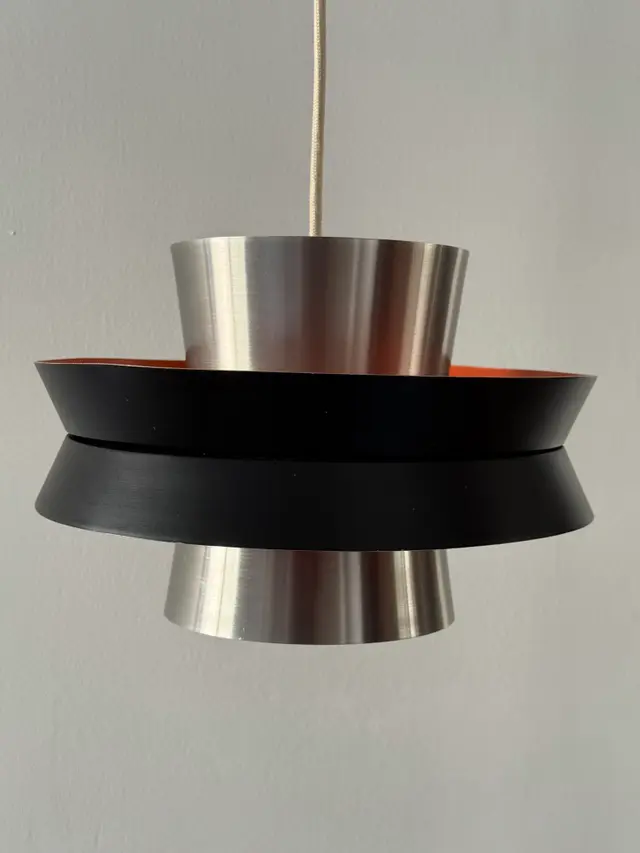
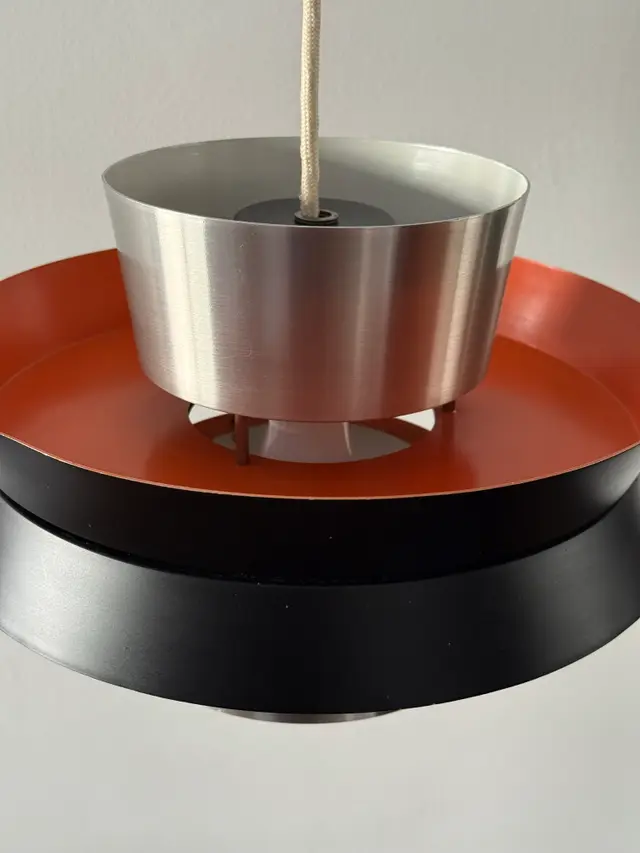
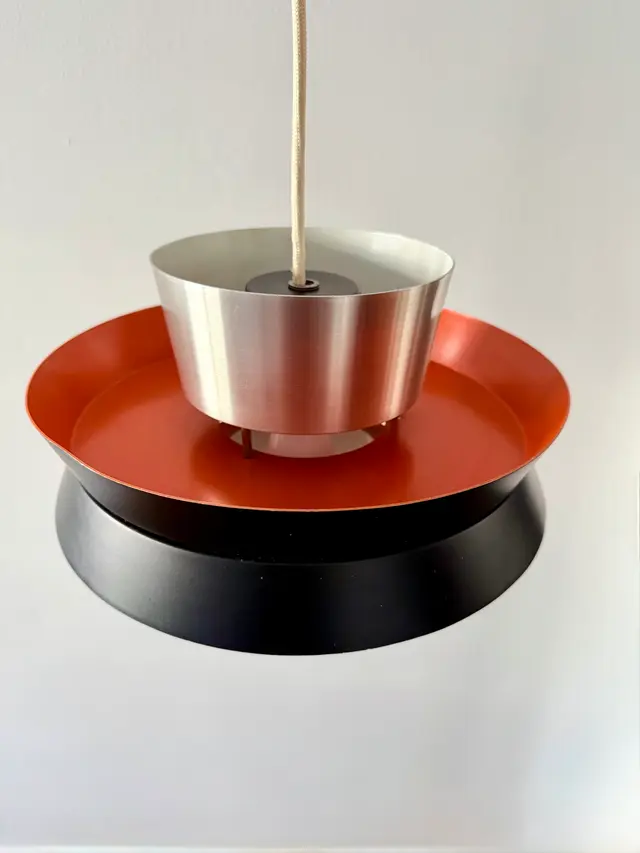
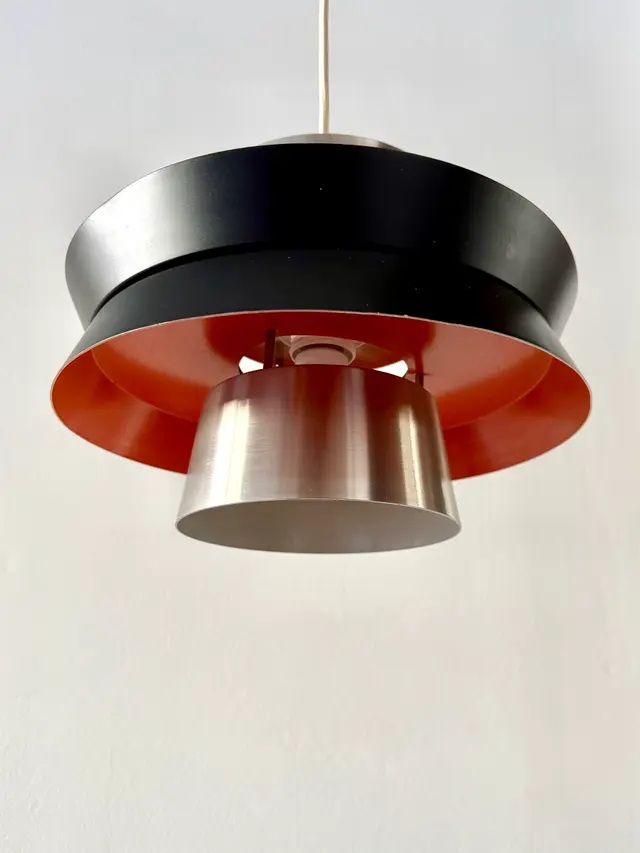
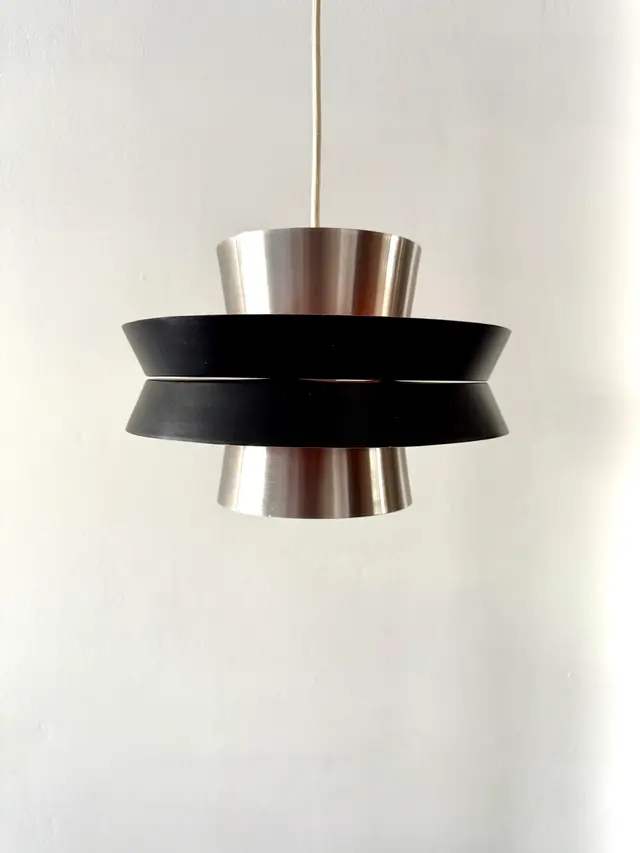
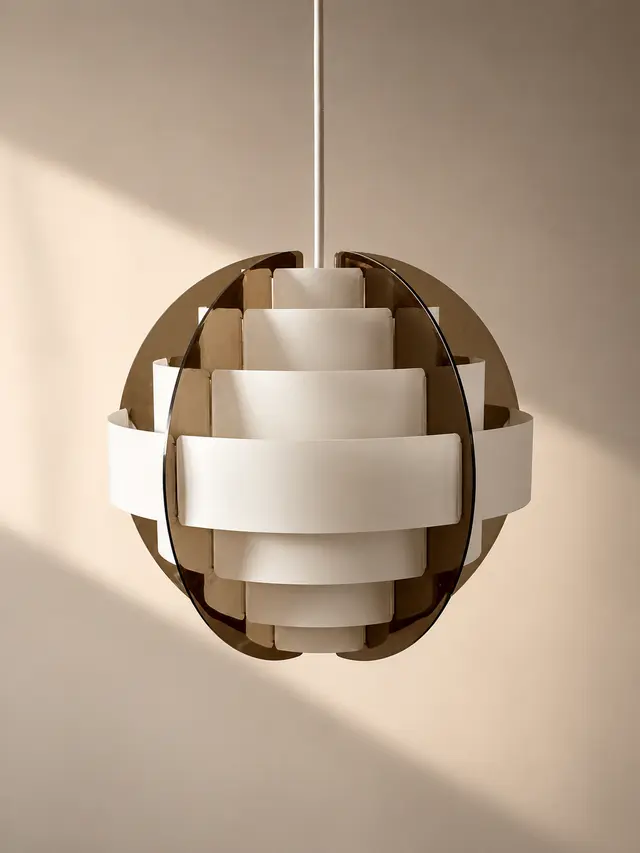
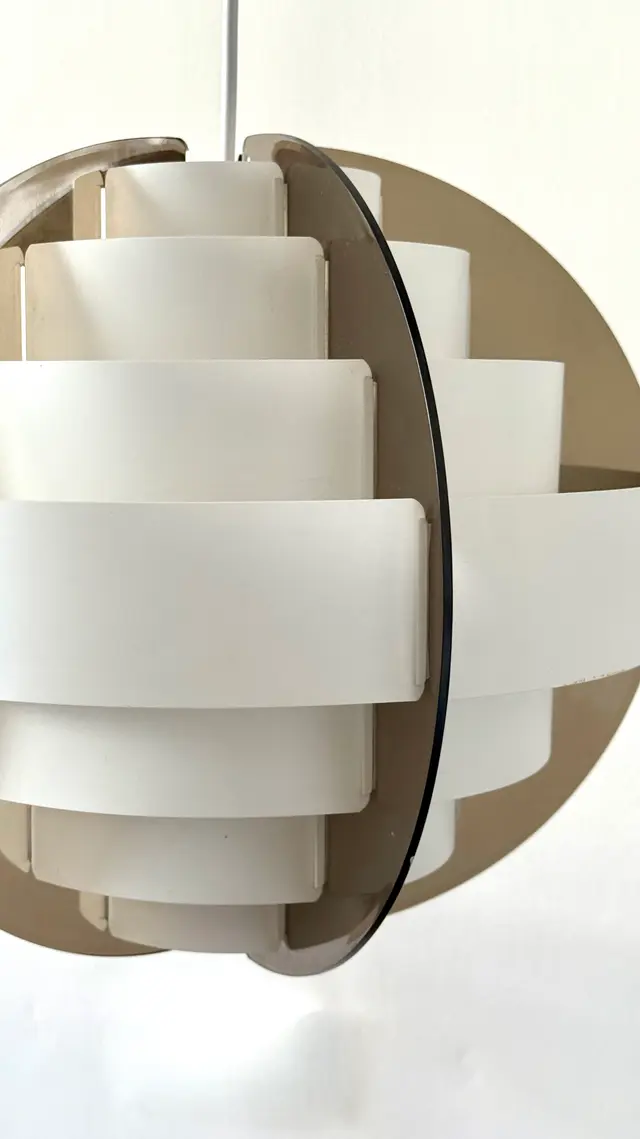
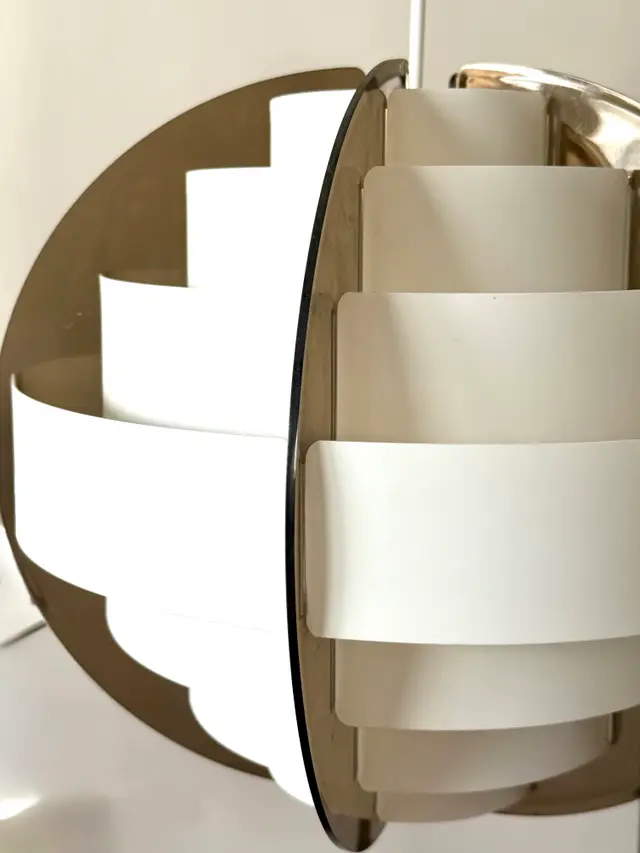
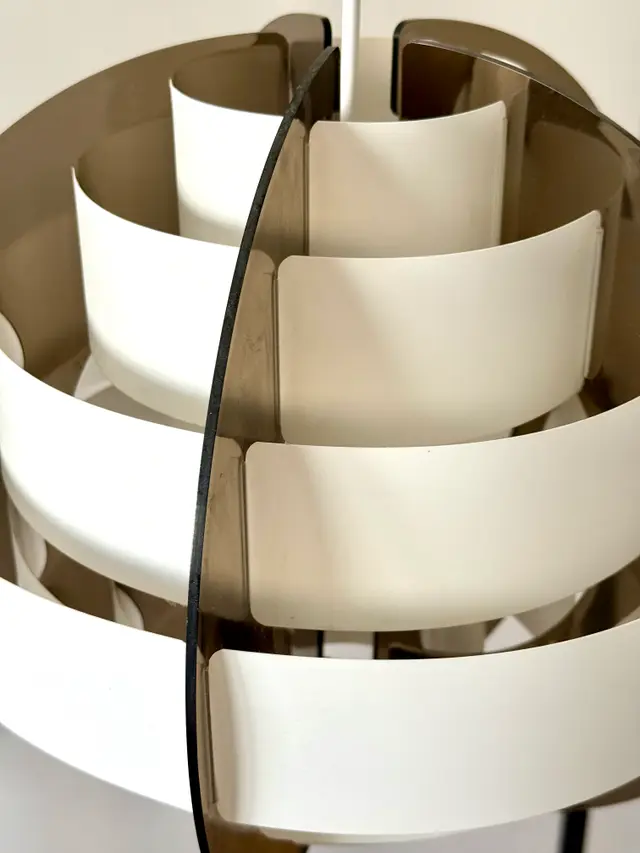
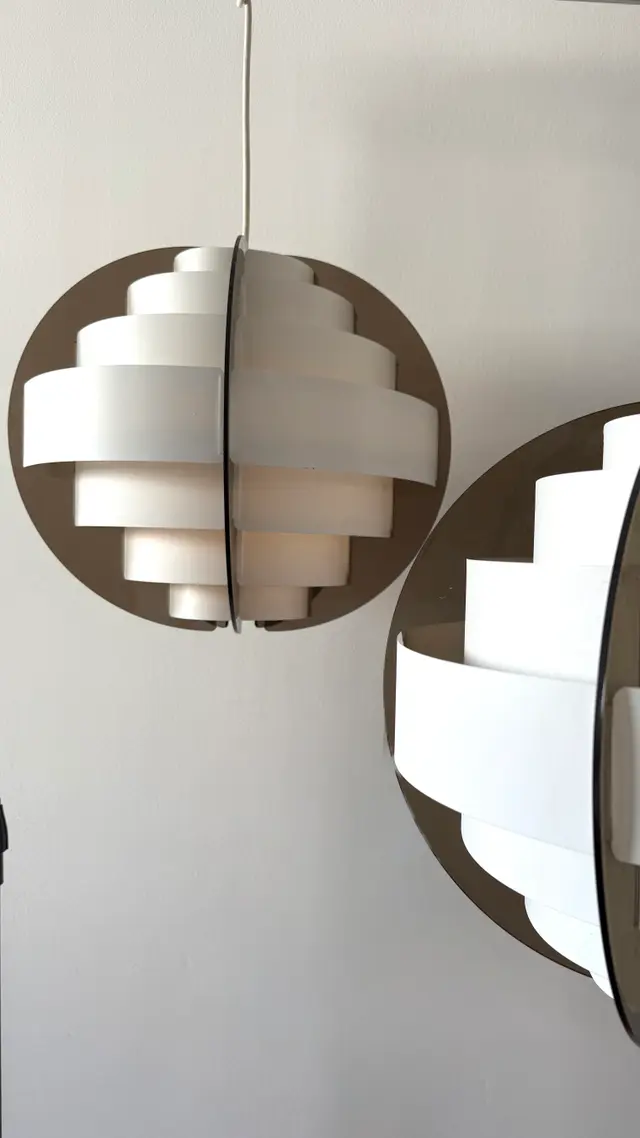
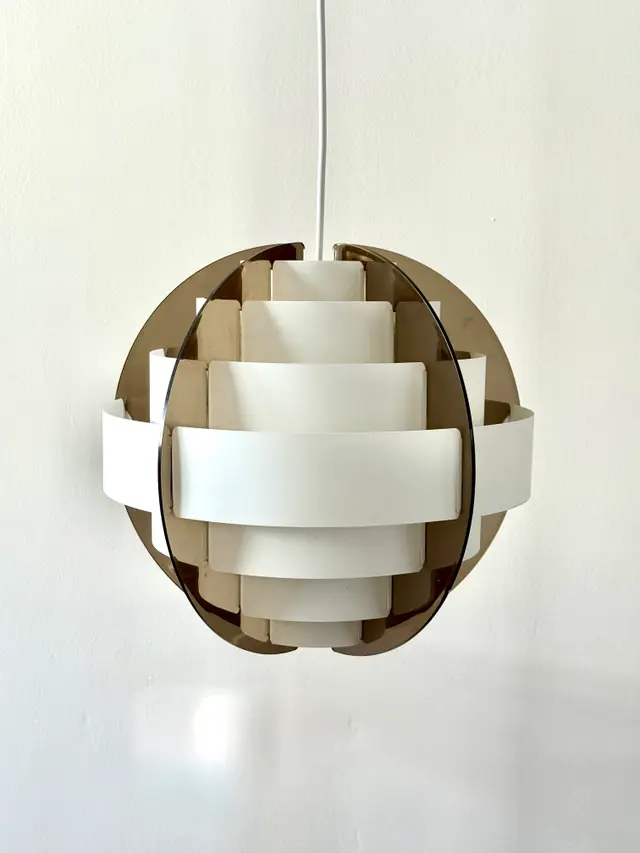
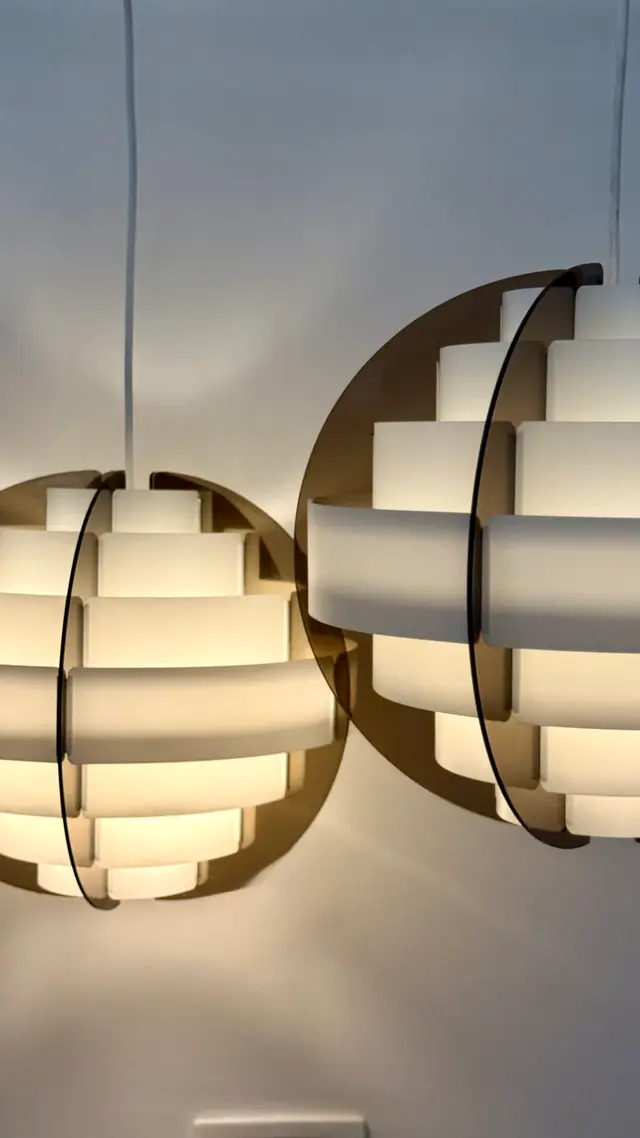
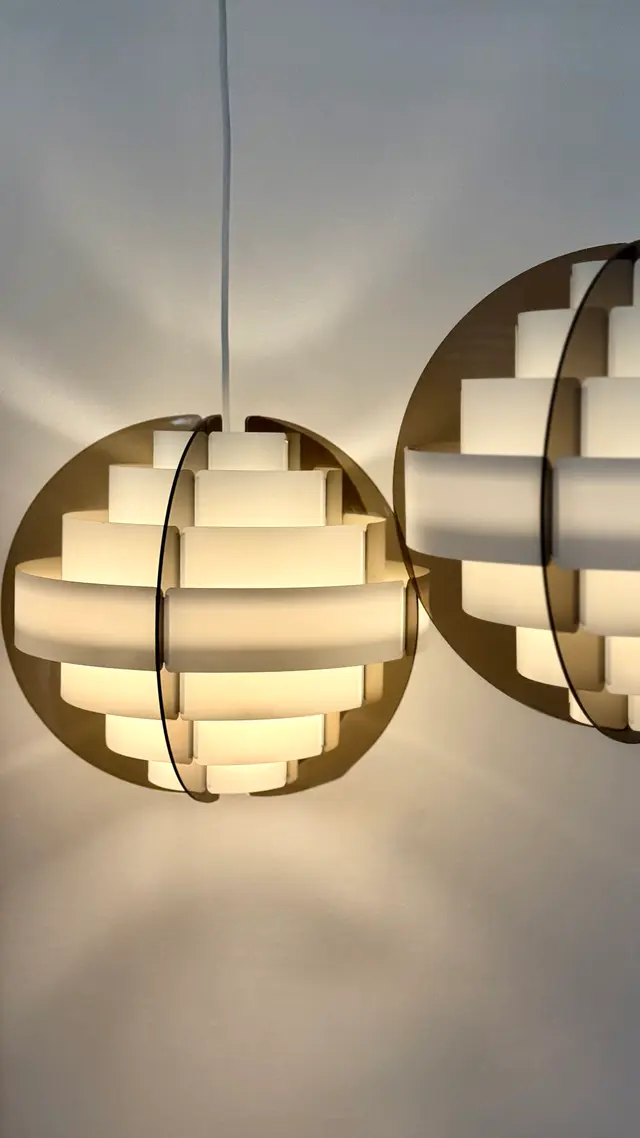
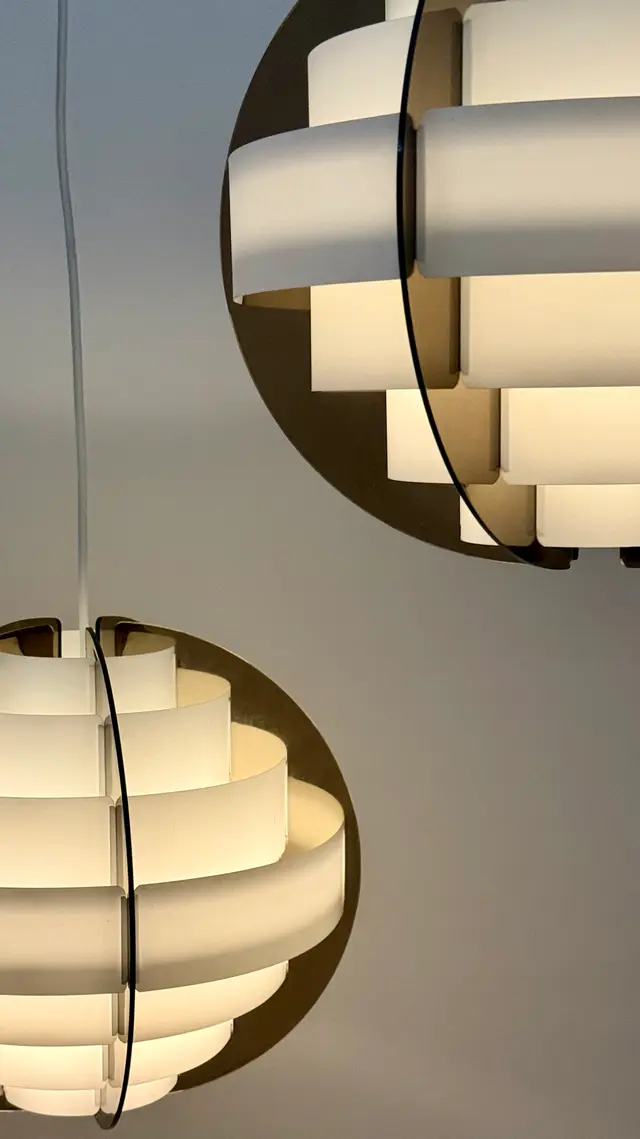
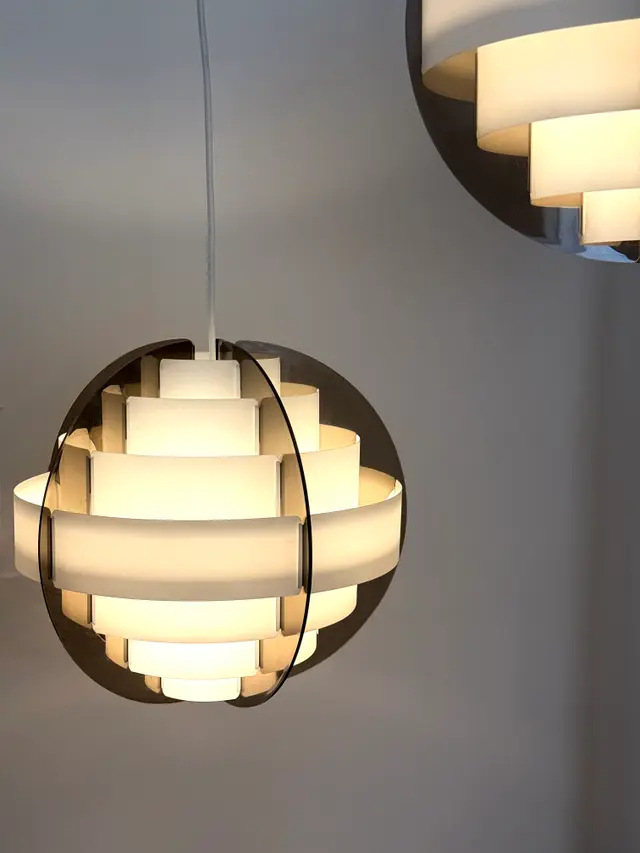
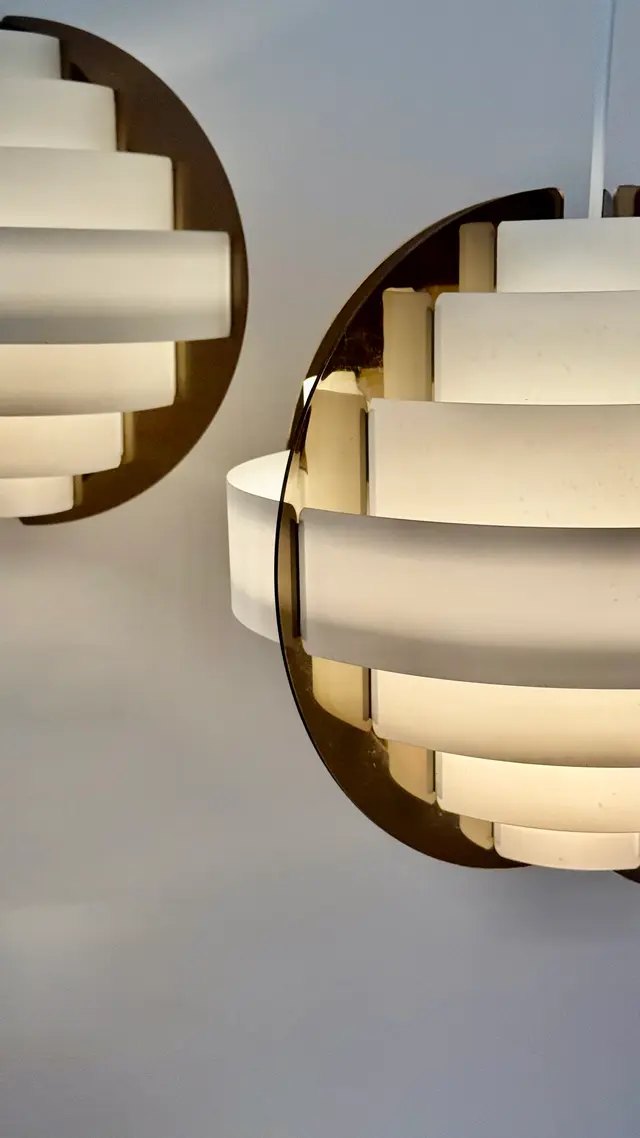
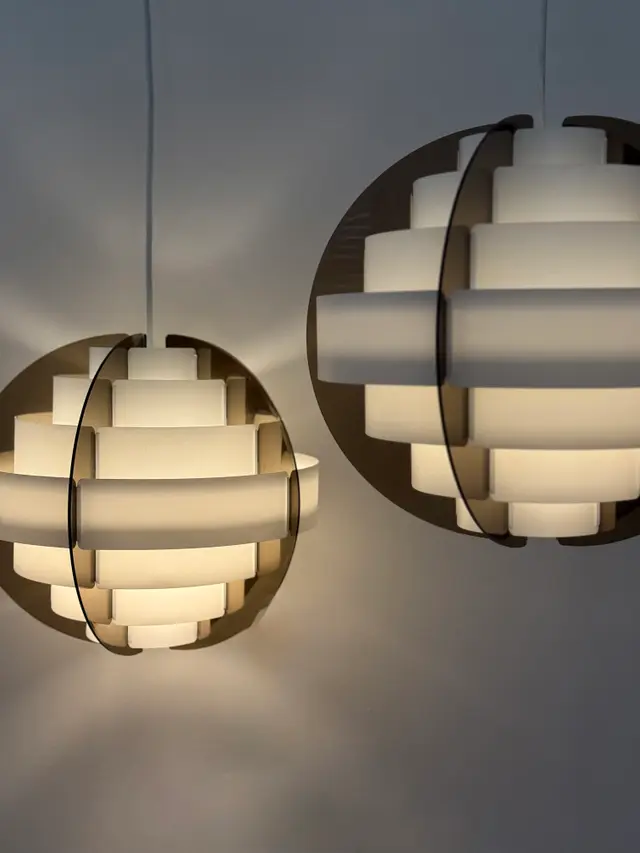
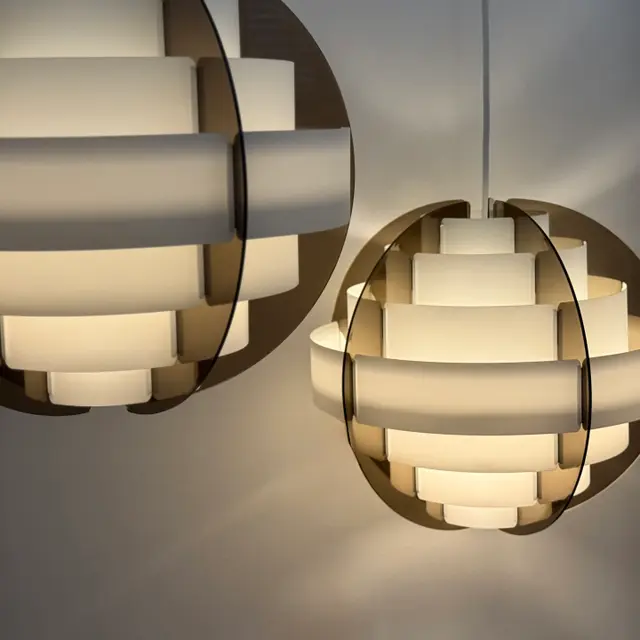
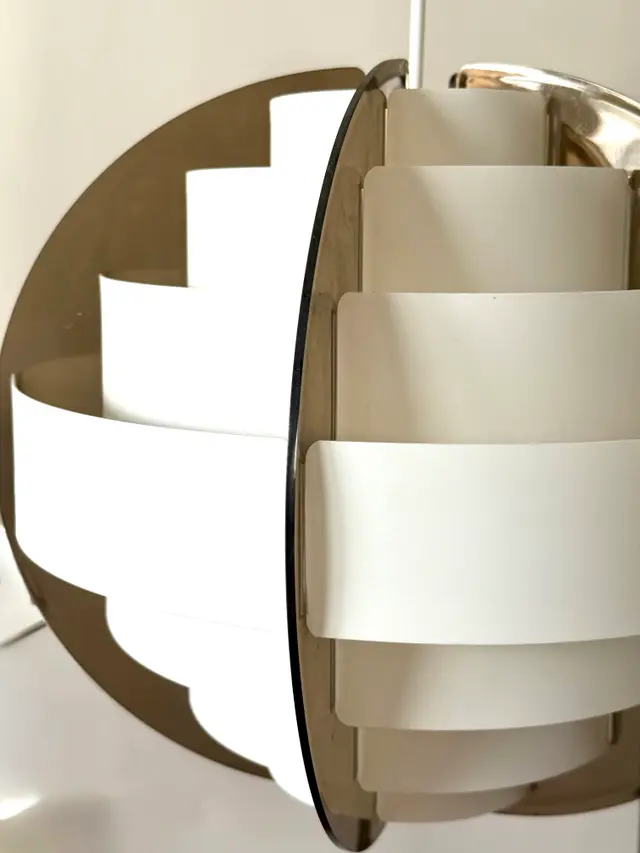
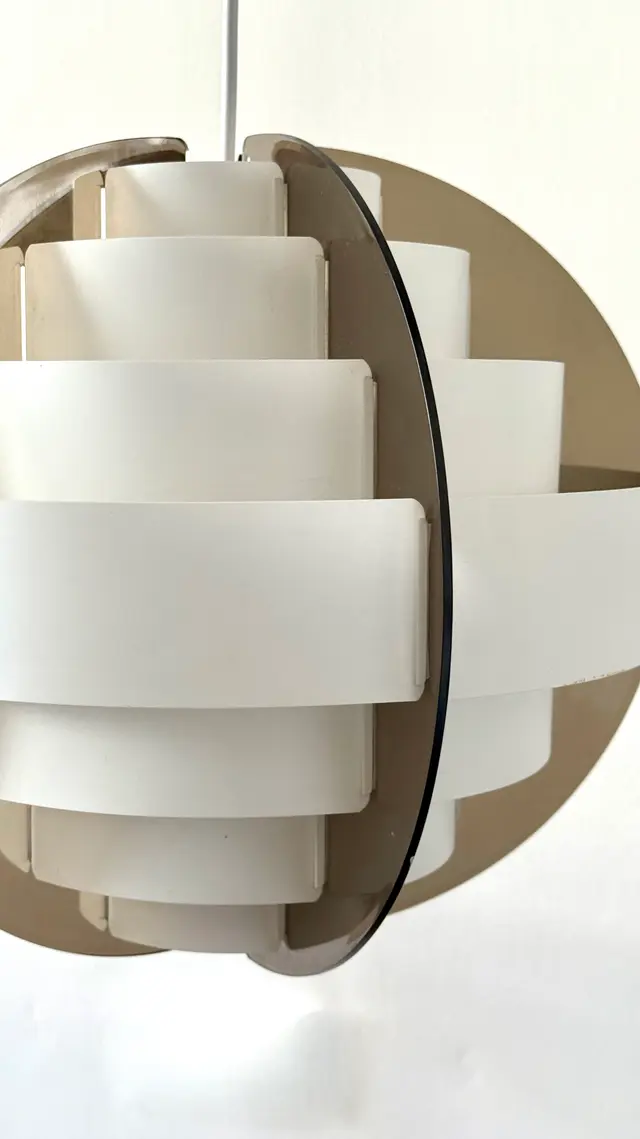
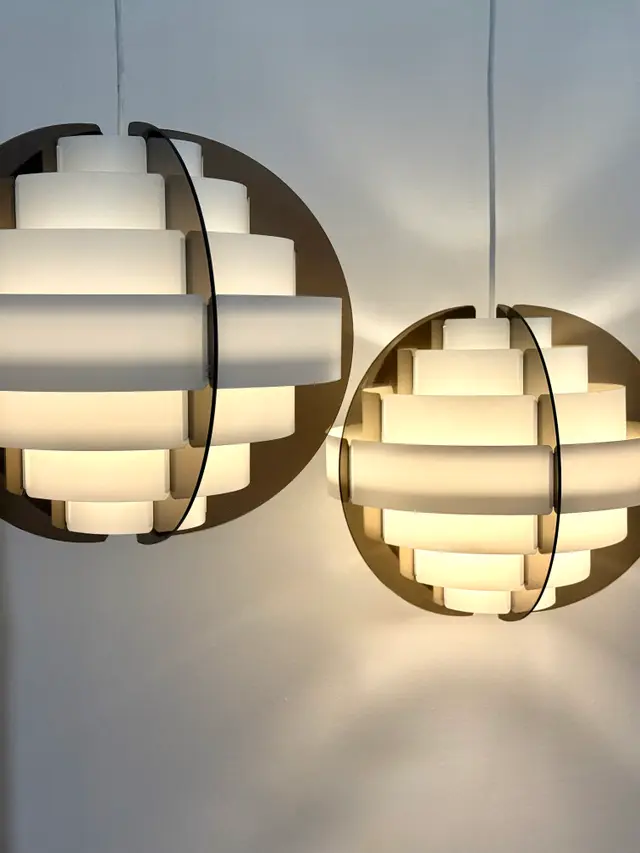
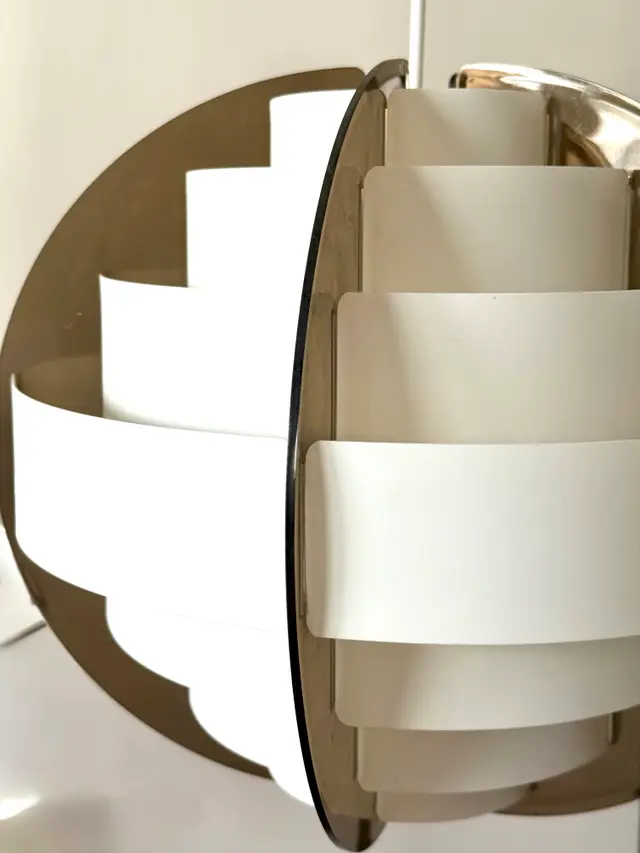
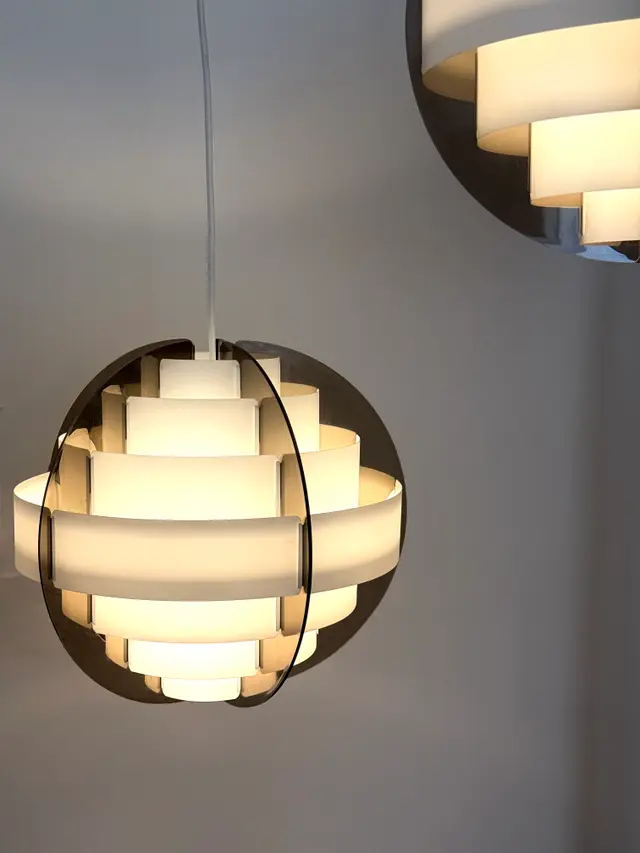
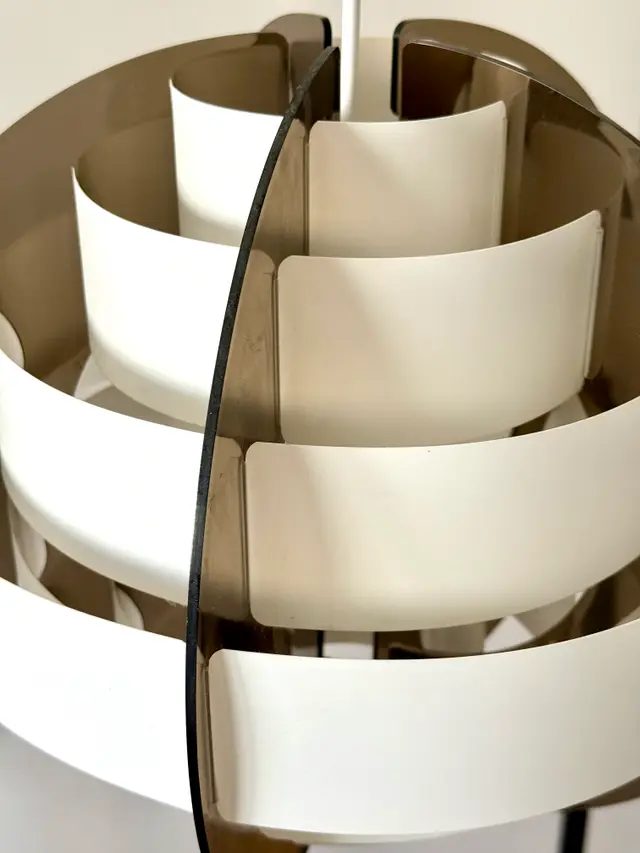
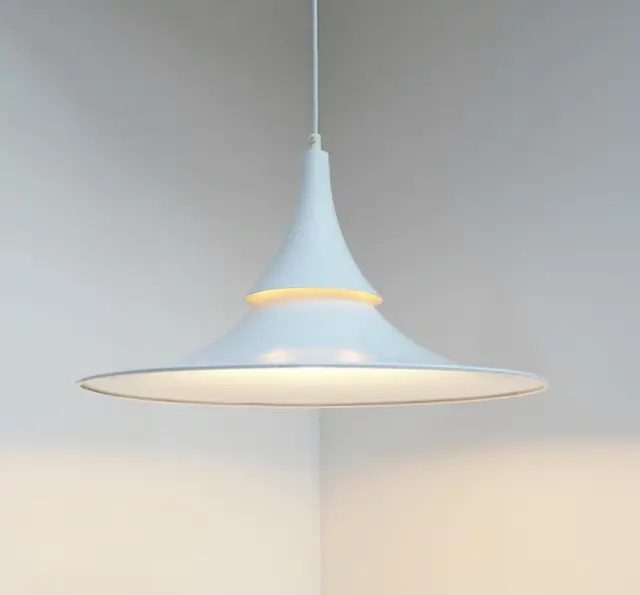
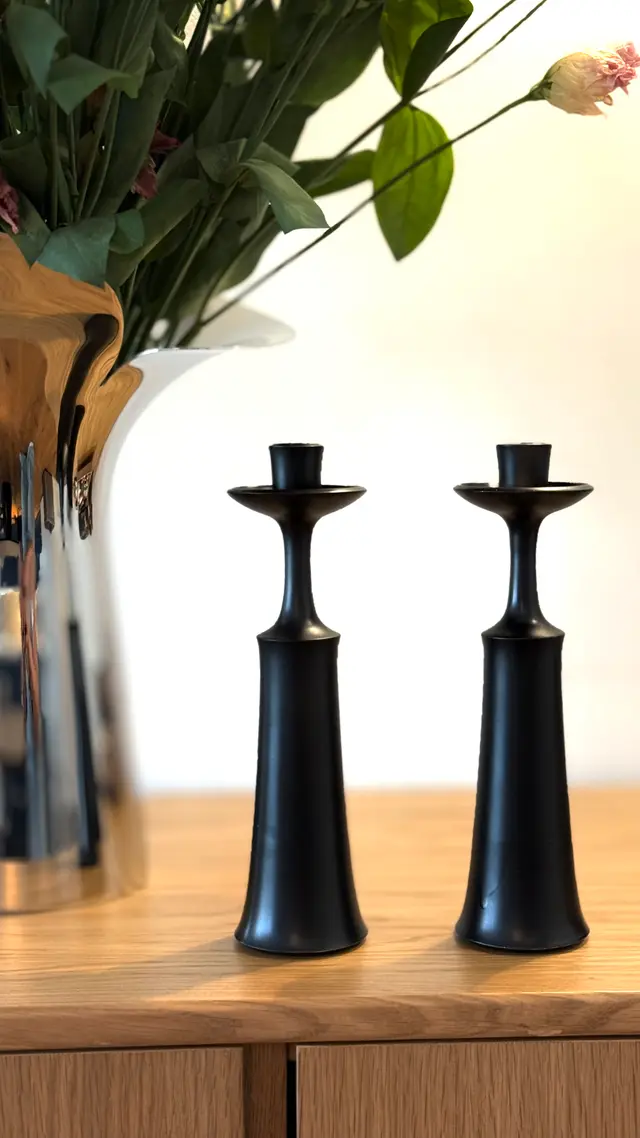
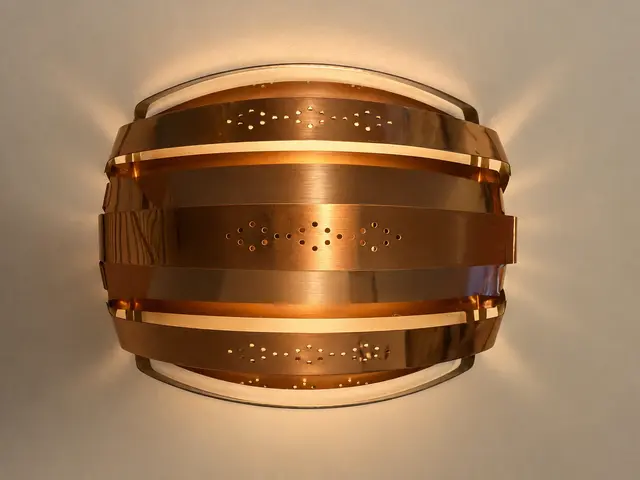
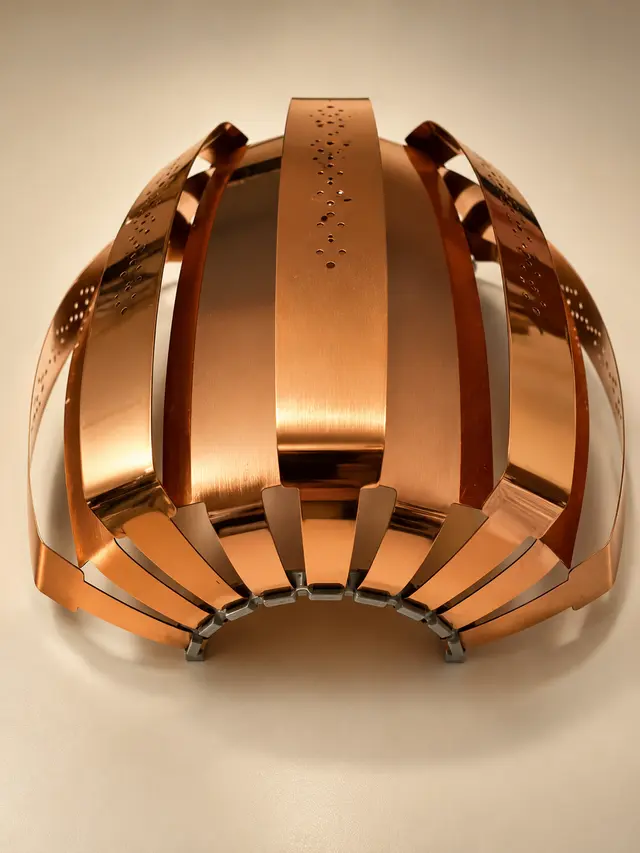
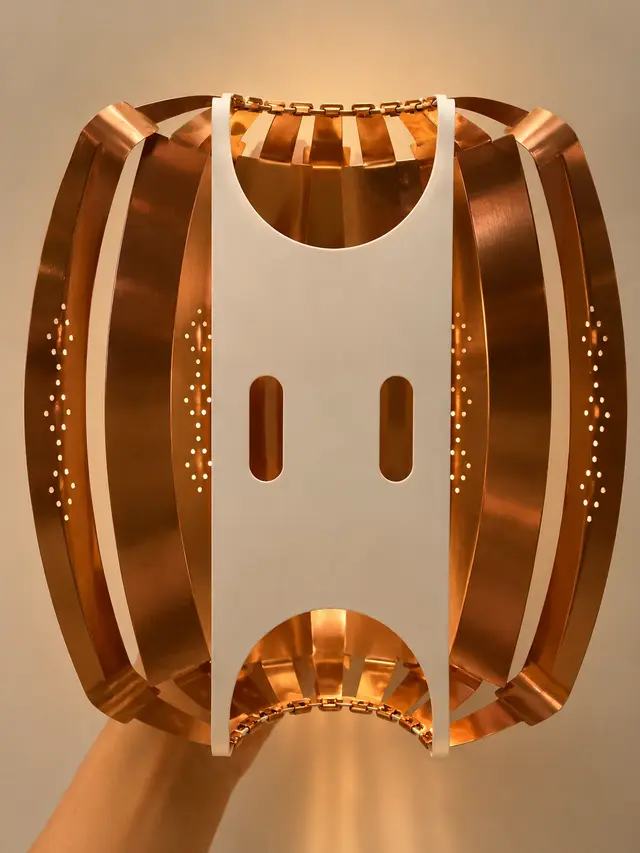
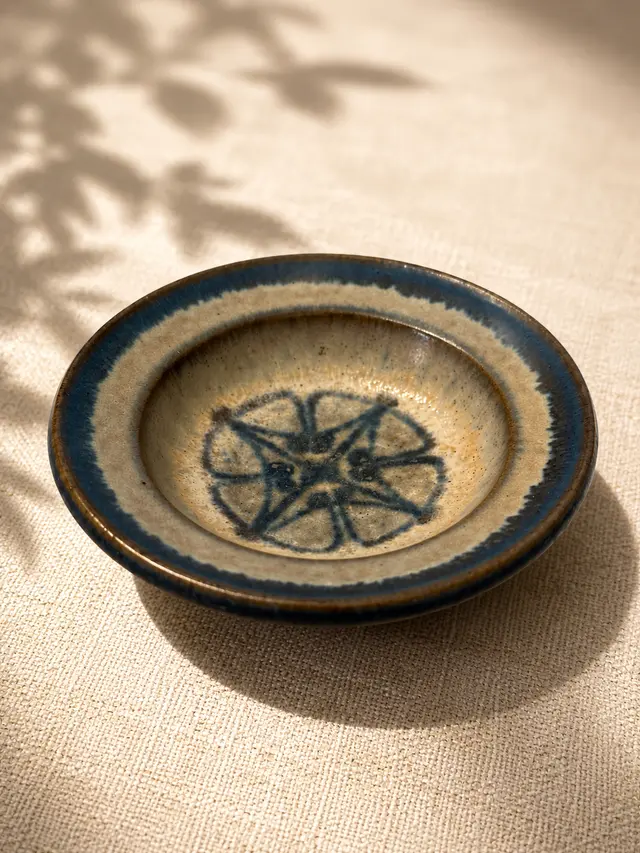
That contrast picks out both sides. A sculptural vintage lamp looks clearer against a clean wall. A new, simple table can look more interesting with an old bowl or a pair of unmatched candle holders. A modern house gives the old object space; the old object gives the modern house character.
There is no need to turn the house into a period set. The aim is not to rebuild a 1968 living room, but to let an object from 1968 go on living in 2026.
Where do you start?
Do not start from the question “what style do I have?”. Start from the life in the room.
Go into the living room in the evening and ask what is missing. Does the light come only from the ceiling? Does the coffee table look empty and without character? Is there a shelf where every object is new and similar? Does the dining area feel useful but not inviting? Does the bedroom need material, colour, or a softer light?
Then look for one object that can do a clear job:
- A vintage lamp that will make a corner of light
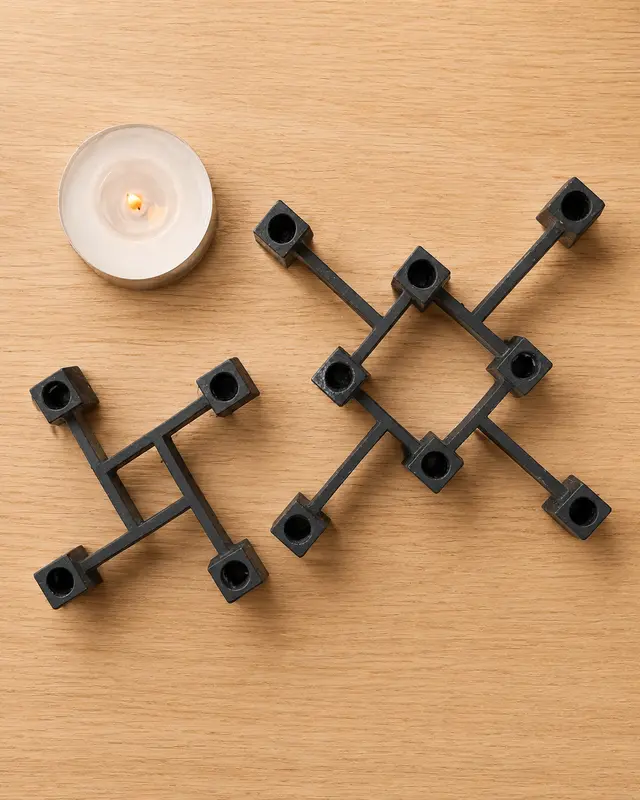
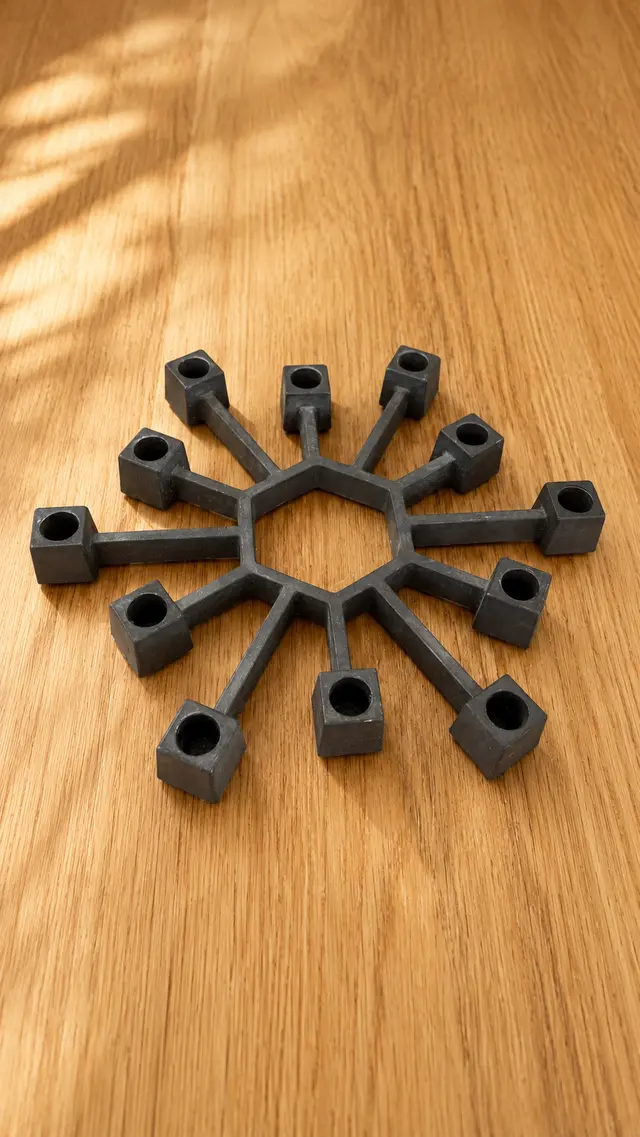
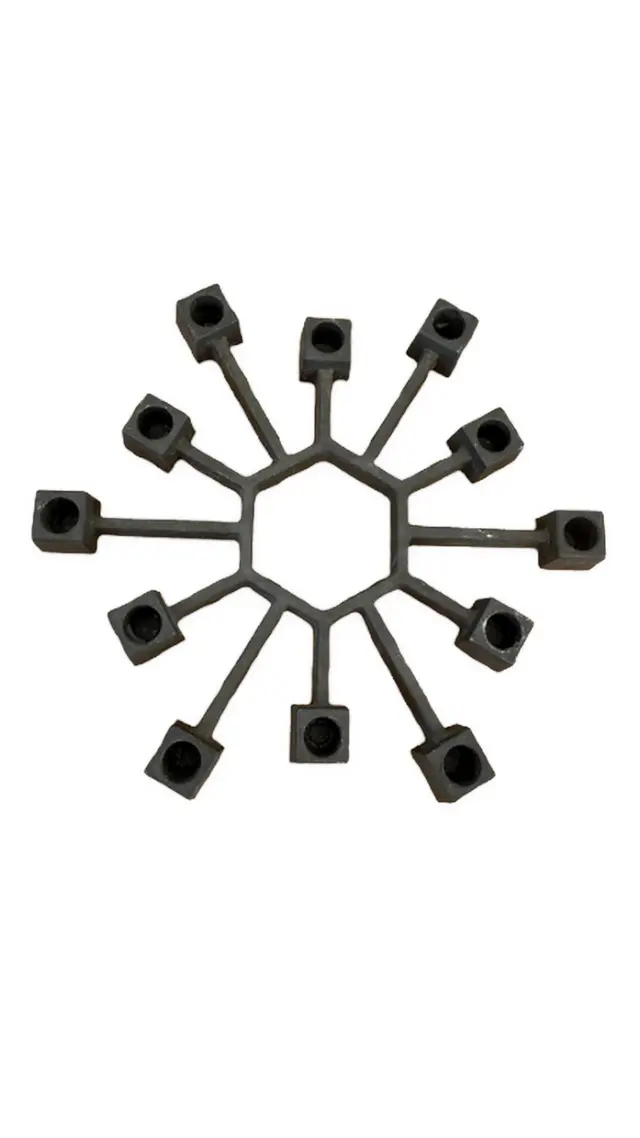
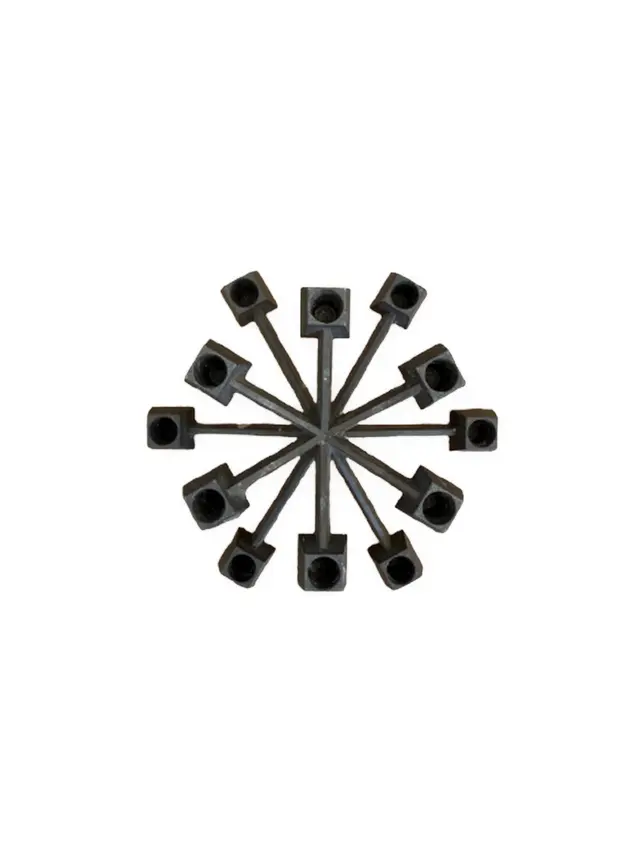
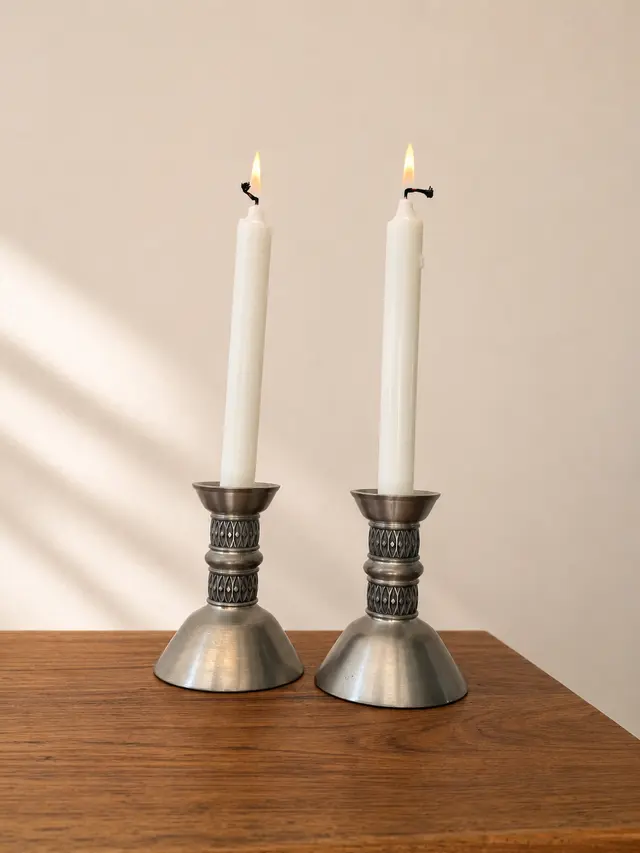
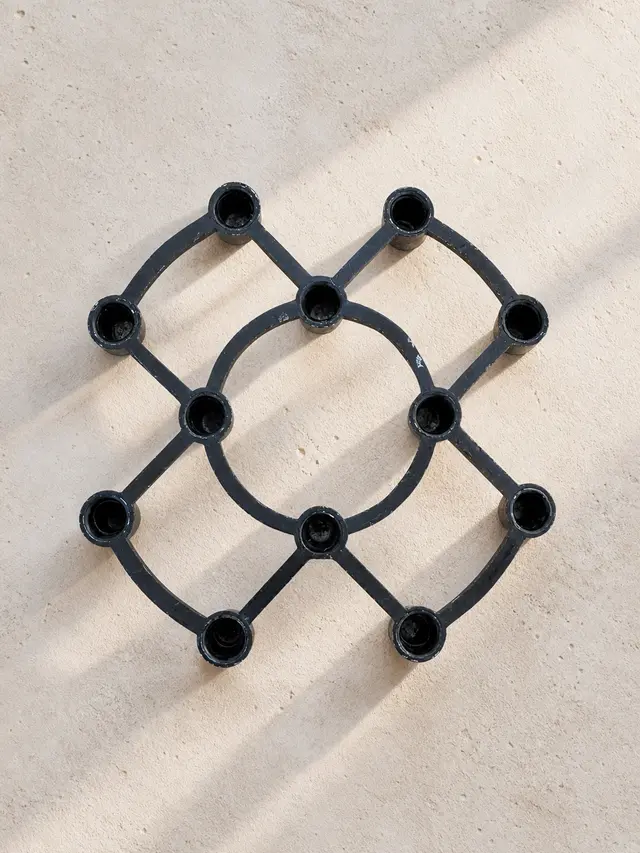
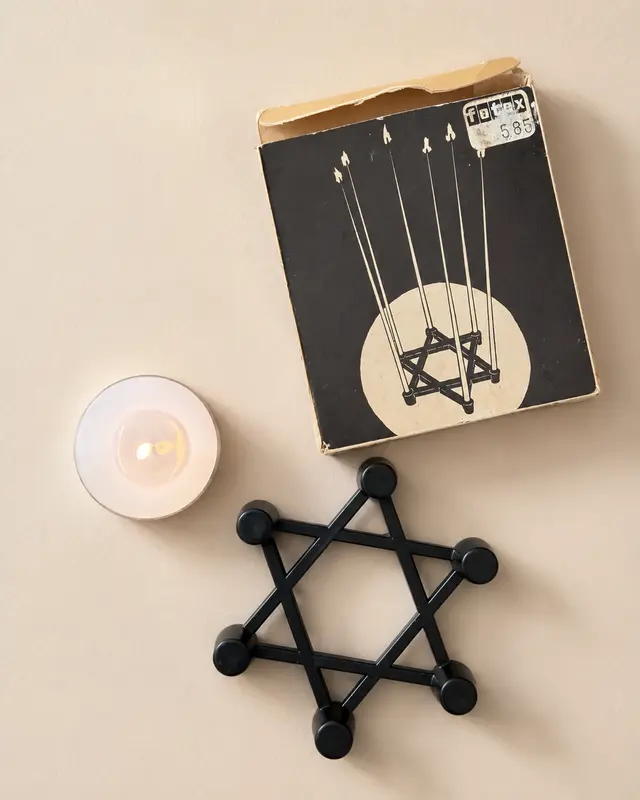
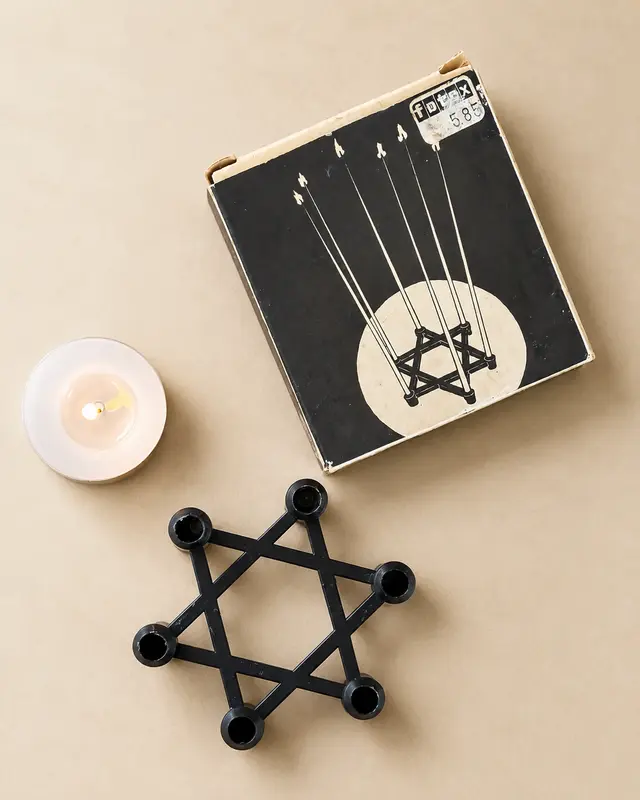
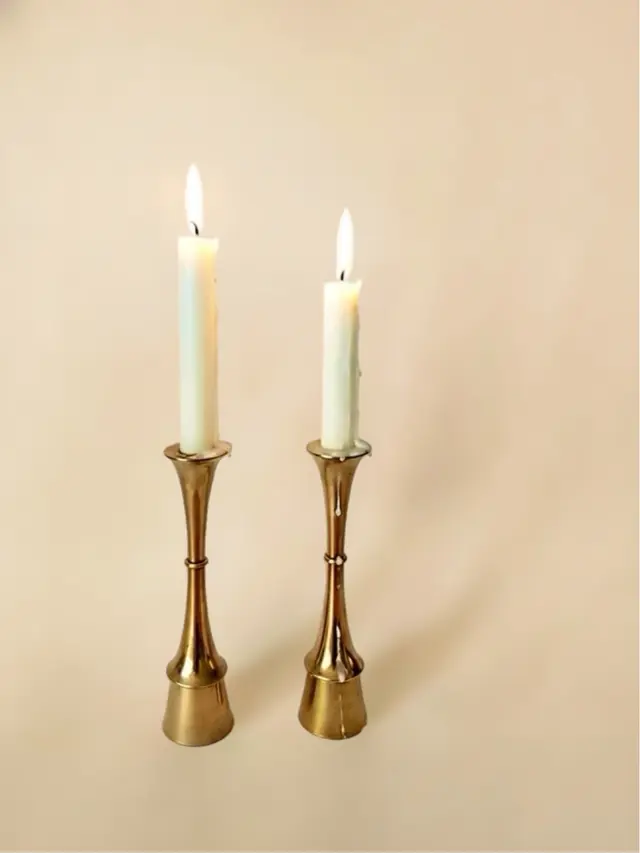
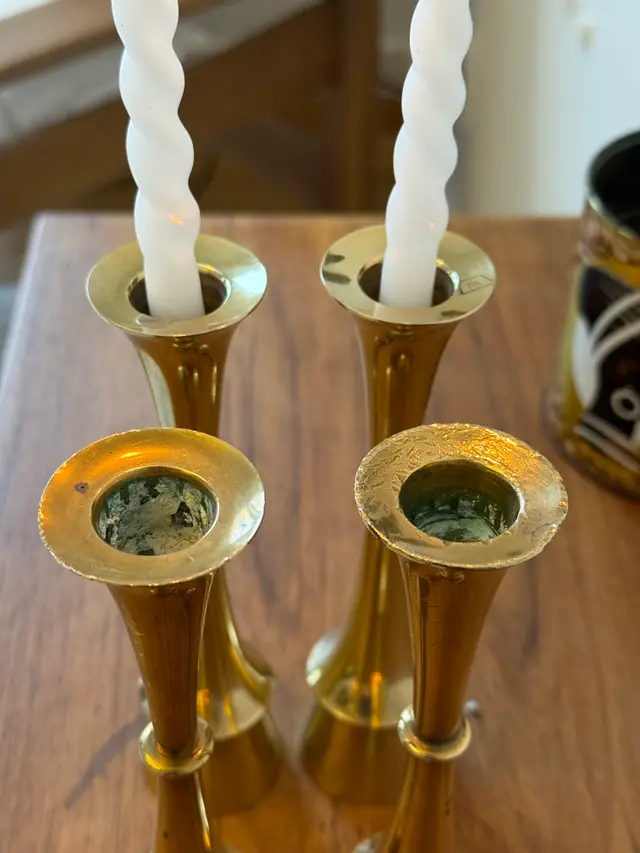
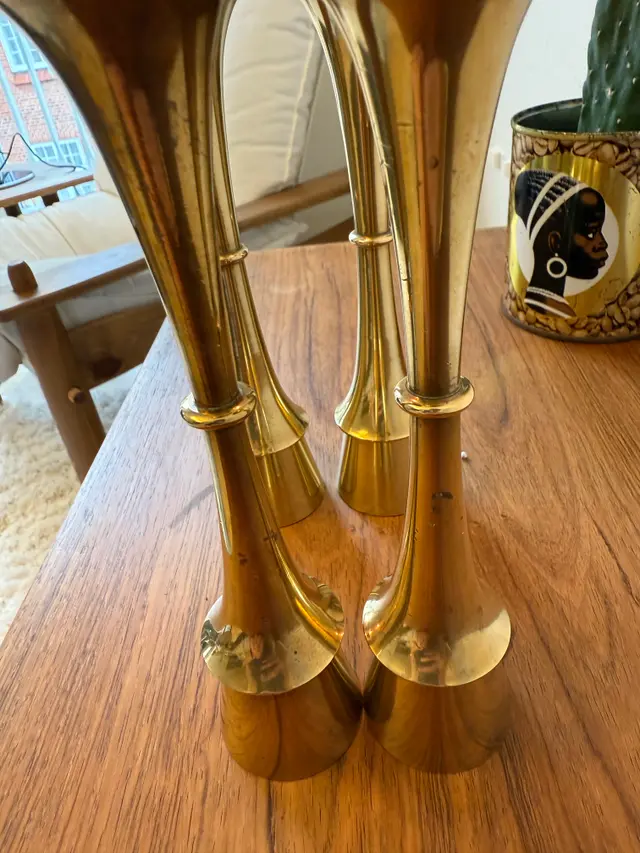
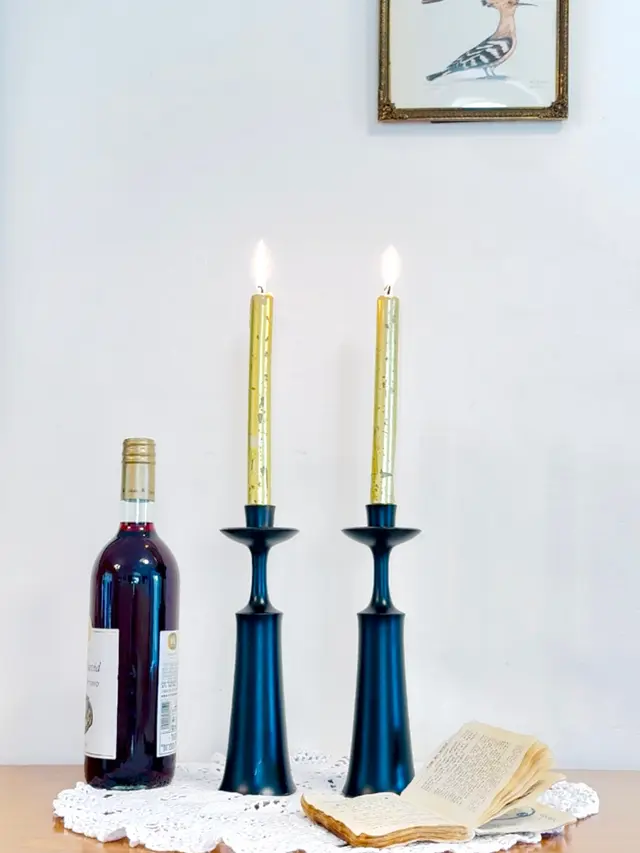
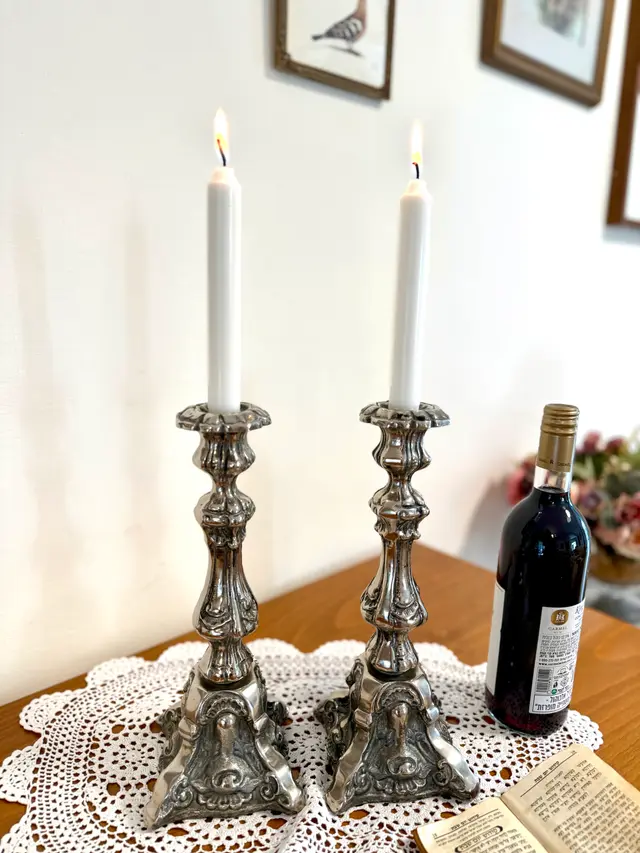
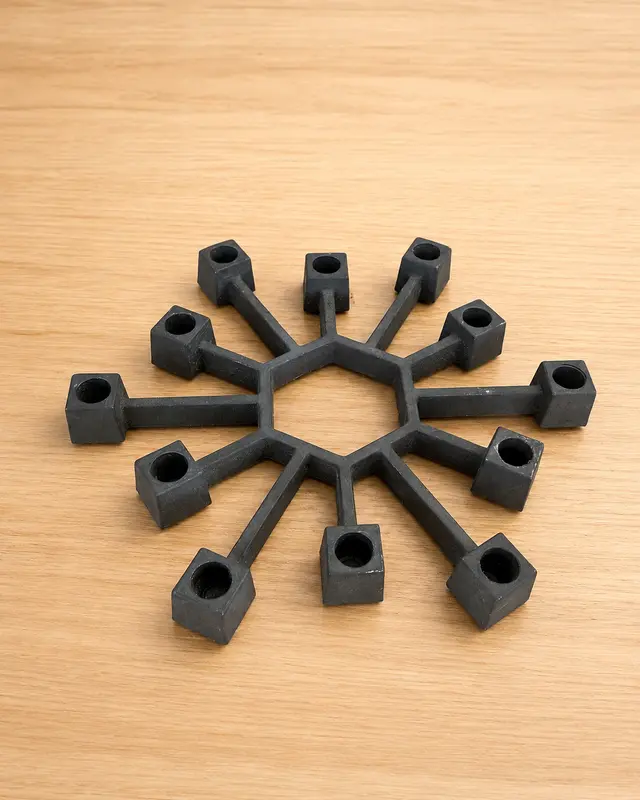
- A candle holder that will change the atmosphere around the table
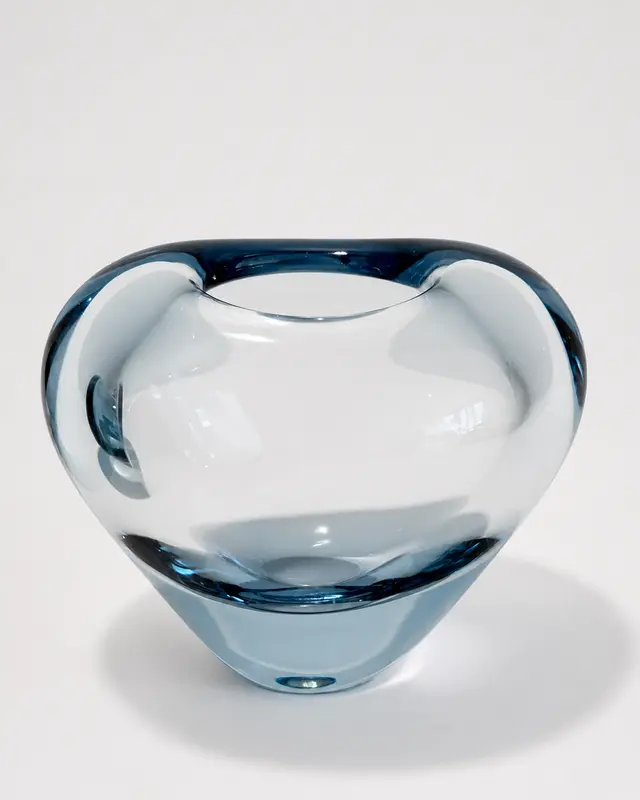
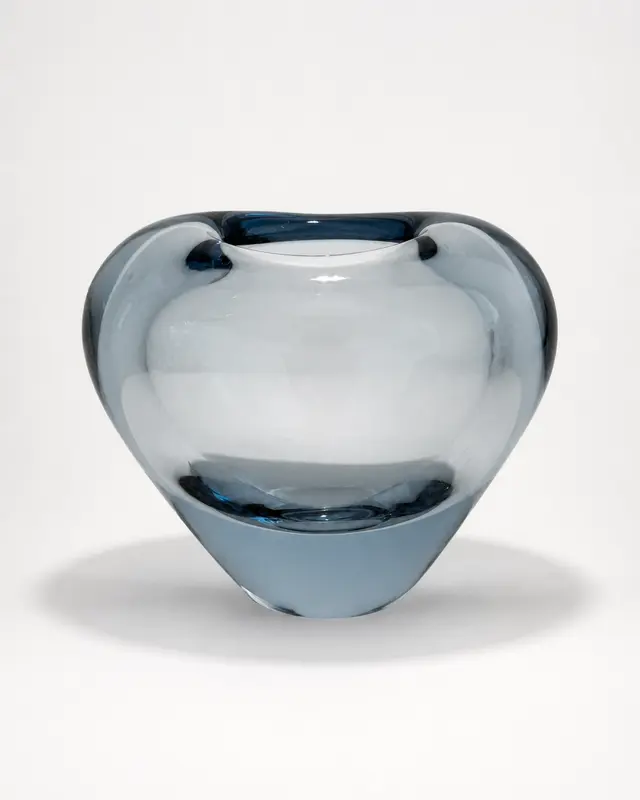
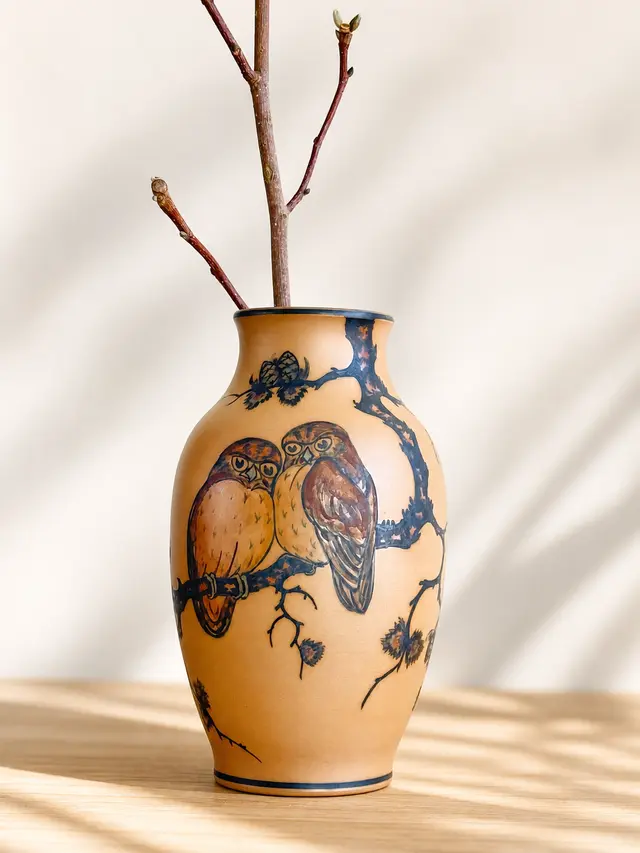
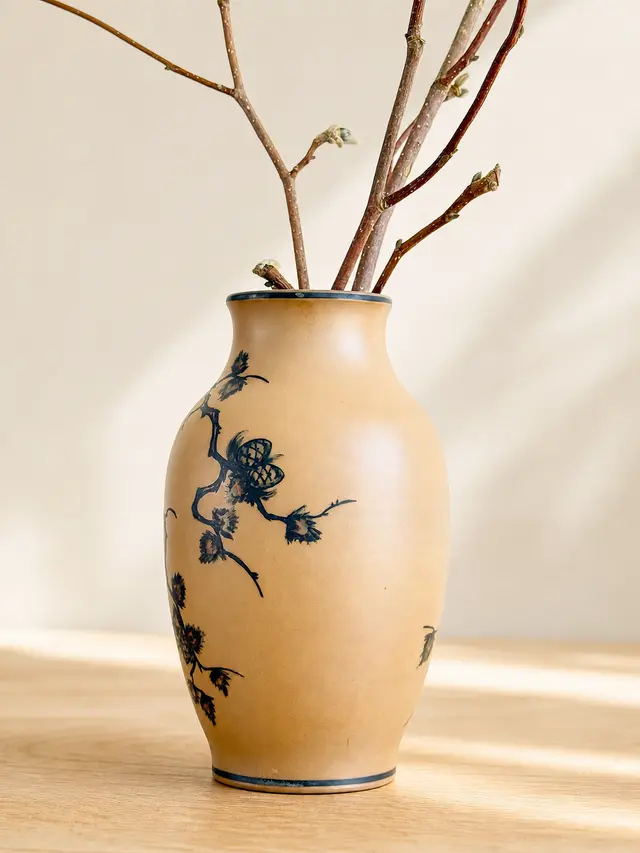
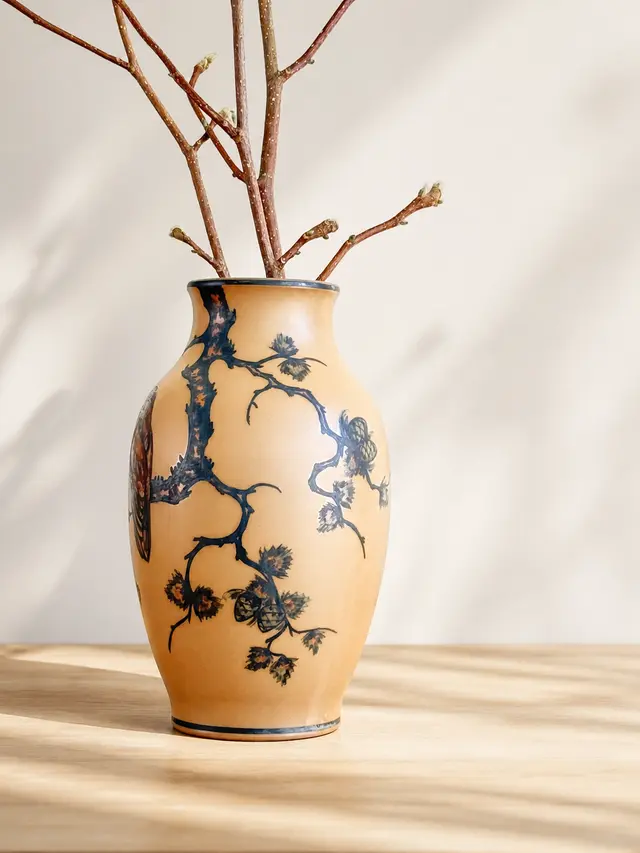
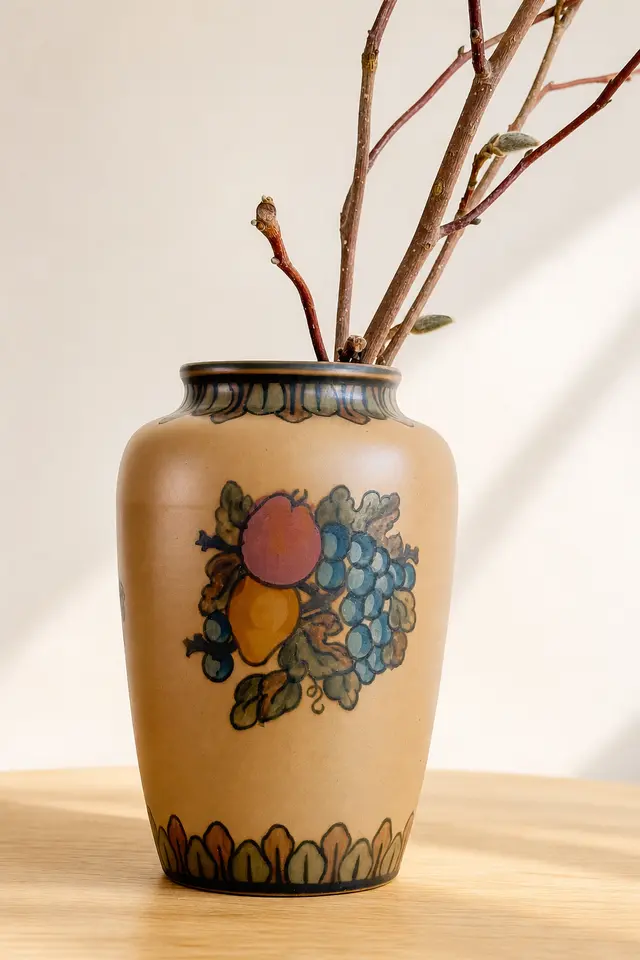
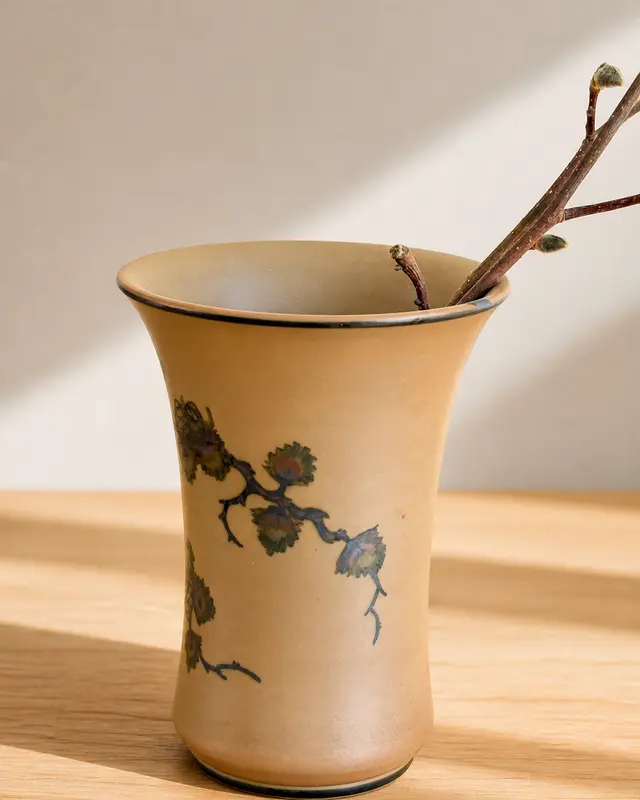
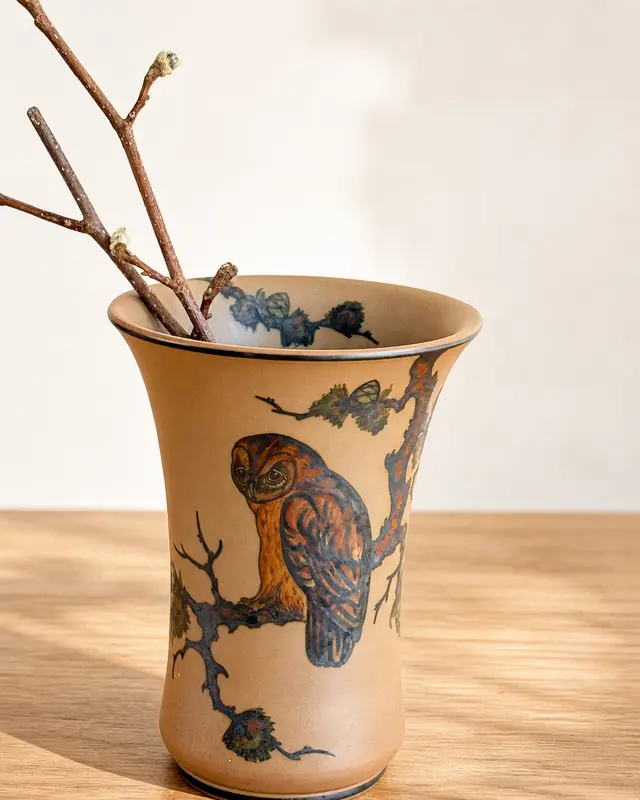
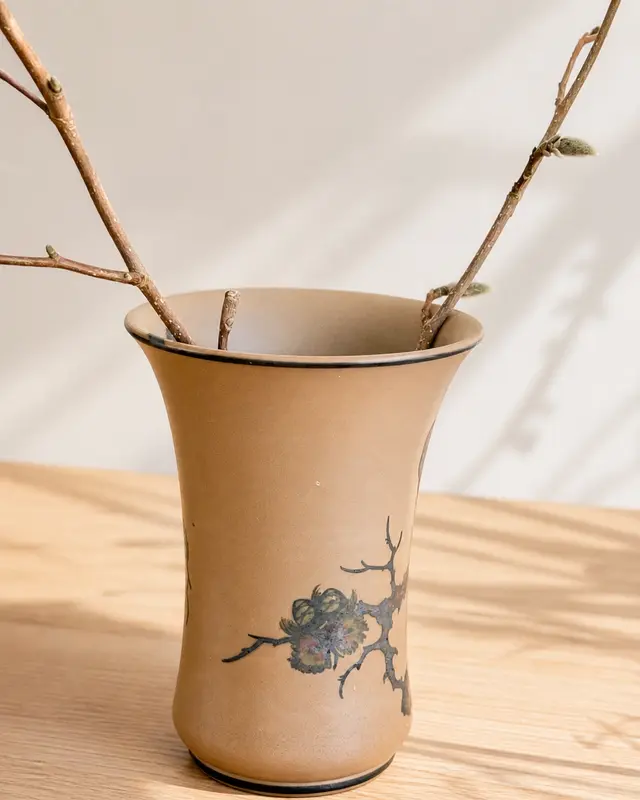
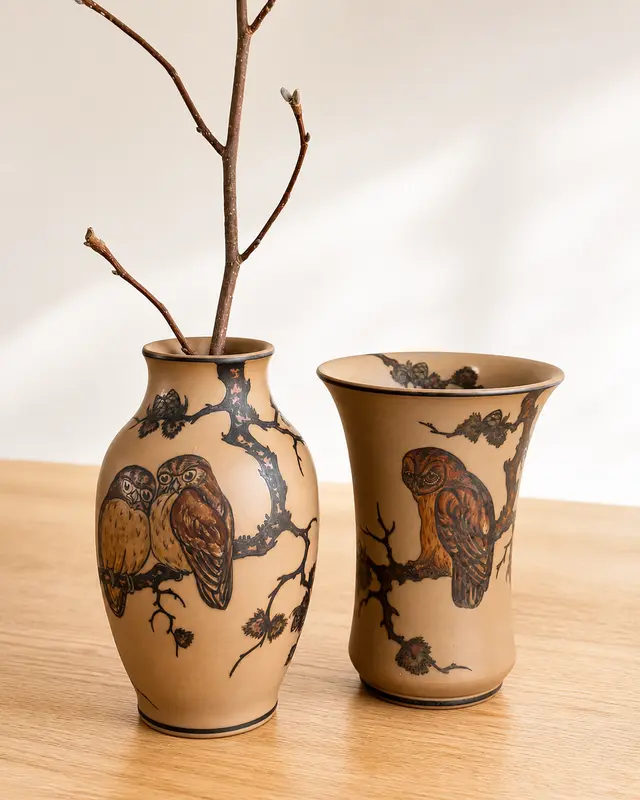
- A vase that will be beautiful even without flowers
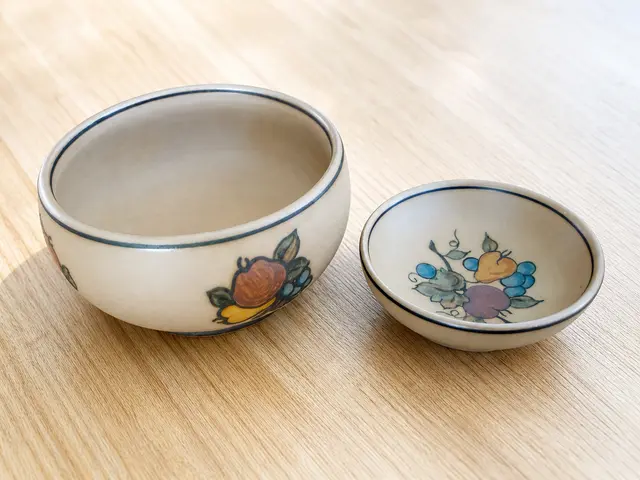
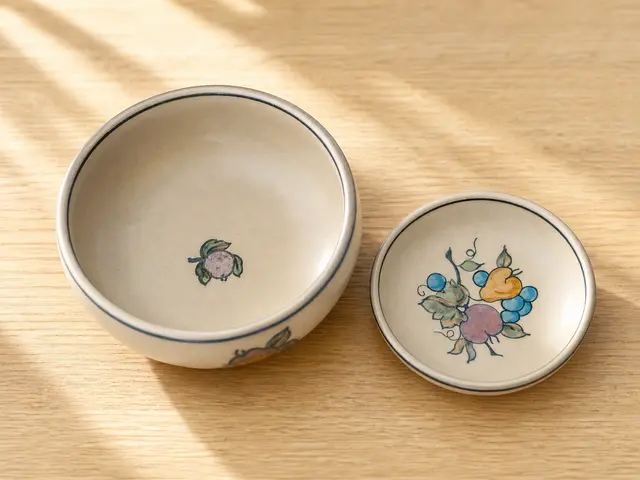
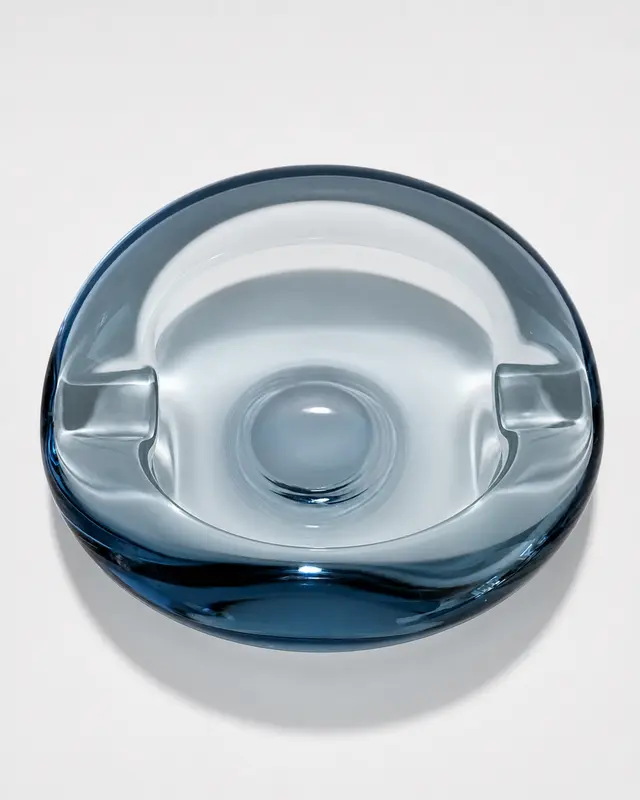
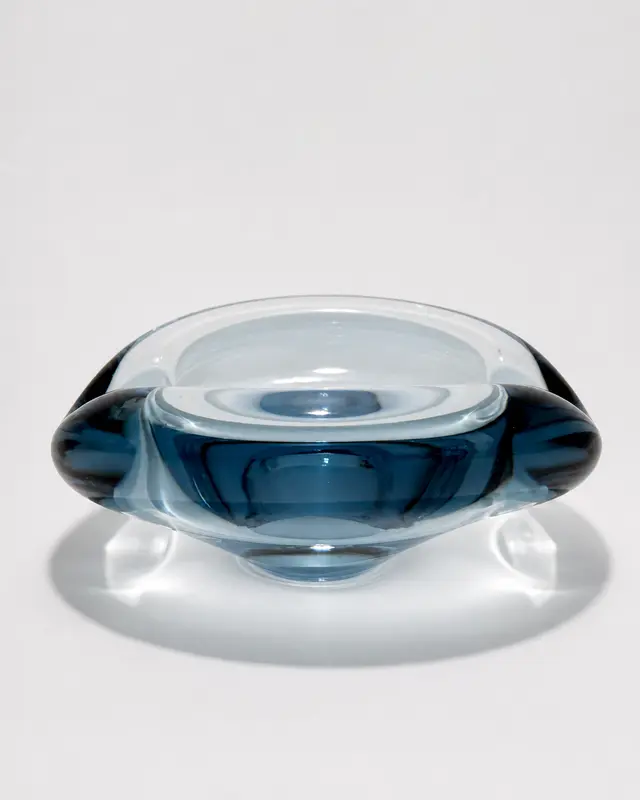
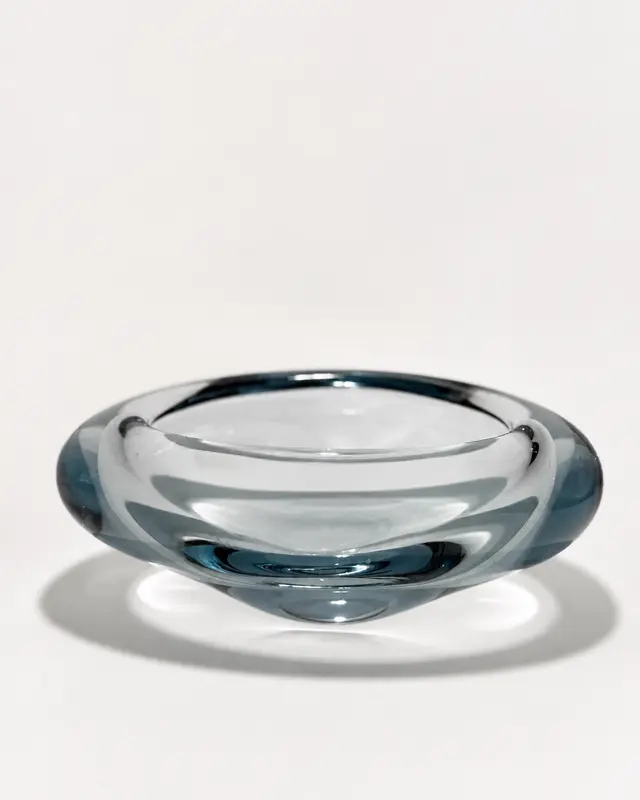
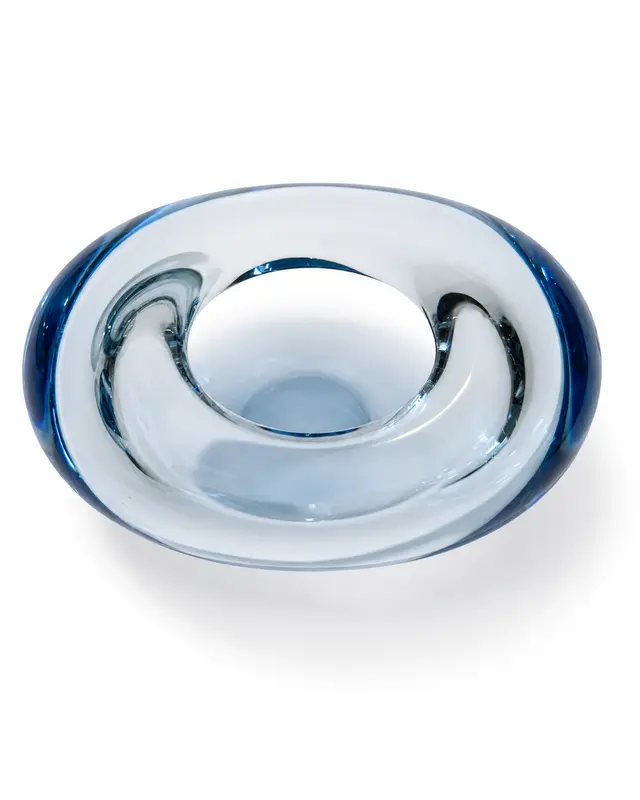
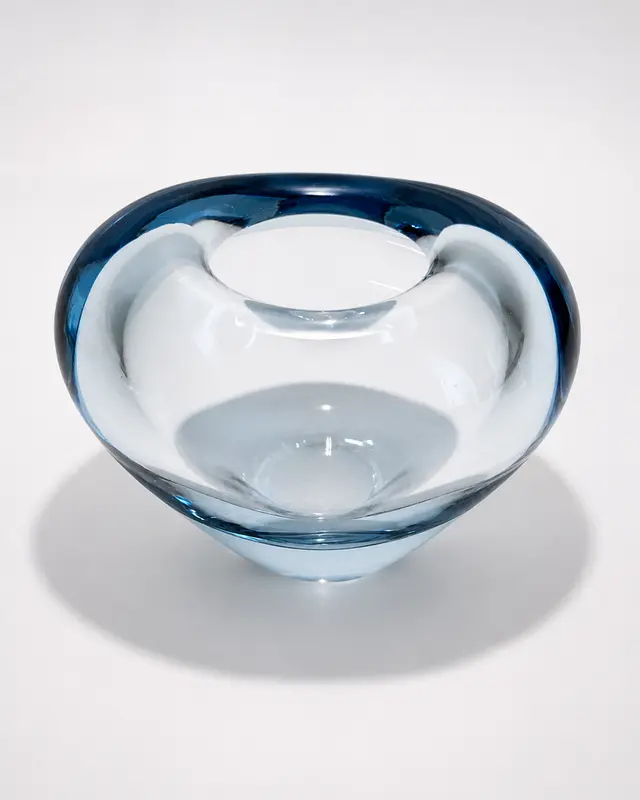
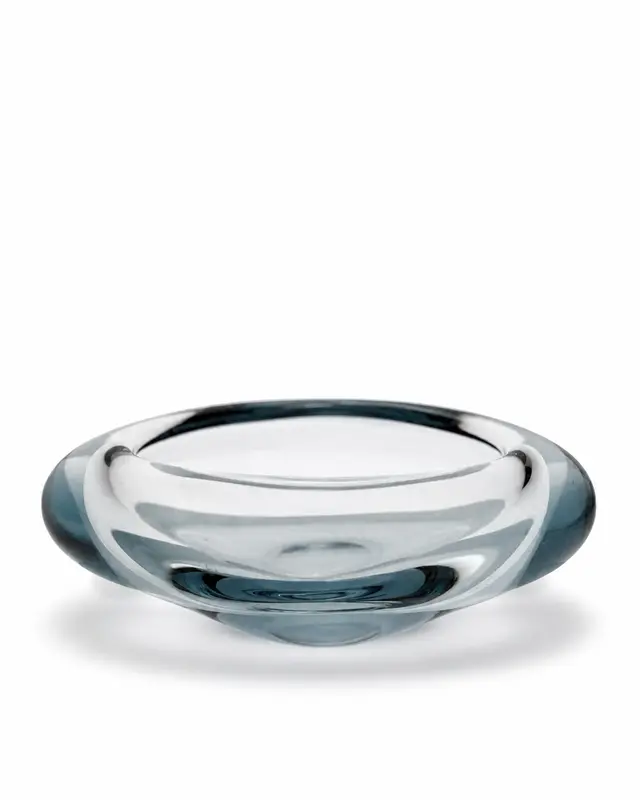
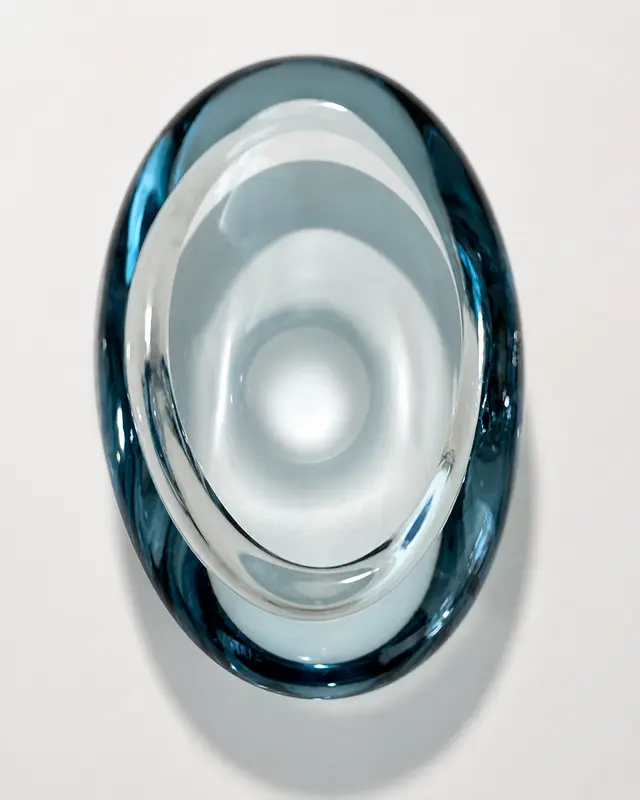
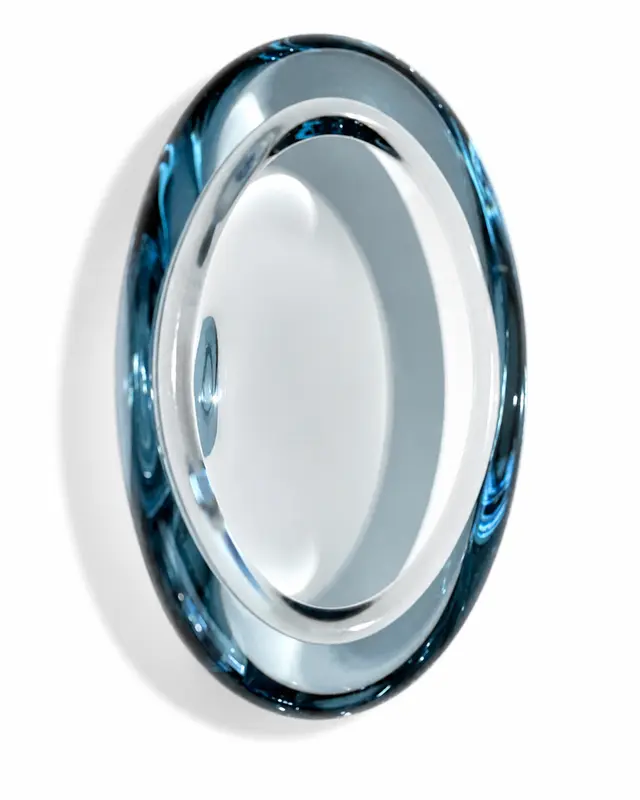
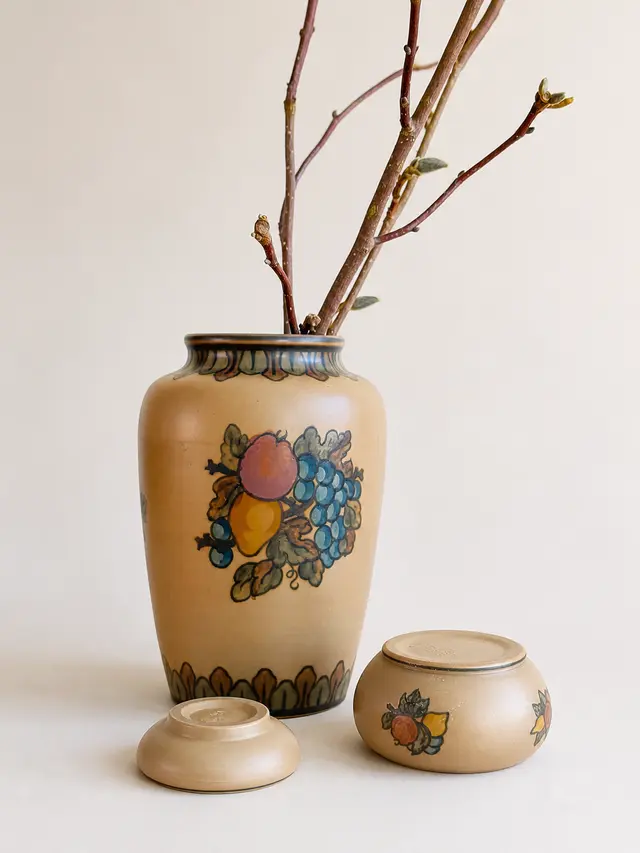
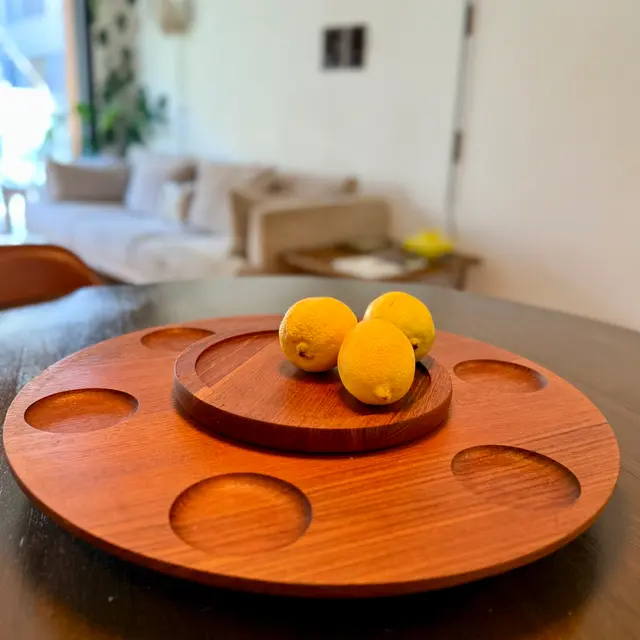
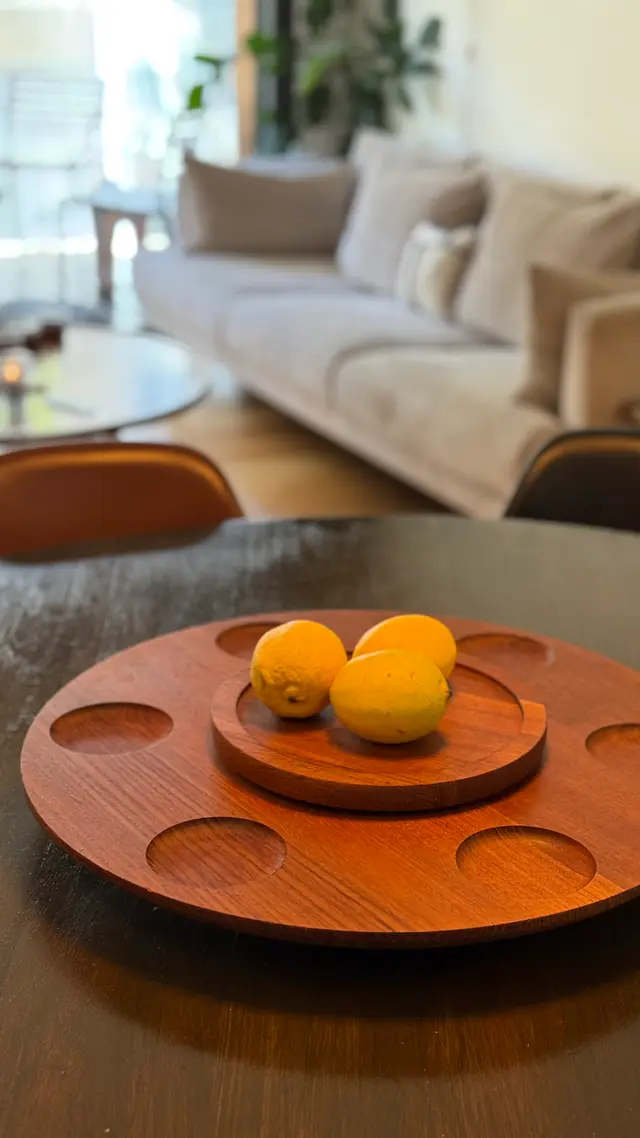
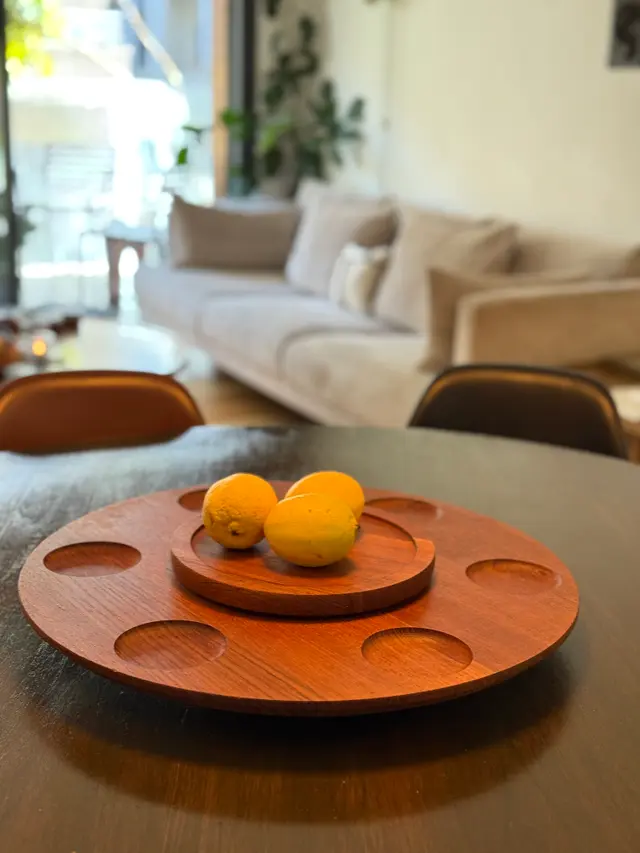
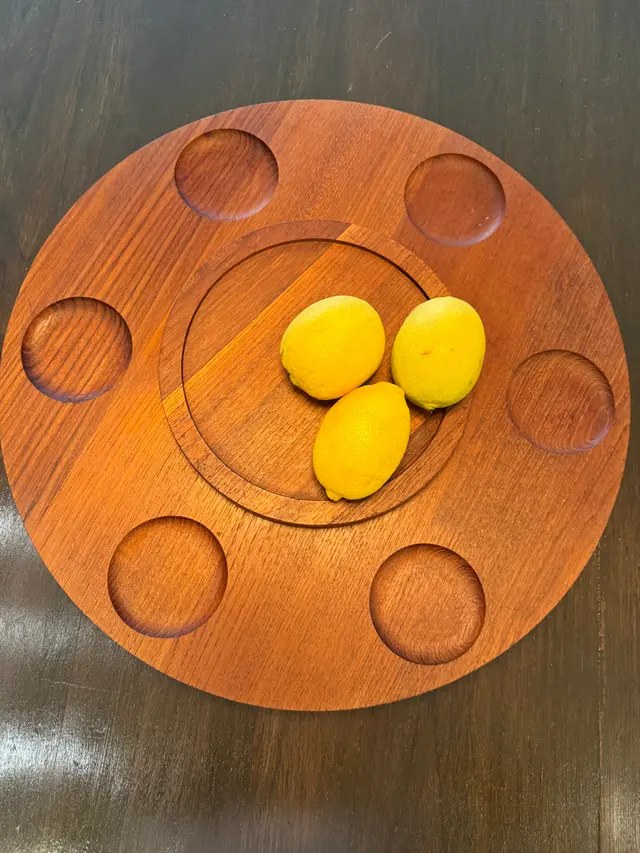
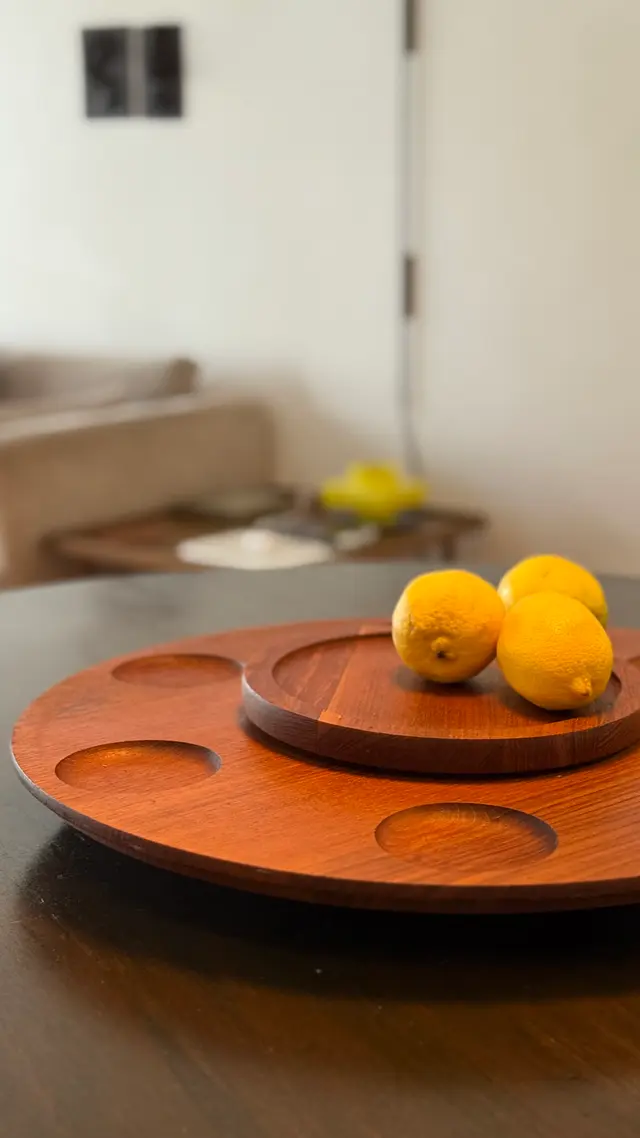
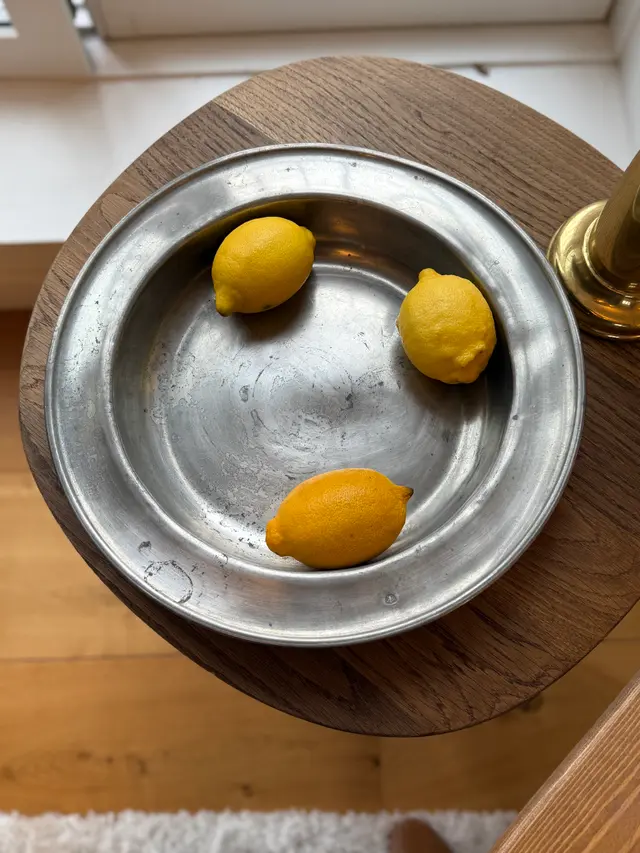
- A bowl that will bring colour or material to an empty surface
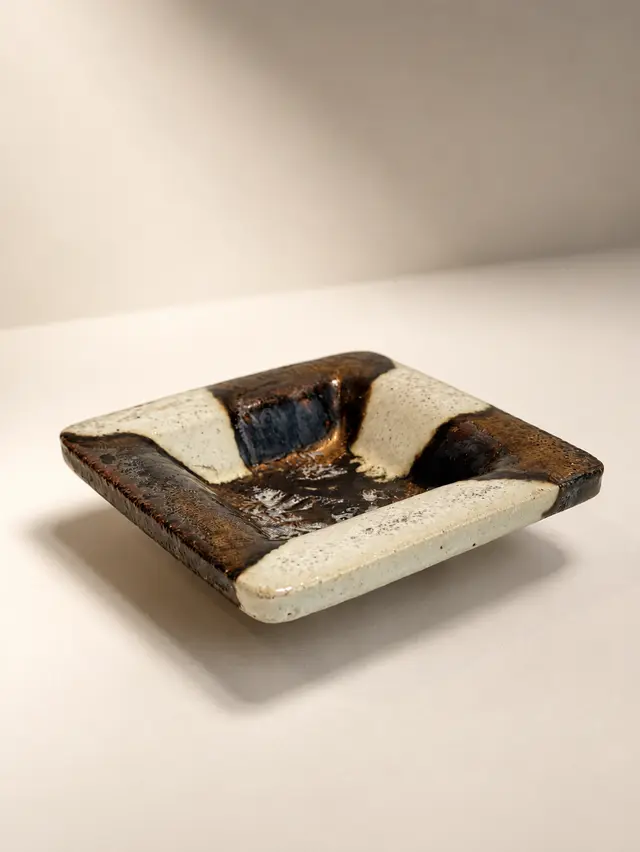
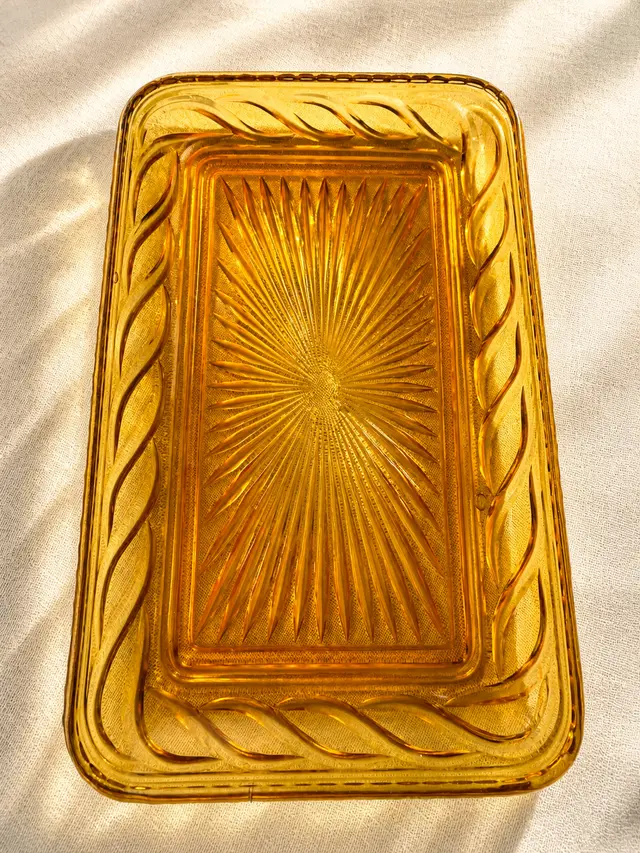
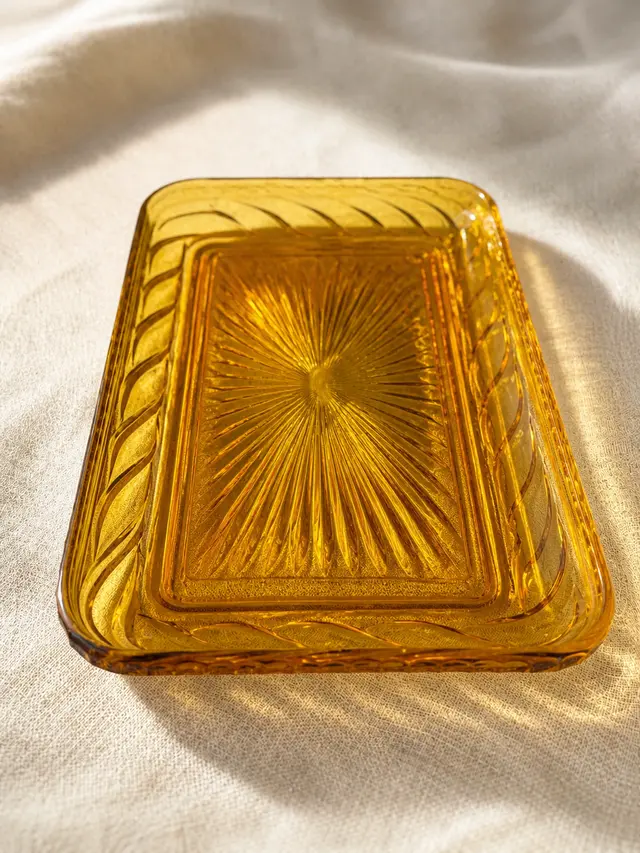
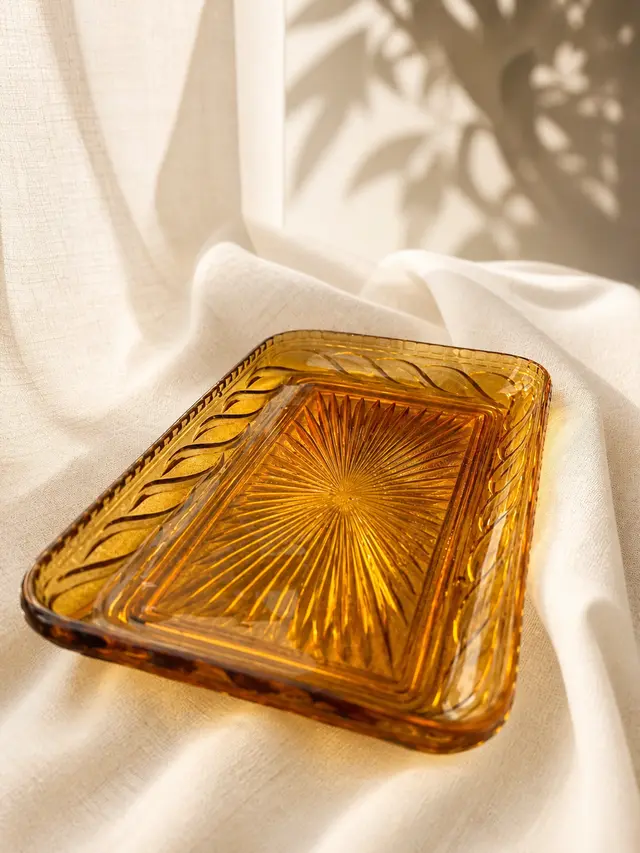
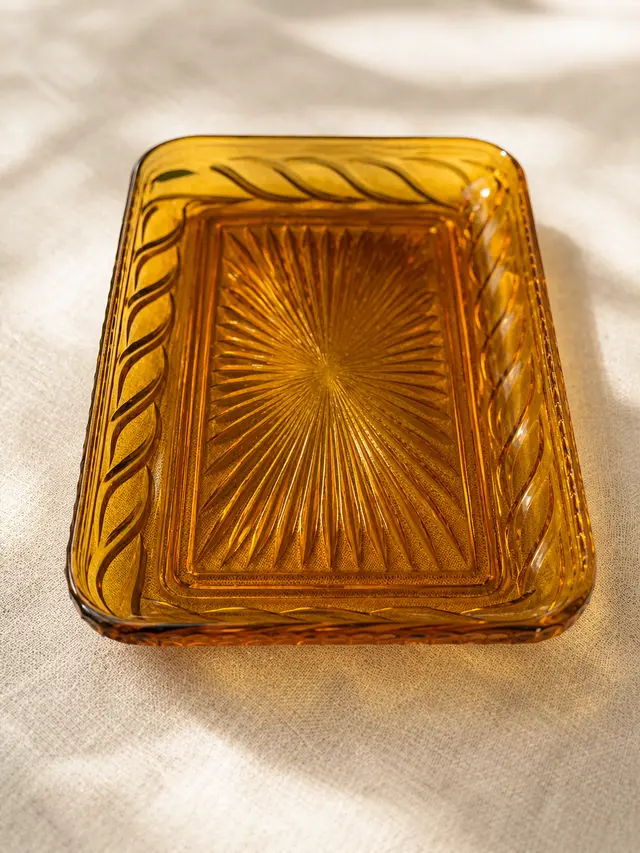
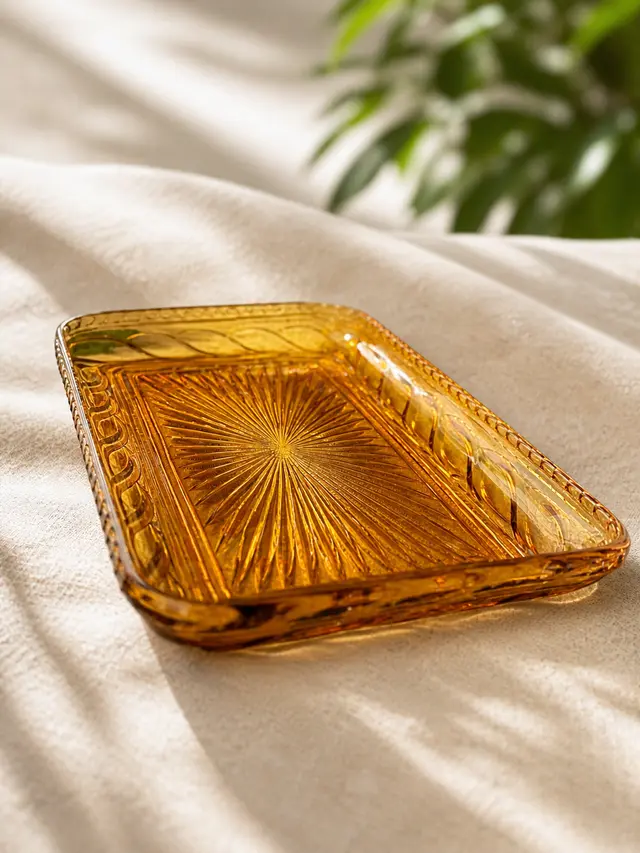
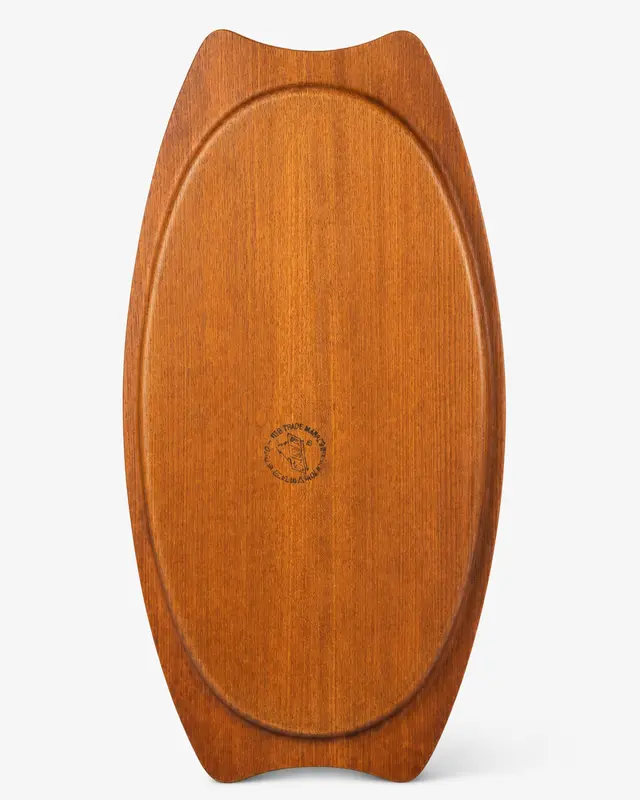
- A tray that will gather small objects into one group
- A ceramic piece that will soften a smooth modern room
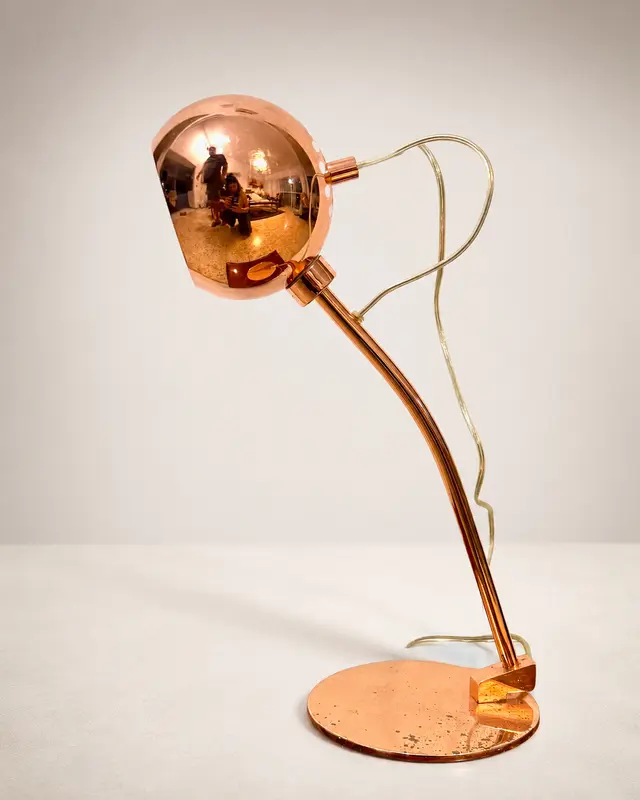
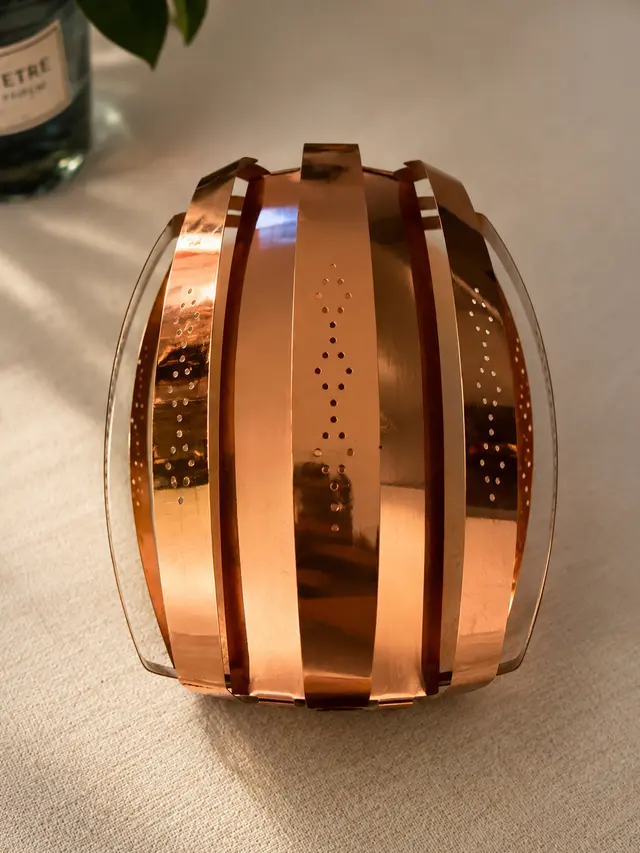
- A brass object that will bring reflection and a warm tone
One piece chosen well can teach you more about your taste than ten objects bought to fill a space.
Do you have to choose one period?
No. There is no need to decide that the whole house will be 1950s, 1960s, or 1970s. Even in good Danish homes you see furniture and objects from different periods, including antiques, mid-century classics, and contemporary design.
Instead of choosing a period, you can choose a link.
The link can be a material that returns in the room, such as brass, dark wood, or coloured glass. It can be a family of colours, round or geometric lines, or even a feeling that is hard to name in one word. Two objects do not have to be from the same year to look as if they know how to live together.
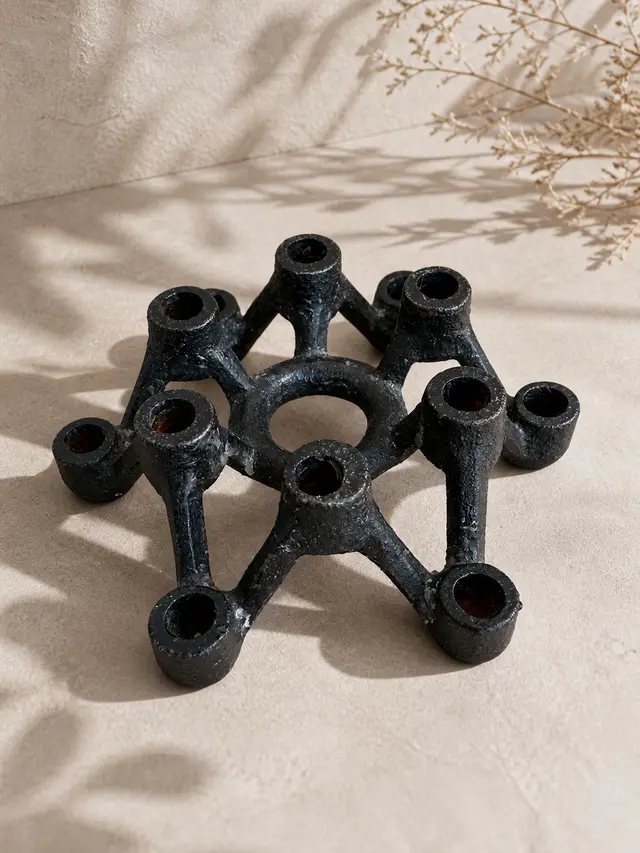
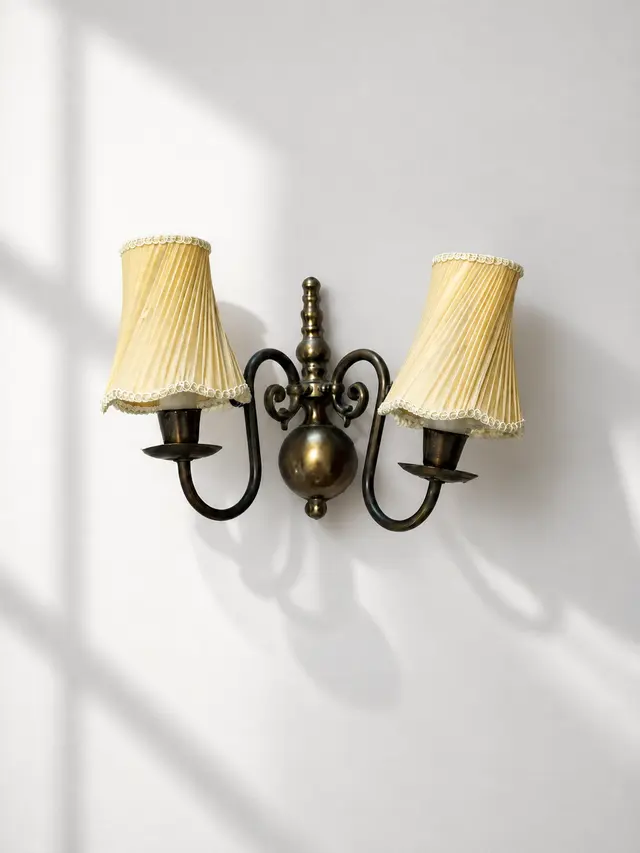
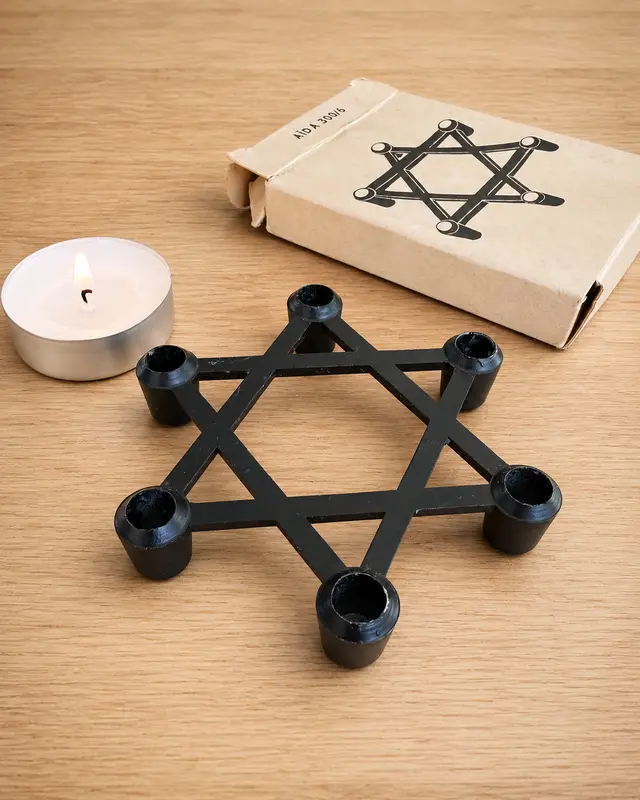
For example, a 1970s metal lamp can fit a new table if its tone returns in a picture frame. A rough ceramic vase can sit in a modern kitchen if it brings contrast to the smooth surfaces. A twisted candle holder can stand in a minimal room precisely because the other lines there are straight.
How do you connect objects without making everything match?
A full match is not the aim, but a little repetition helps the eye understand the room.
Try repeating one of the following:
Material
A brass candle holder on one side of the room can answer a small detail in a lamp, a handle, or a frame on the other. The metals do not all have to be the exact same tone.
Colour
The colour of a vase can return in a cushion, a book, or a small detail in a painting. The echo can be very quiet.
Form
If the furniture in the room is square and straight, round objects can soften it. If the room is full of organic shapes, one geometric object can add order.
Height
A group of objects looks more natural when the heights differ. A vase, a low candle holder, and a bowl make a more interesting composition than three pieces at the same height.
Feeling
Sometimes the connection is not only visual. Several objects can share a similar quality: all a little humorous, heavy and material, delicate, or sculptural.
How many vintage pieces should you put in a room?
There is no right ratio of new to old. There is no rule that twenty percent of the room should be vintage, or that every surface needs an old object.
In one room, one lamp can be enough. In another, a few small objects will work better than a central piece of furniture. What matters is that each piece has a place and a job.
Start with one object that has presence. Live with it for a while. See how it looks in the morning and in the evening, what happens around it, and what it makes you want to change. Sometimes a good vintage piece does not ask you to buy more; it makes you take something out of the room that is no longer needed.
The best way to avoid clutter is not to set an arbitrary number, but to leave space between things. A personal house does not have to be full.
How do you mix vintage into the living room?
The living room is a good place to start because it holds several kinds of activity and several points of view.
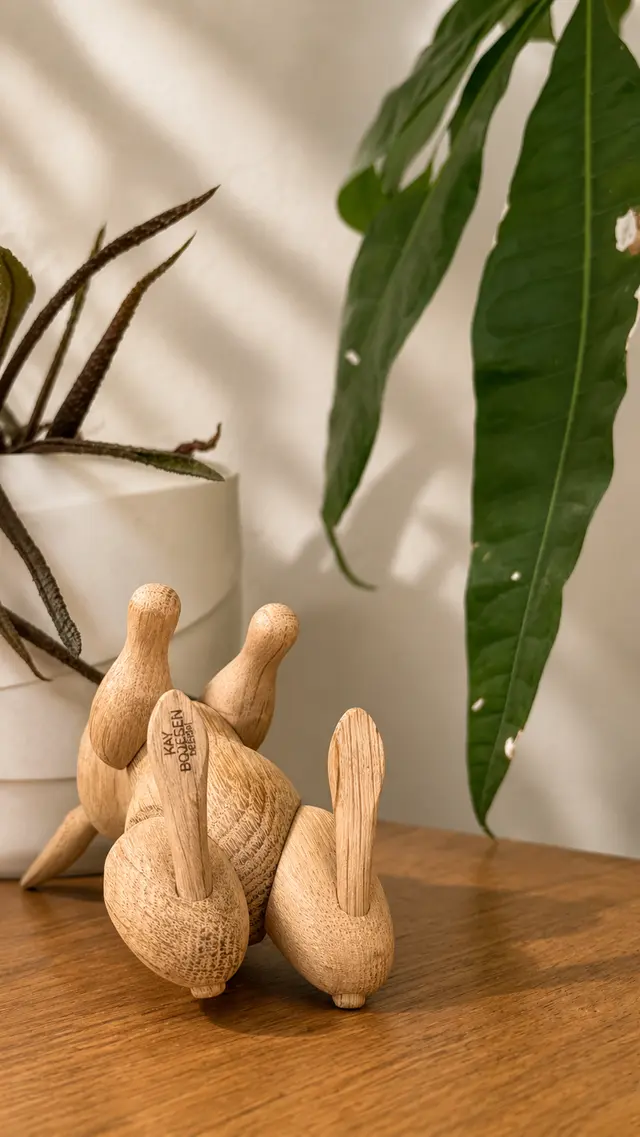
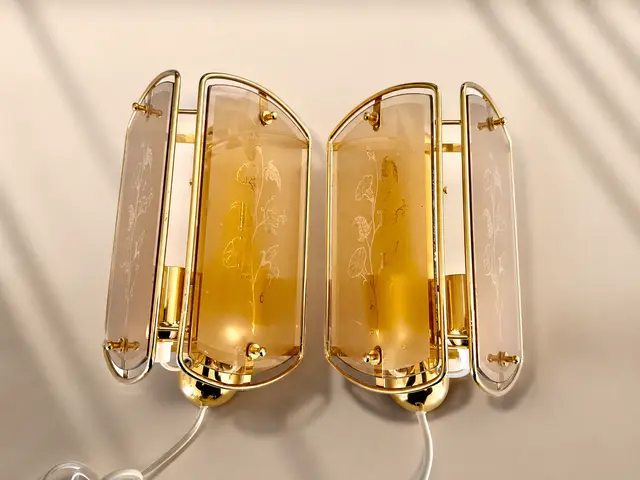
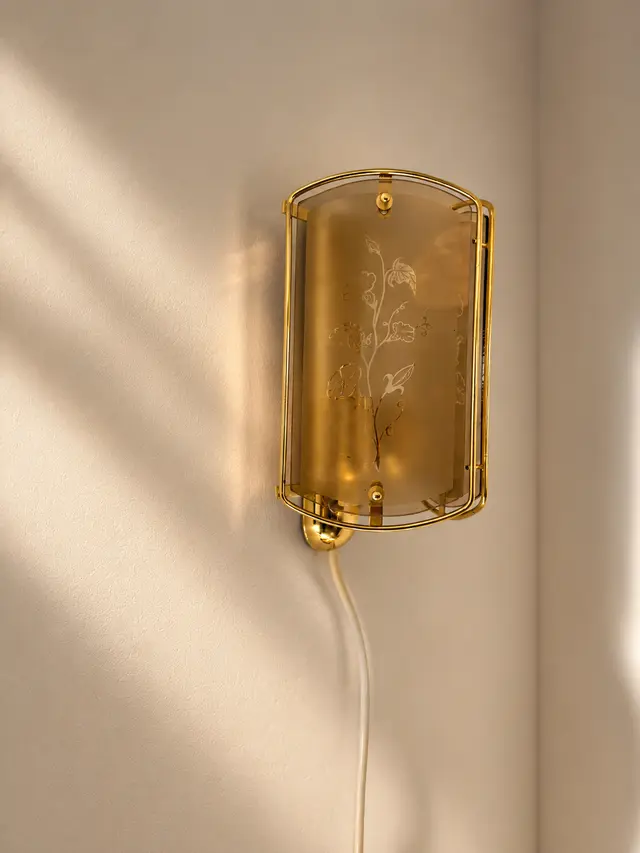
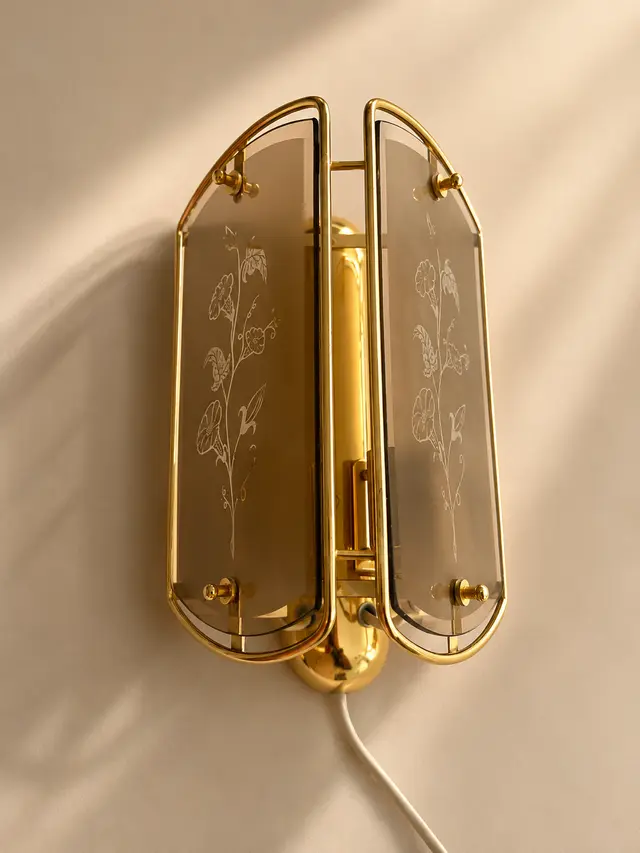
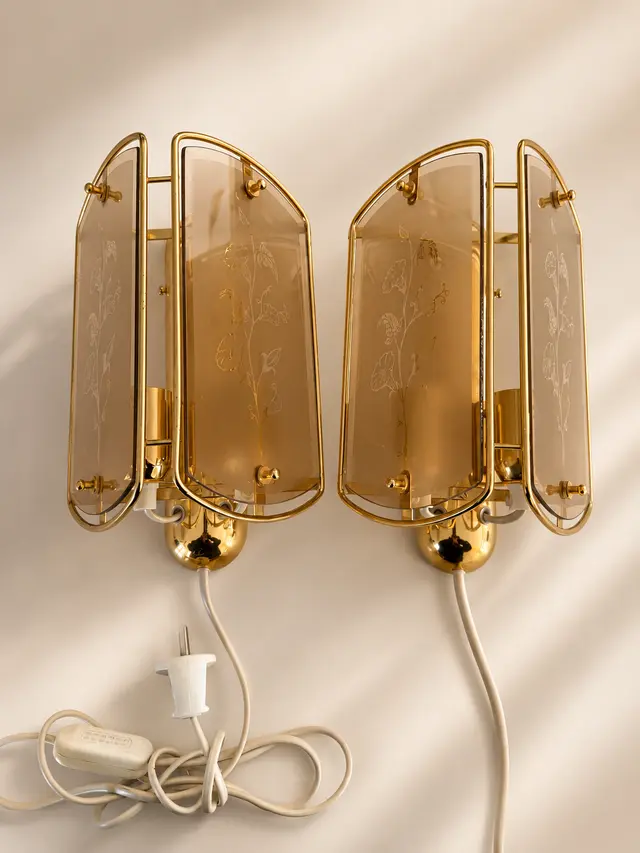
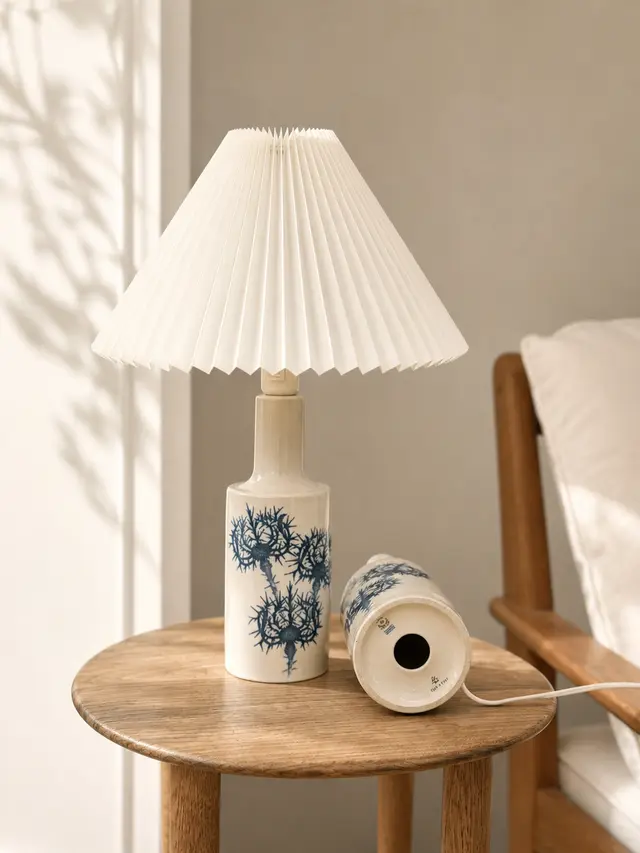
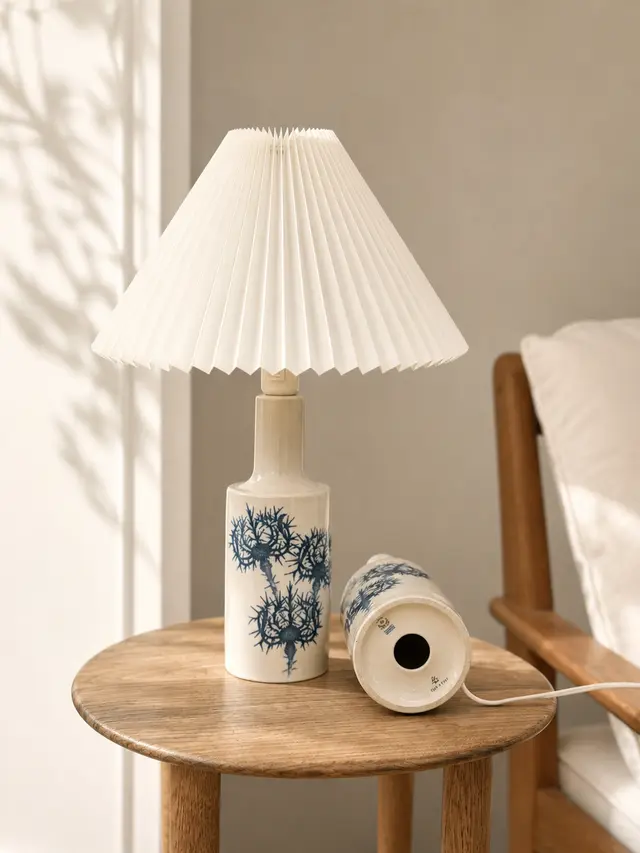
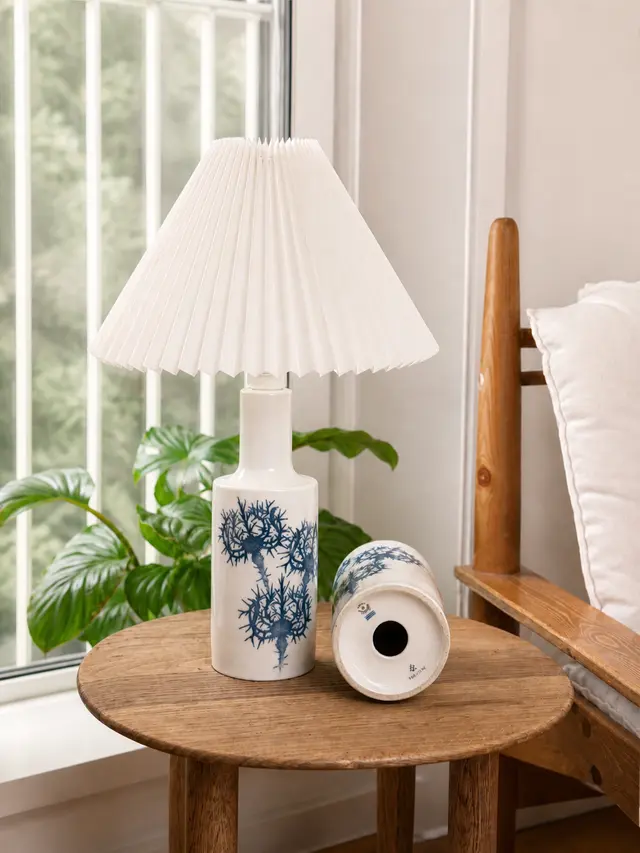
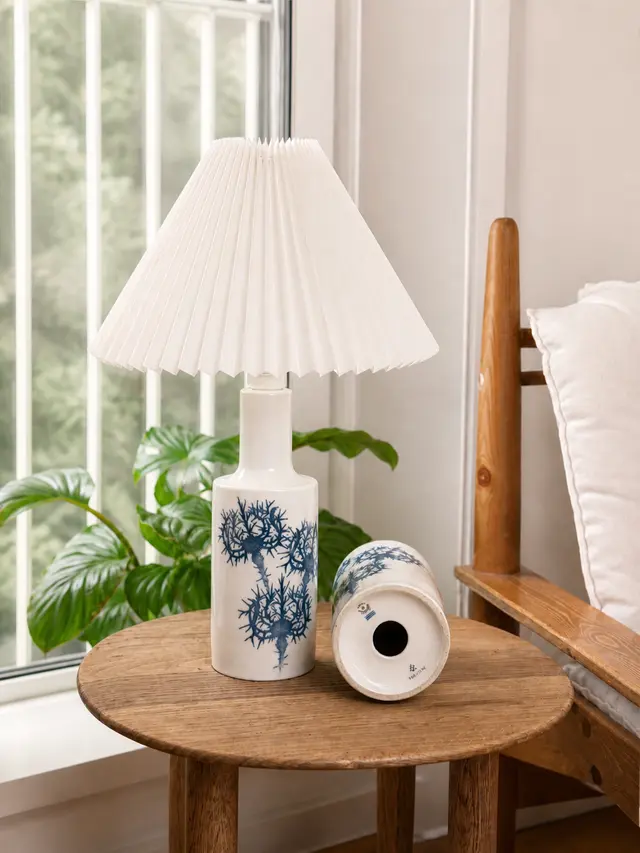
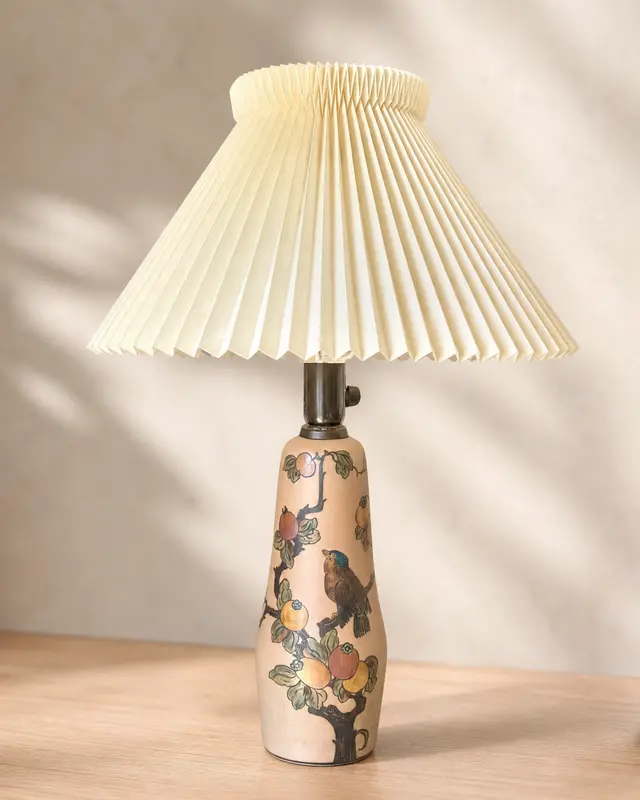
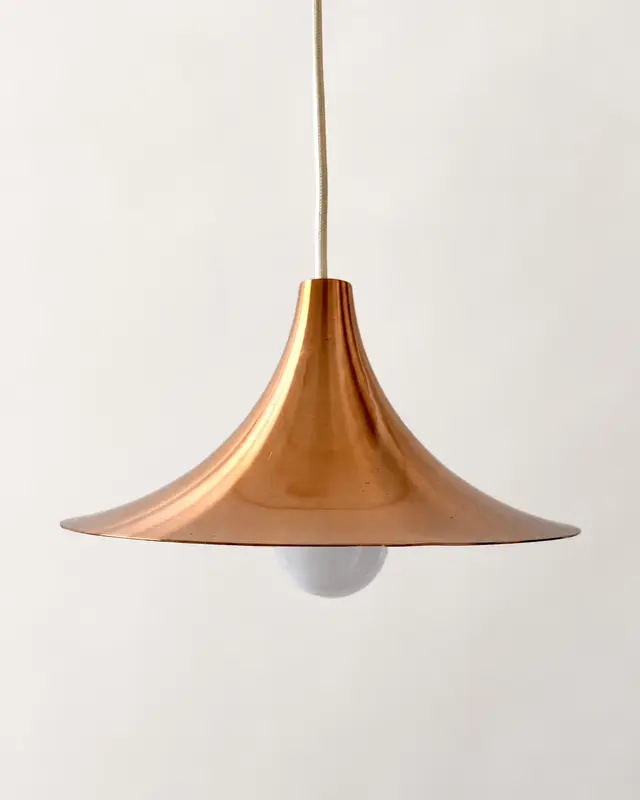
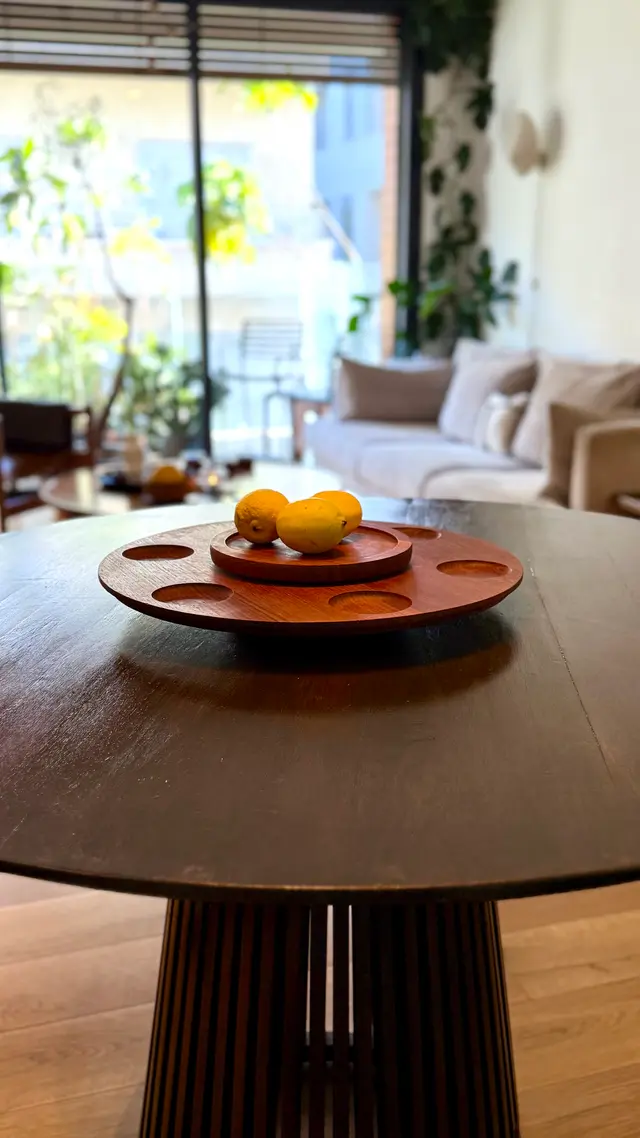
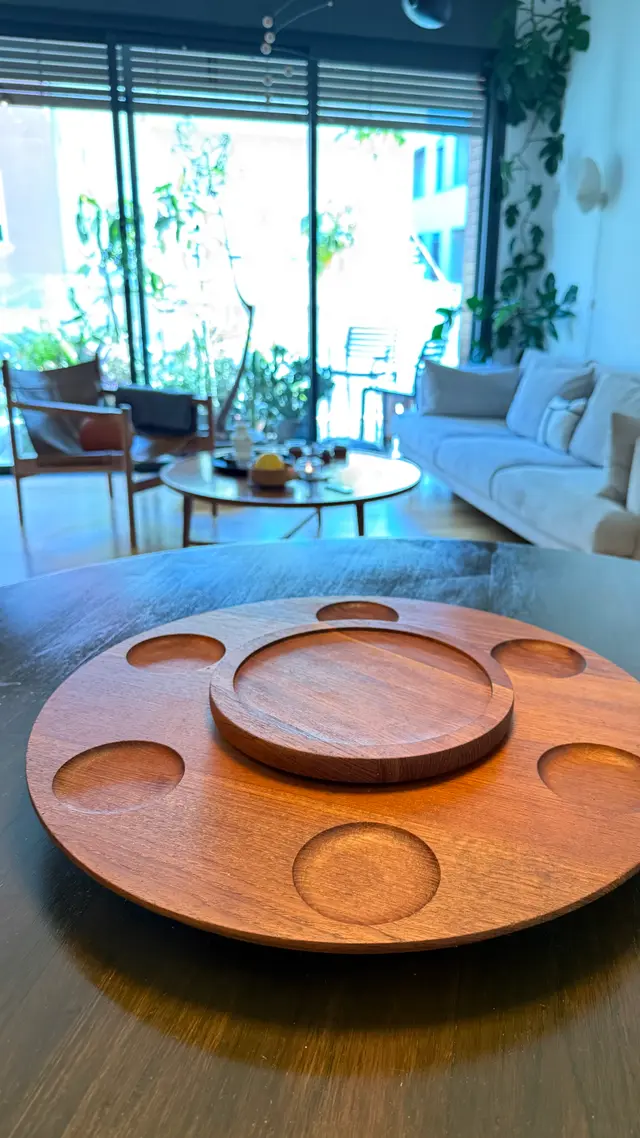
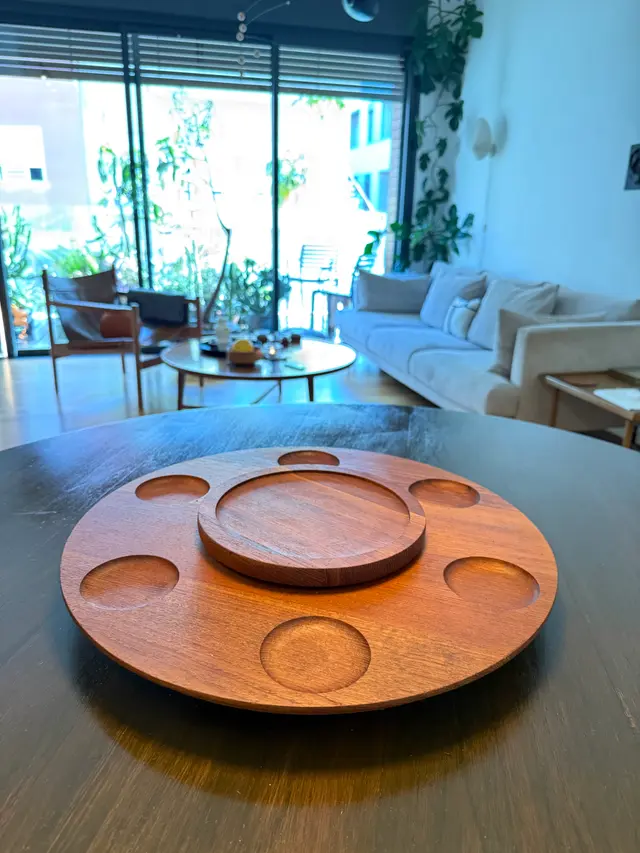
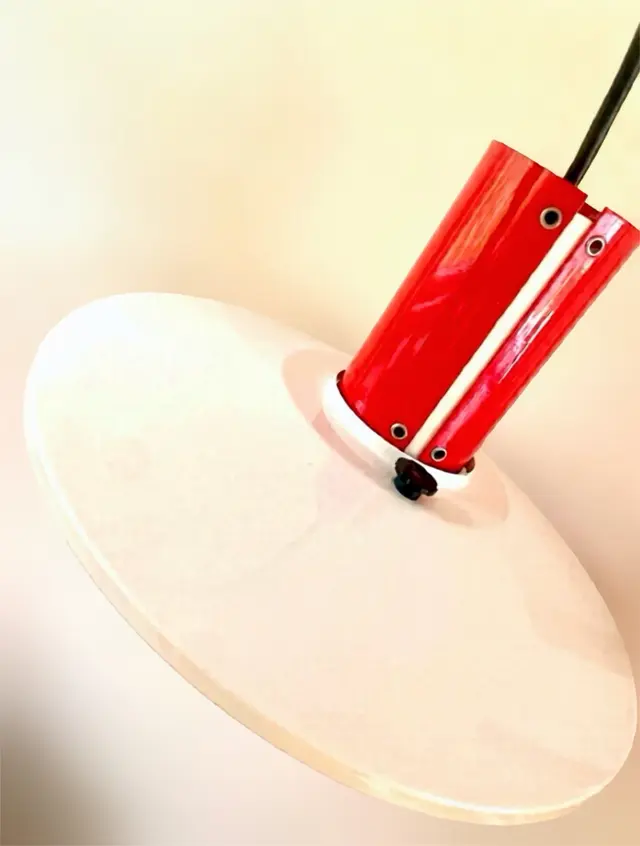
A vintage lamp can make a focus beside the sofa or armchair. Candle holders can change the coffee table in the evening. A large bowl can stand alone on a table or chest, instead of scattering many small ornaments. A vase can bring height and colour, even without flowers.
Choose one or two focuses. If the lamp is the strong piece in the room, the objects around it do not all need to compete with it. If you have a group of coloured glass, let them appear as a group and let the other pieces stay quiet.
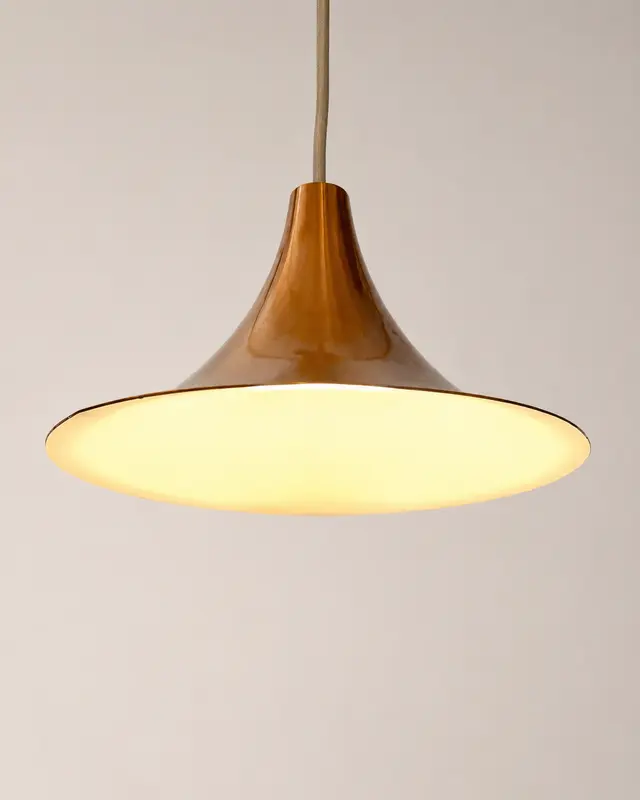
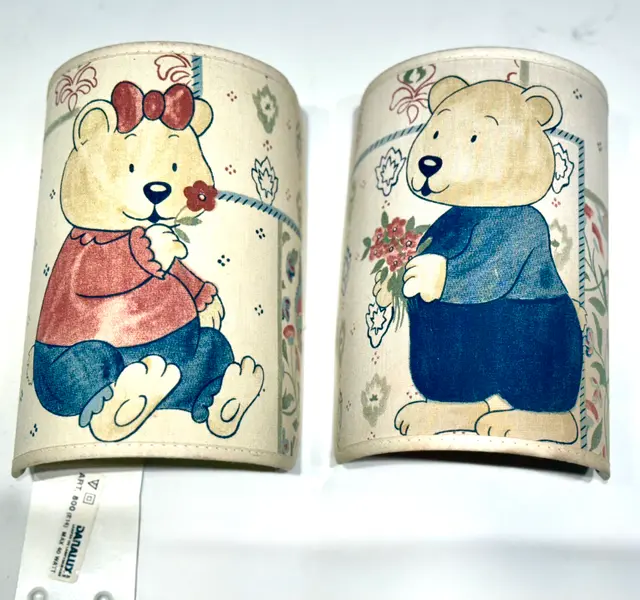
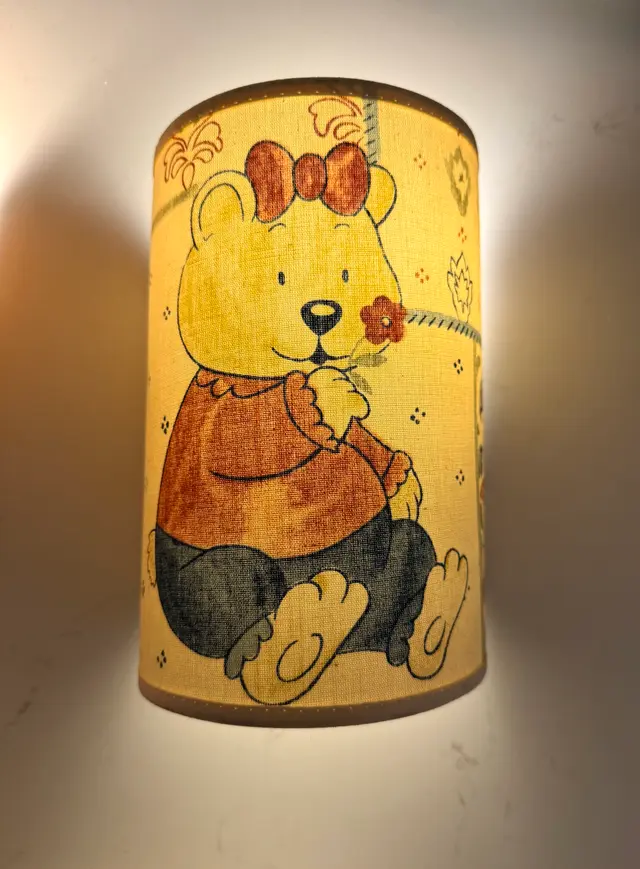
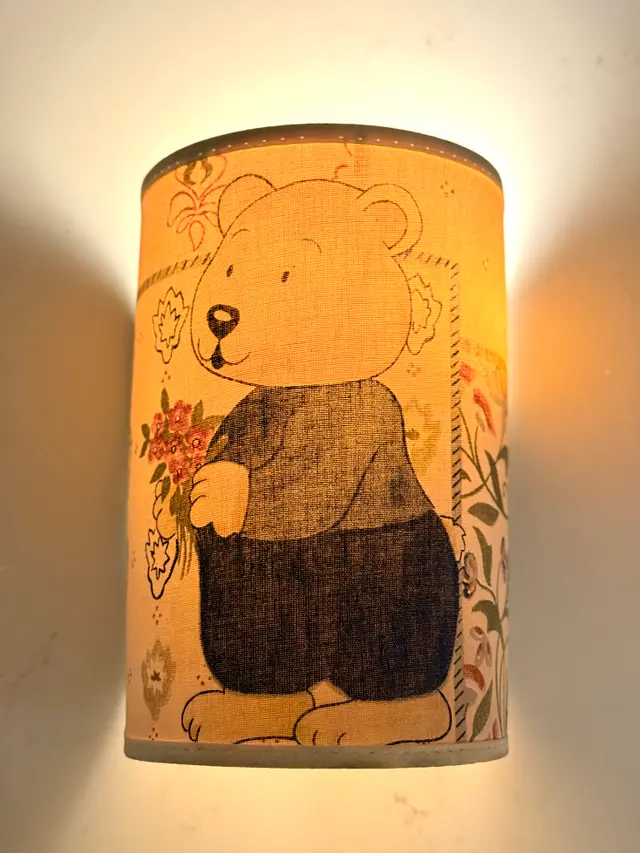
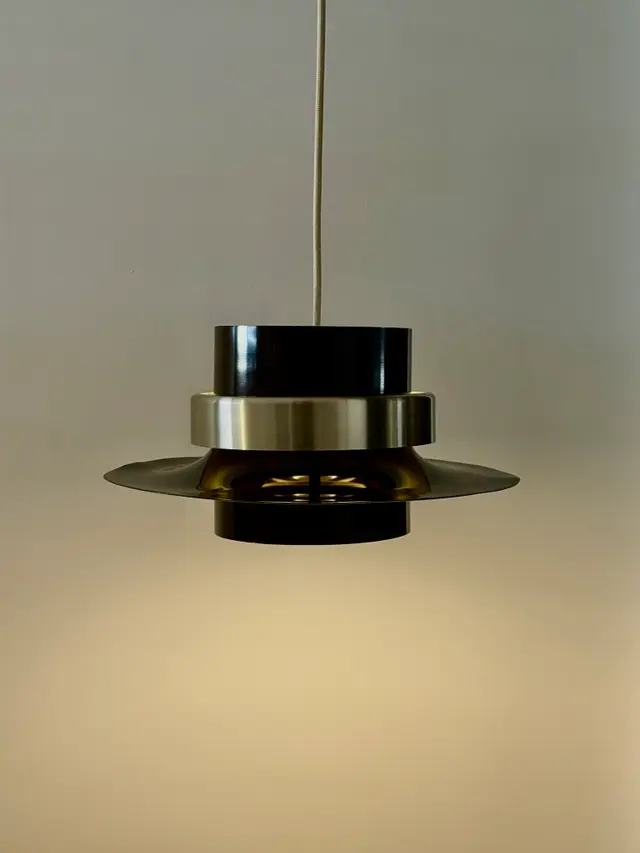
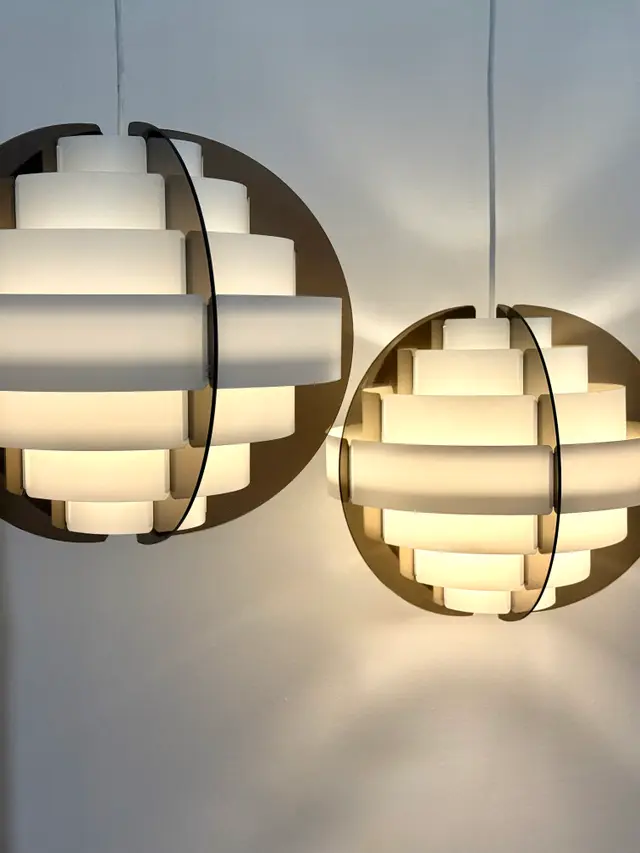
Pay attention to the lighting too. A vintage object that looks beautiful in daylight can vanish in the evening. Sometimes a small lamp or a nearby source of light reveals its texture, colour, and shadows.
How do you mix vintage into the dining area?
The dining area is especially good for vintage because objects on the table take part in the action; they are not only on display.
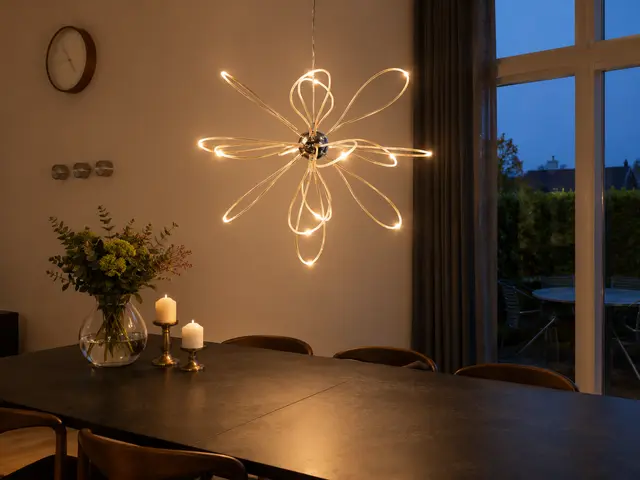
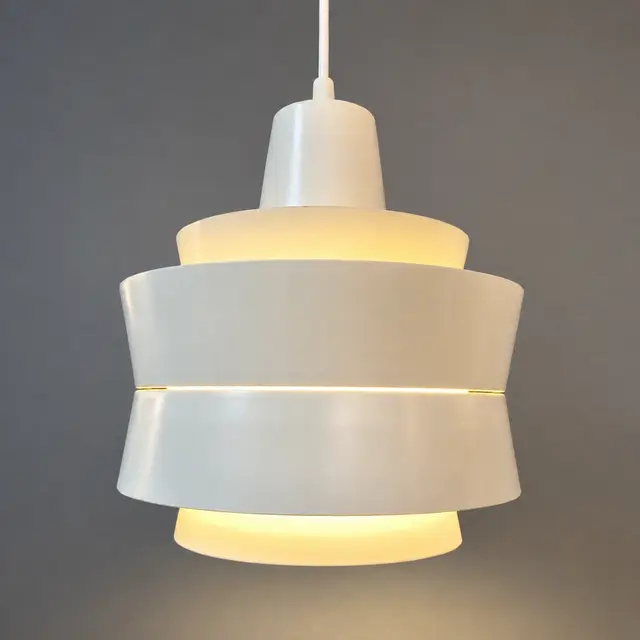
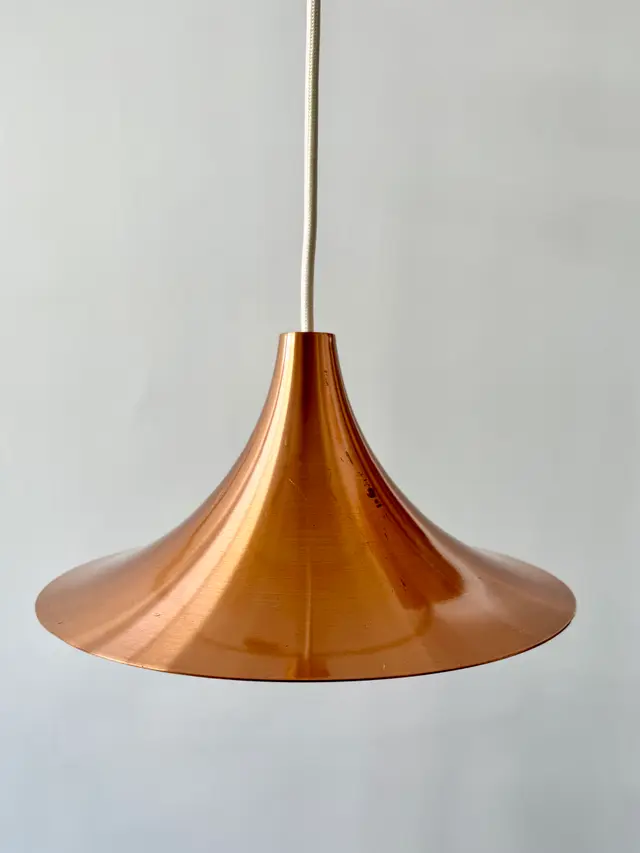
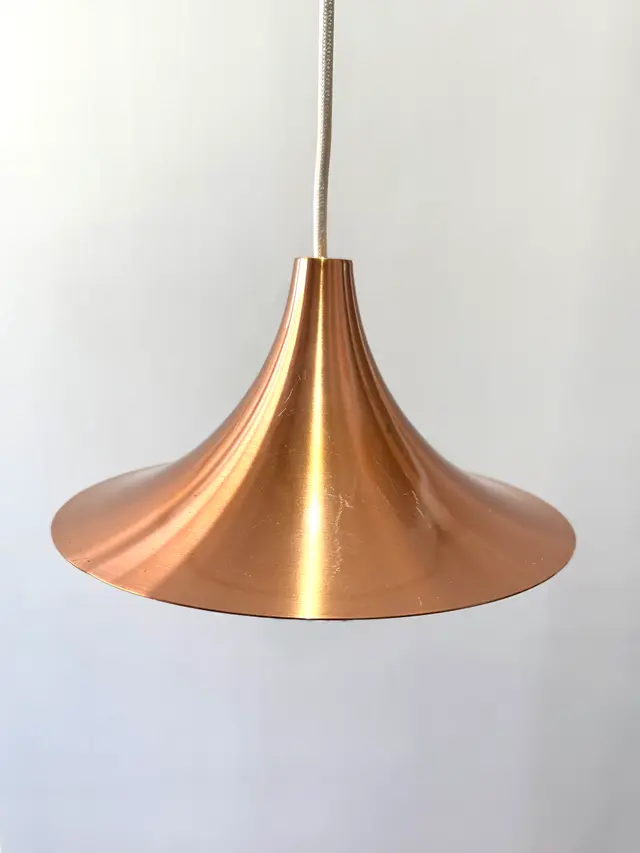
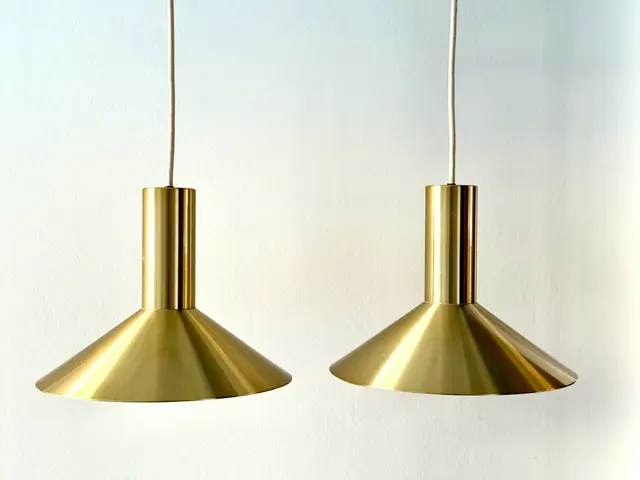
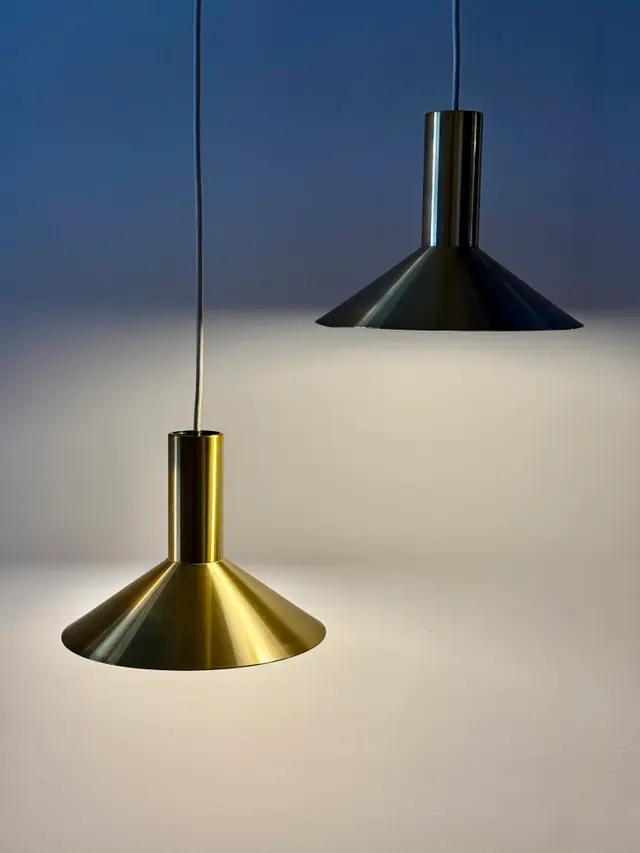
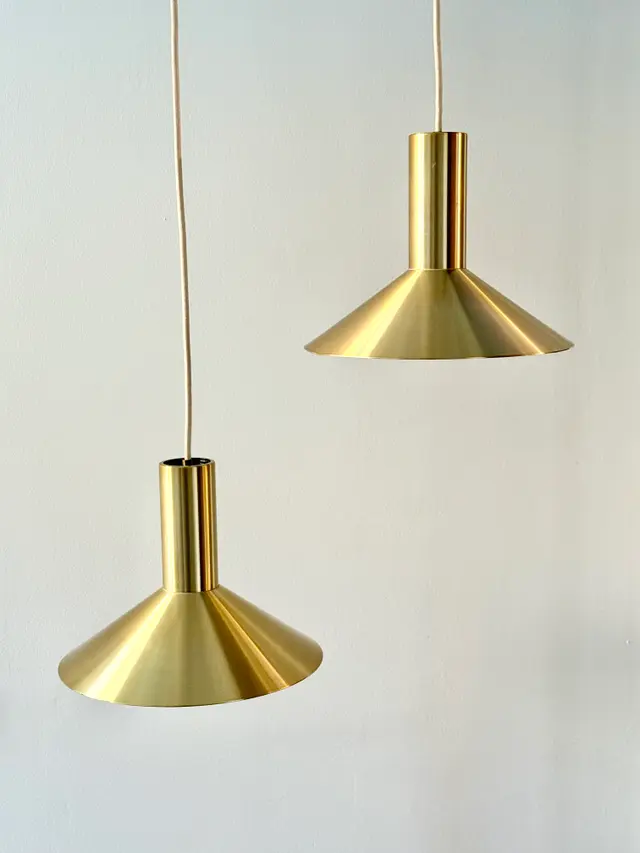
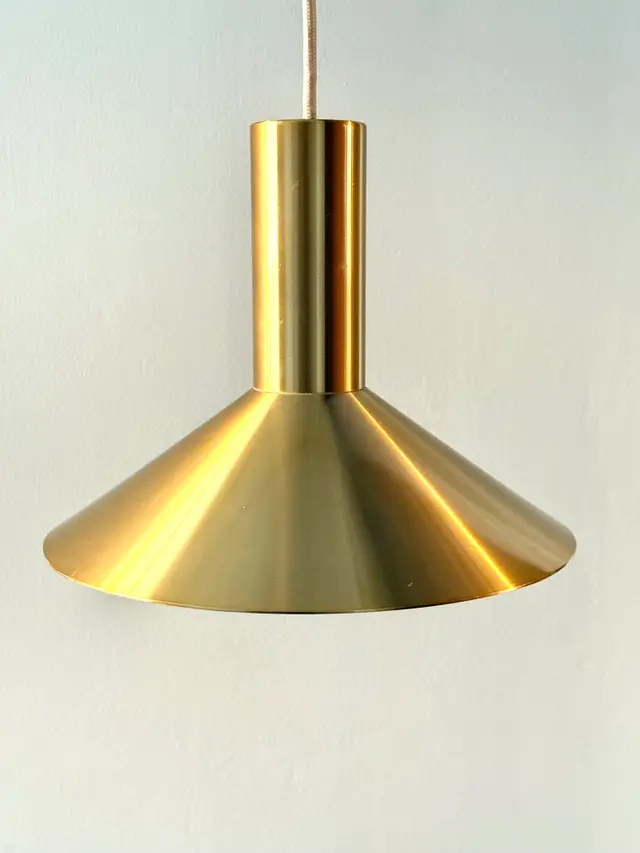
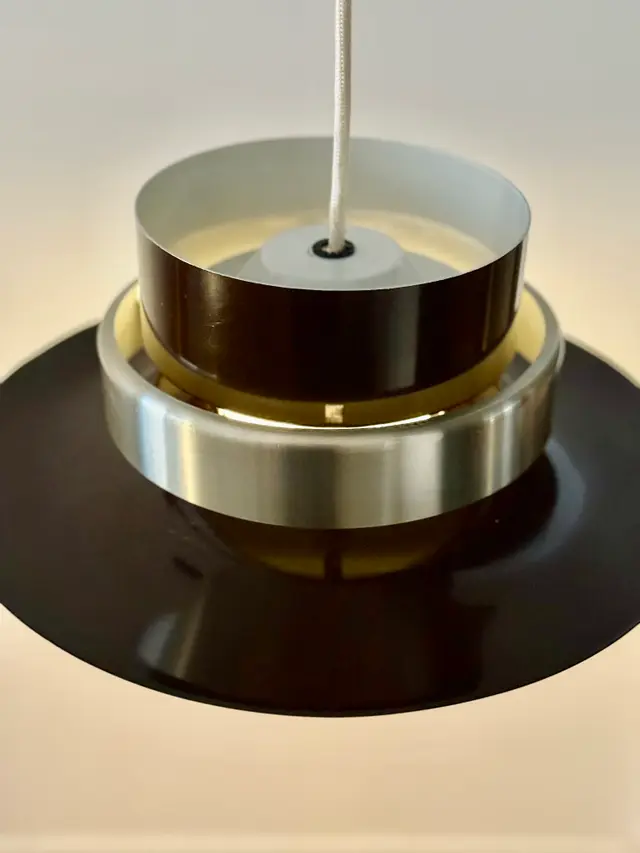
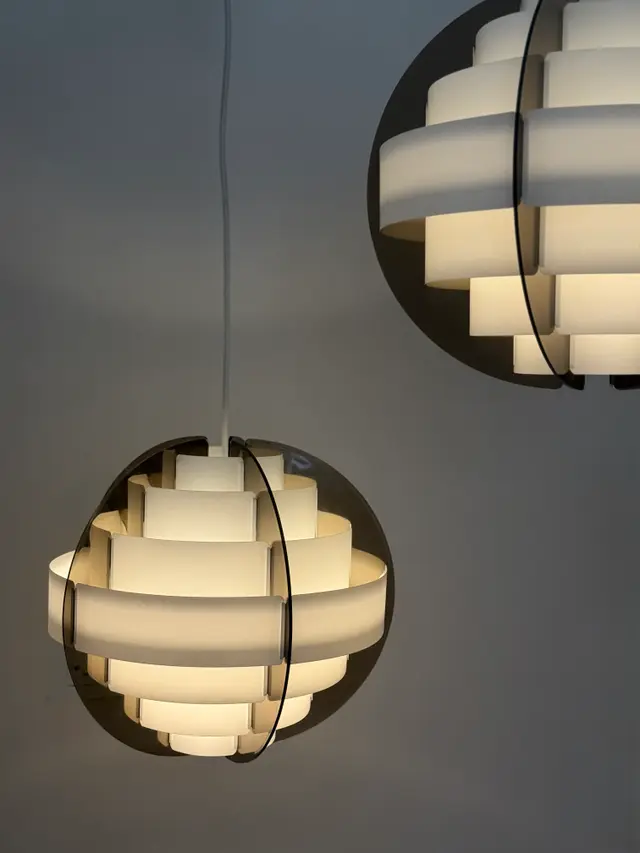
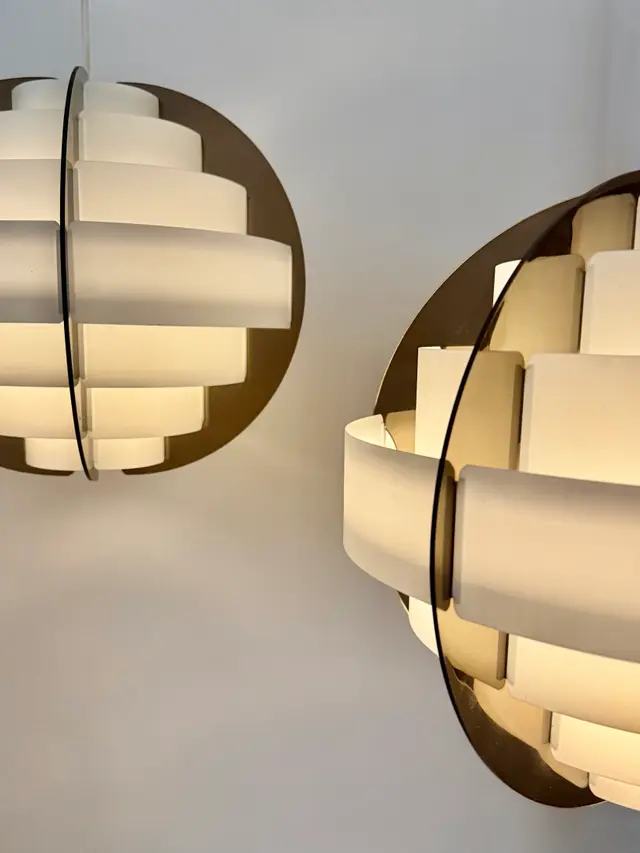
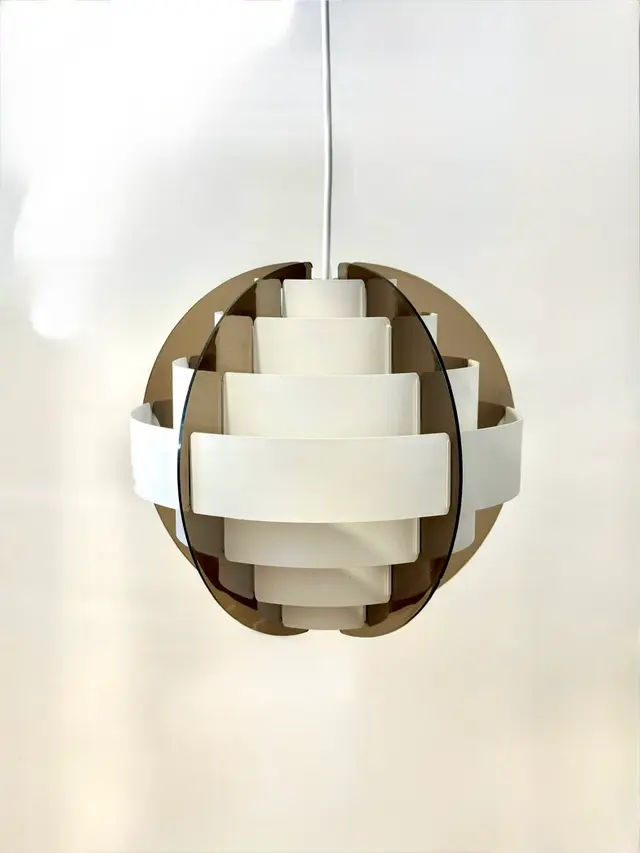
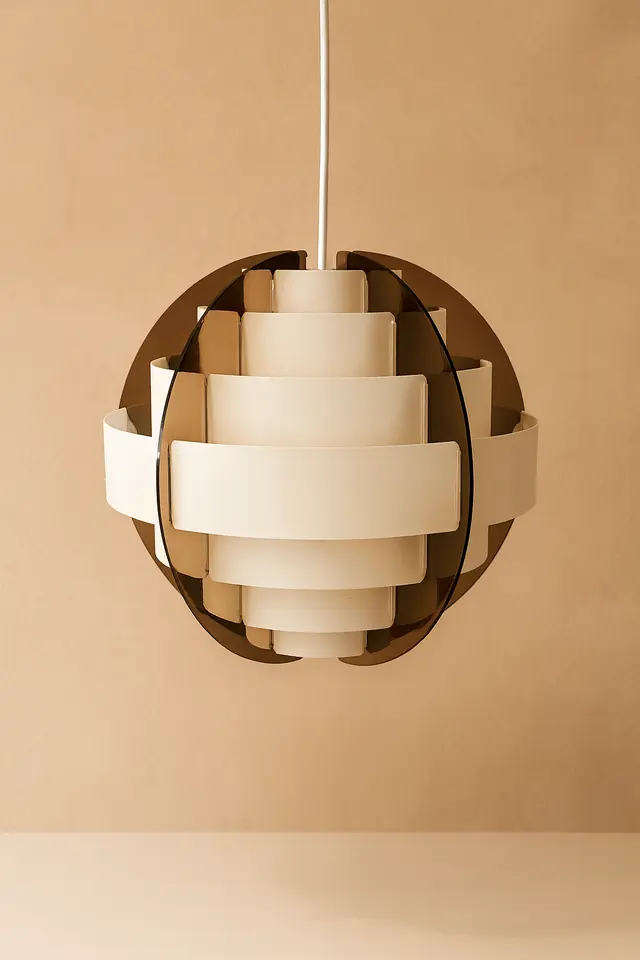
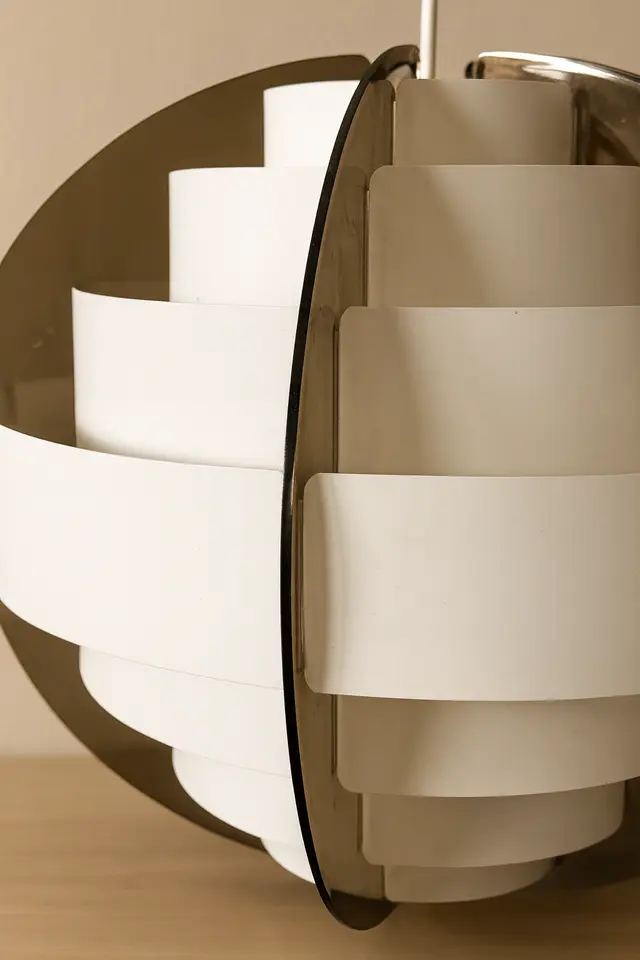
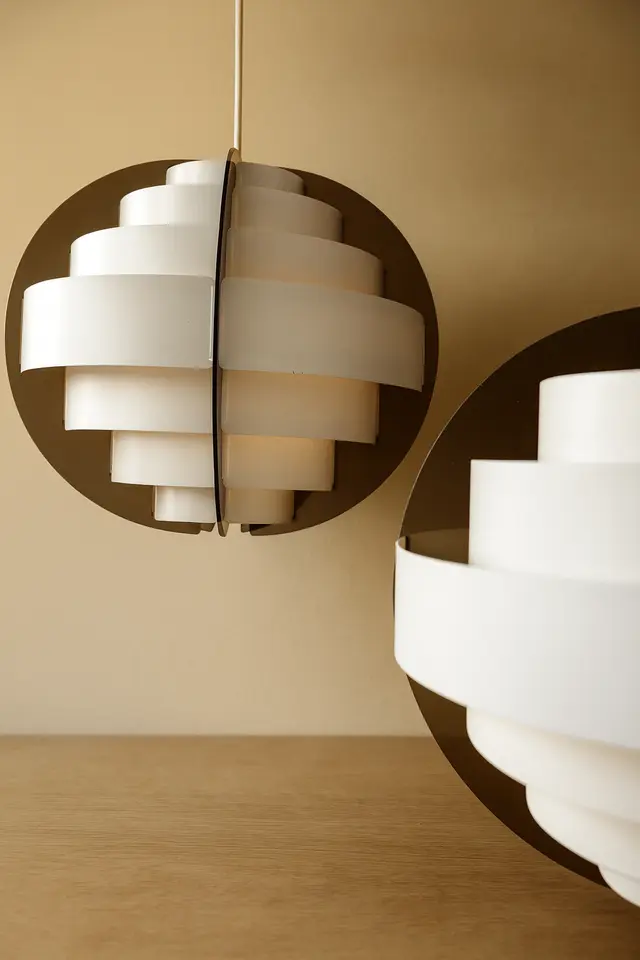
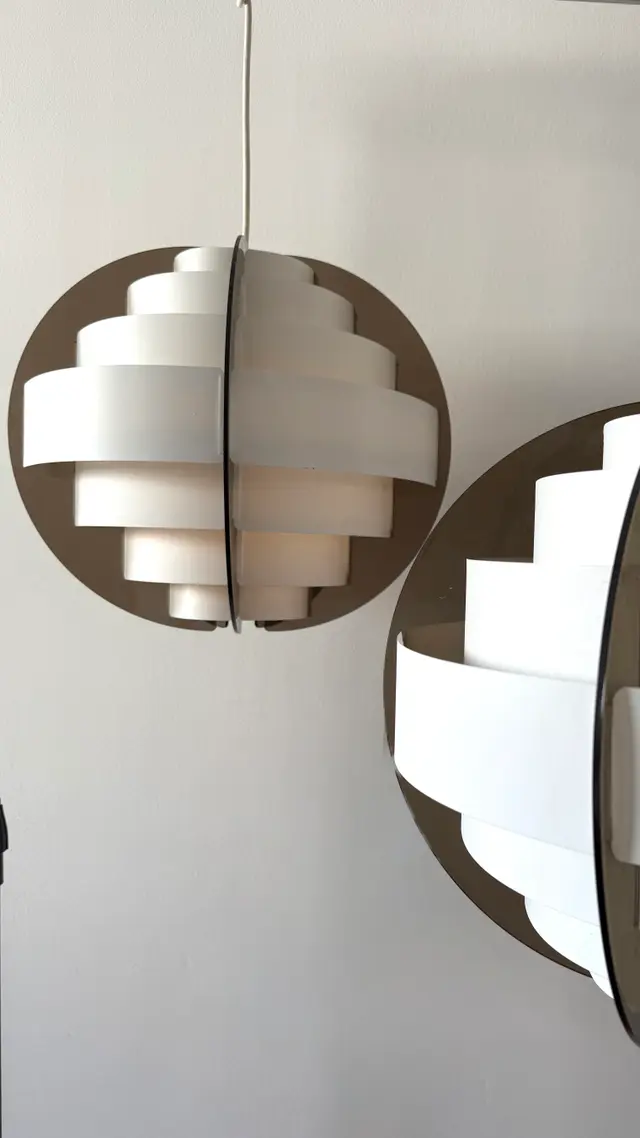
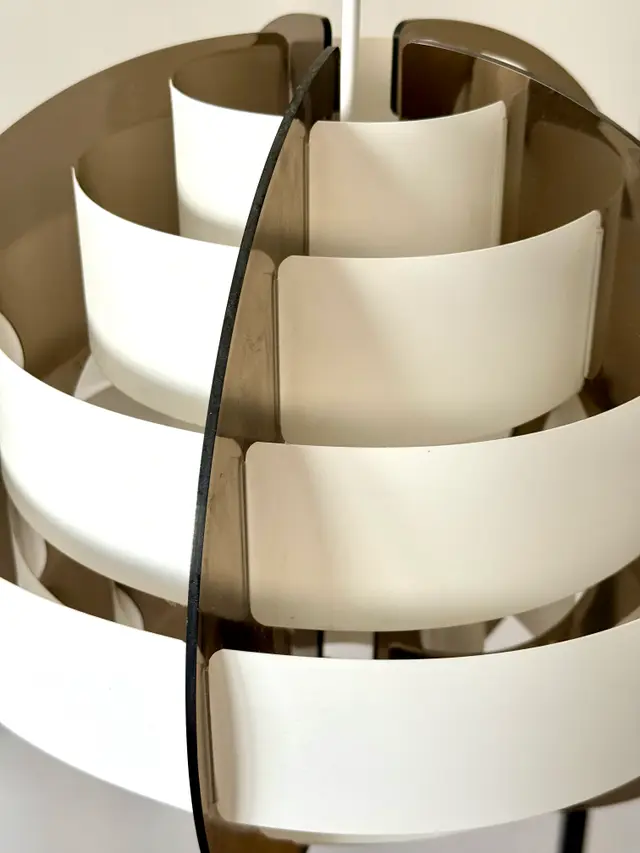
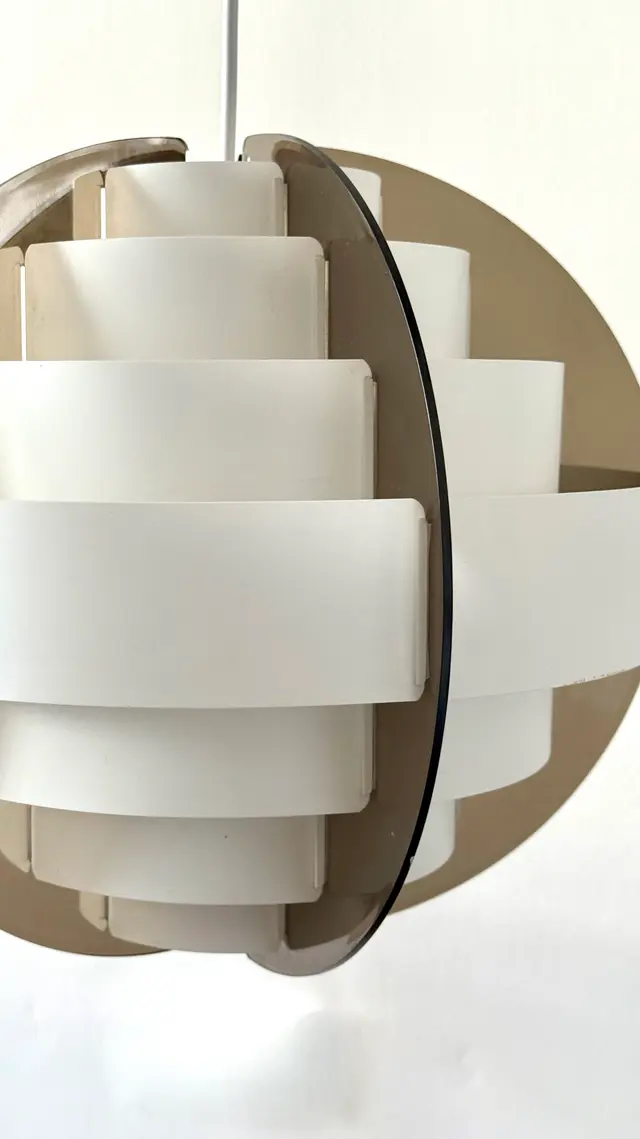
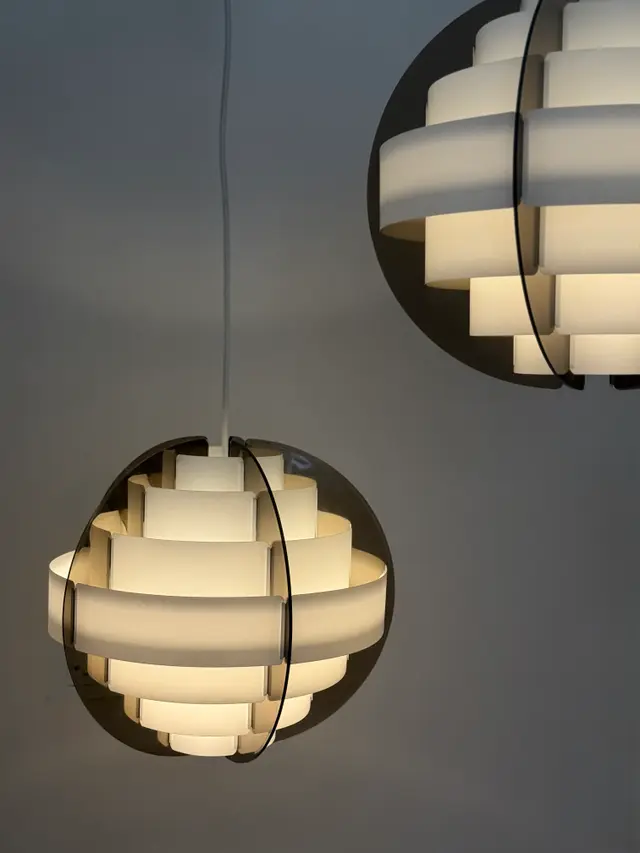
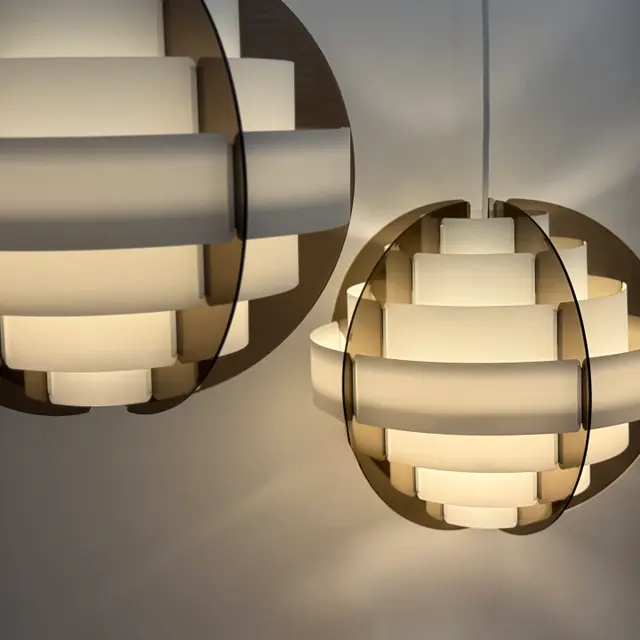
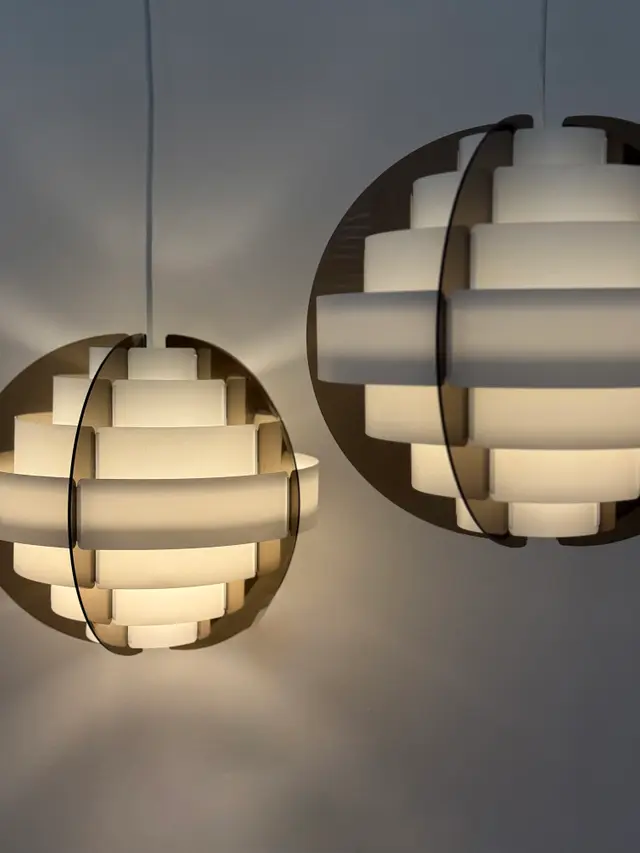
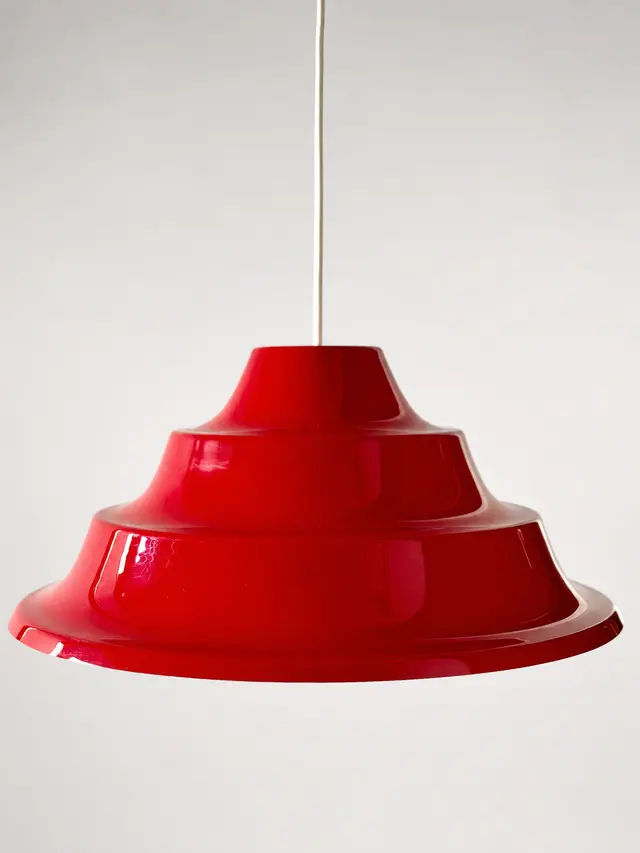
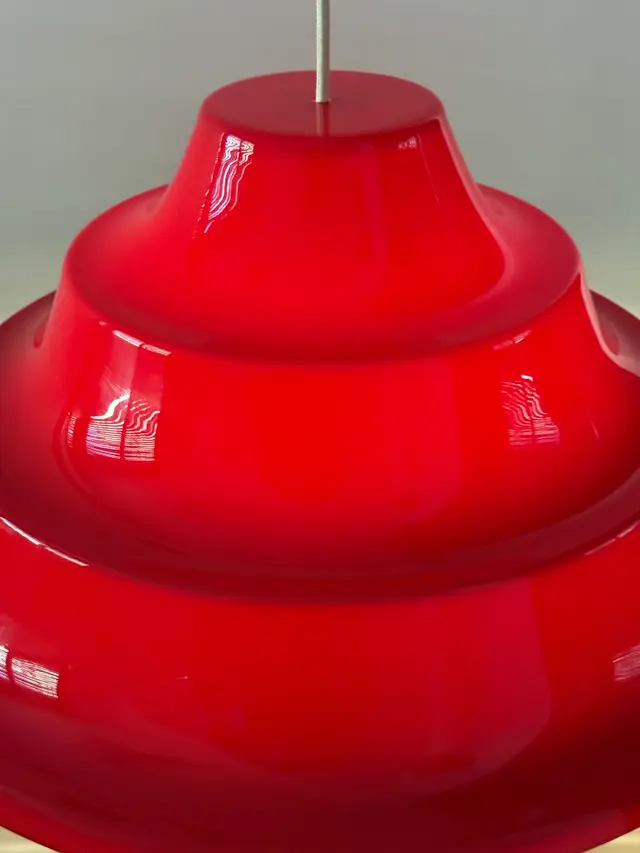
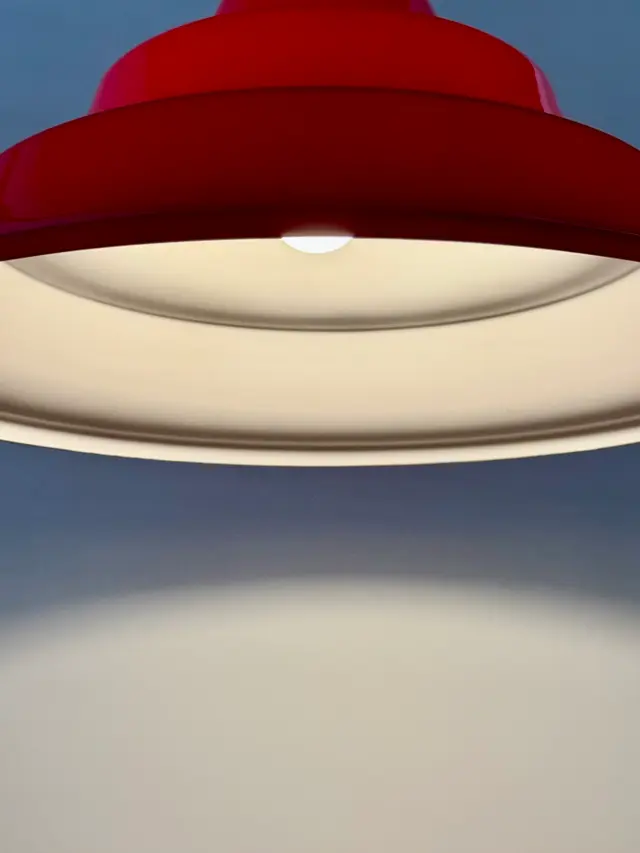
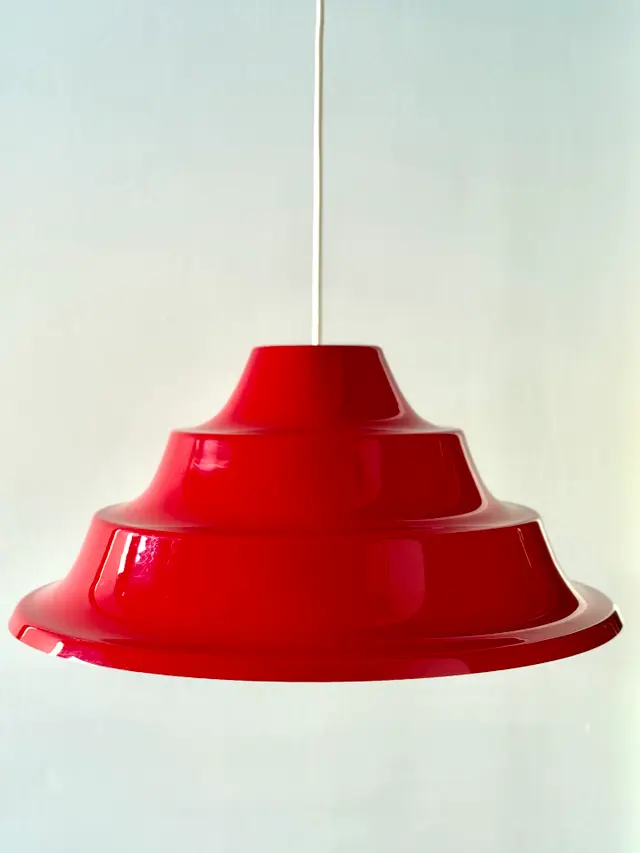
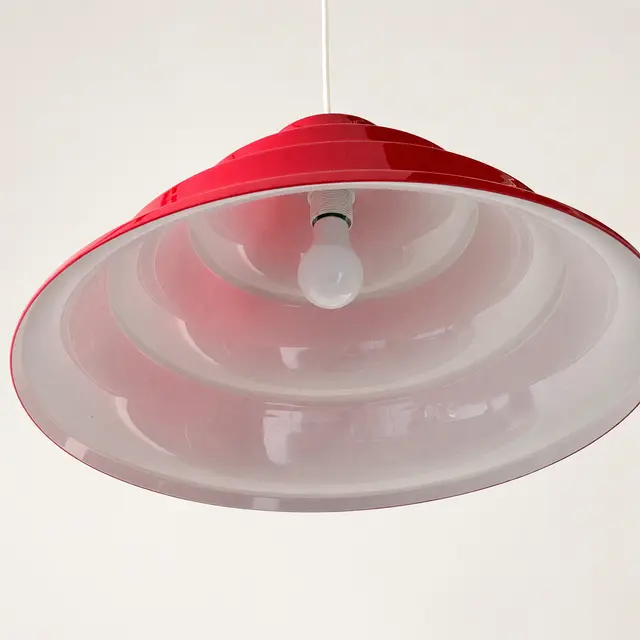
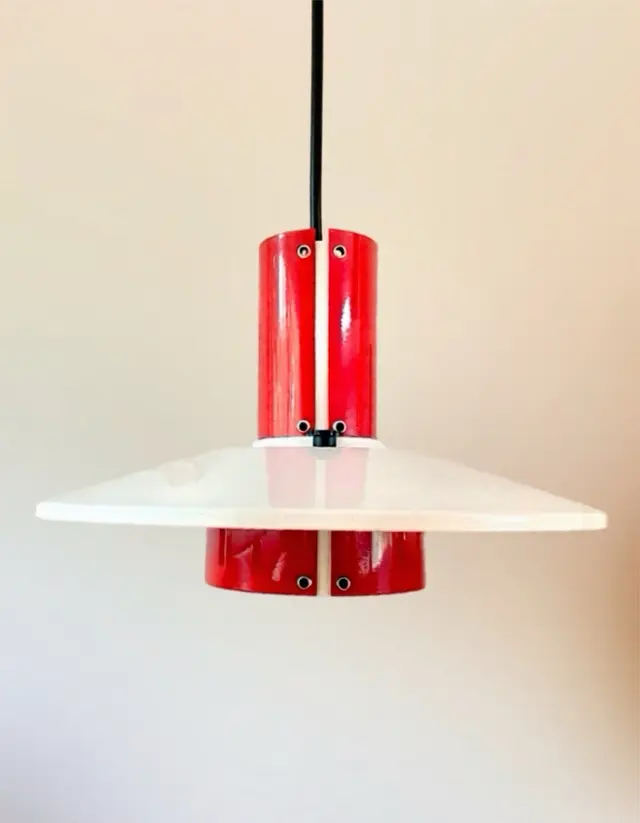
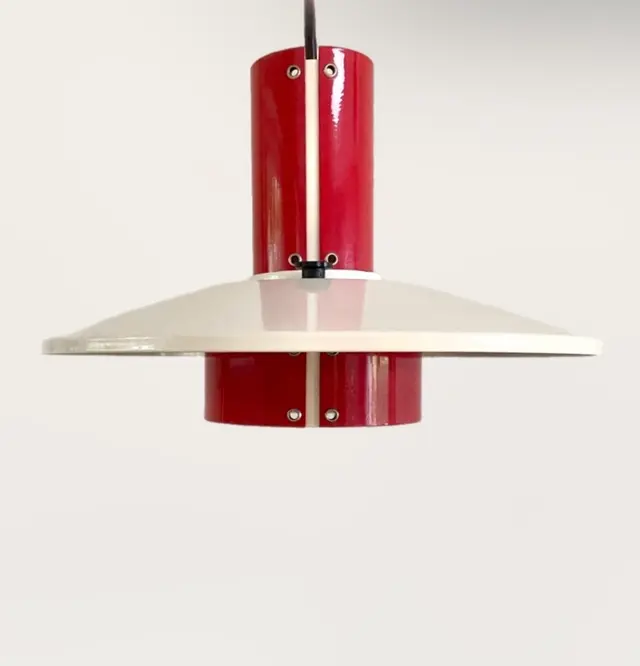
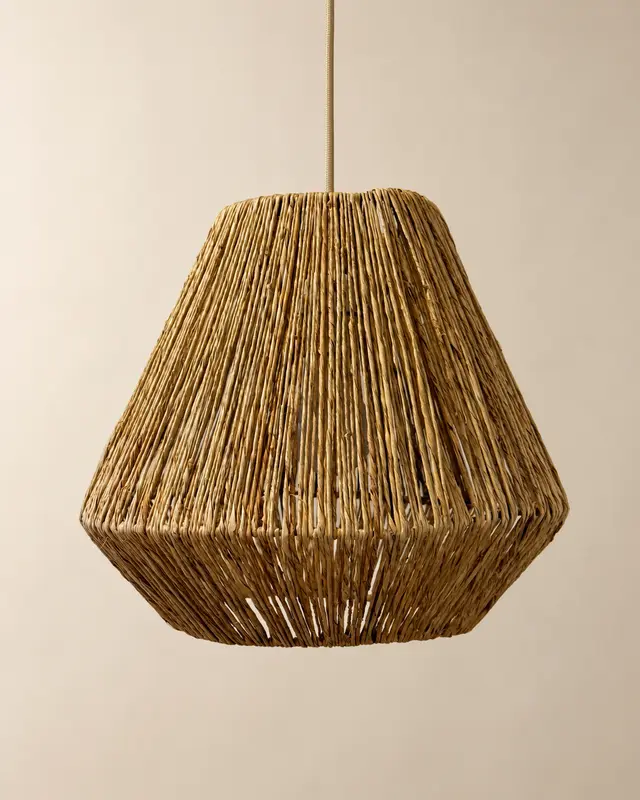
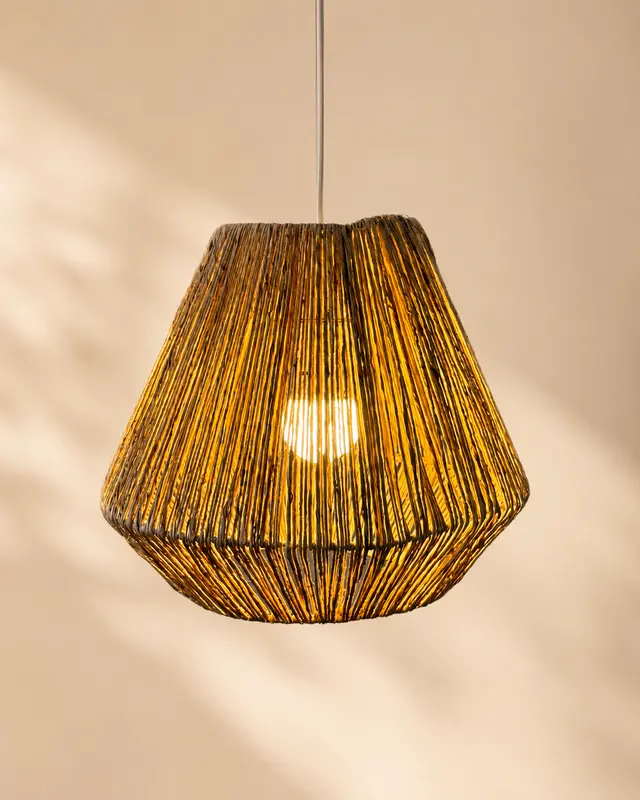
A Danish pendant can define the table inside an open space. A pair of candle holders, or several that do not match, can turn an ordinary dinner into a moment with a beginning and an end. A bowl, a tray, or a vase can stay in the centre even when the table is not set.
Fit the size of the objects to the table. A very tall vase can block the people sitting opposite each other. A group of many small objects can get in the way when food is served. One central piece, or a group that is easy to move together on a tray, will be more useful.
Good design does not ask life to arrange itself around the objects. The objects should be able to live with meals, children, guests, and crumbs.
How do you mix vintage into the kitchen?
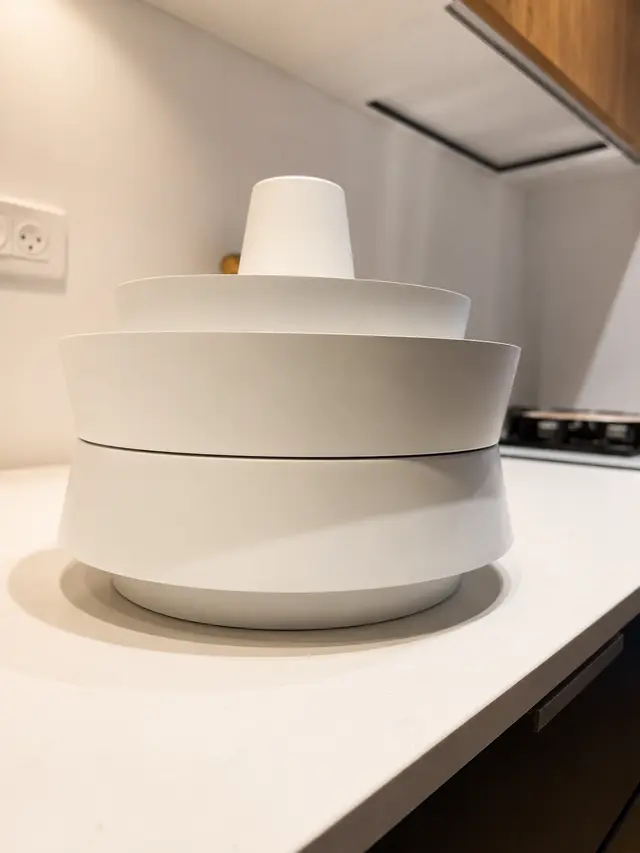
Modern kitchens often have smooth surfaces, matching cabinets, and new appliances. That is exactly why one old vessel can add material and warmth.
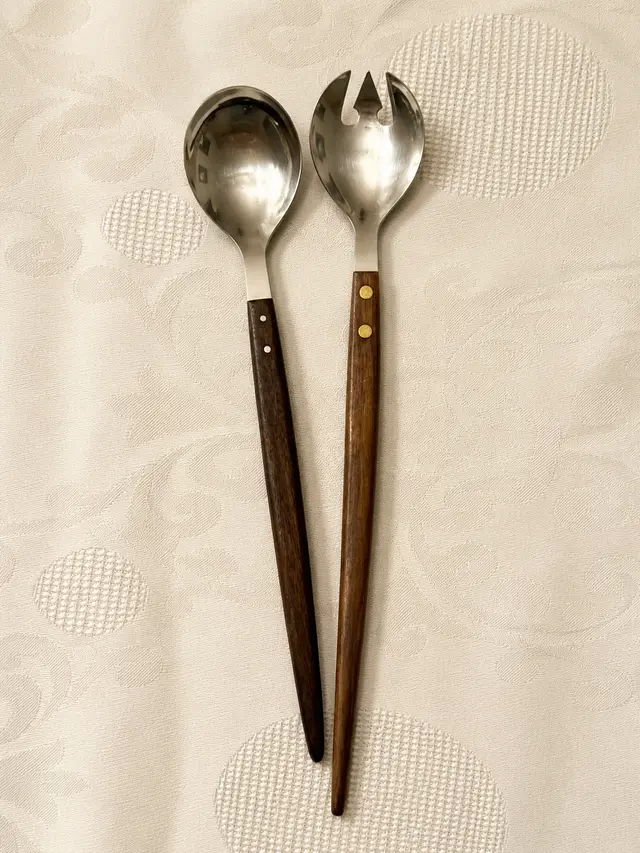
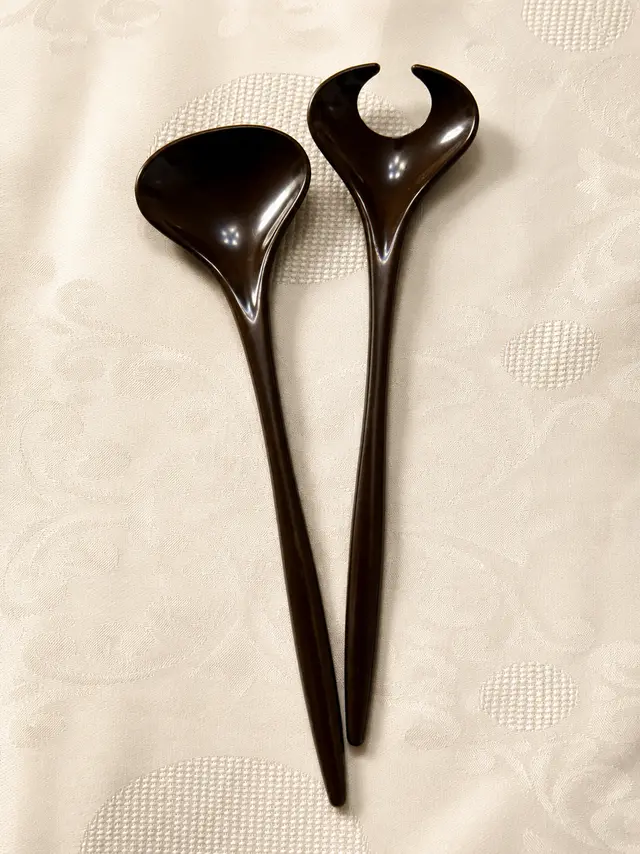
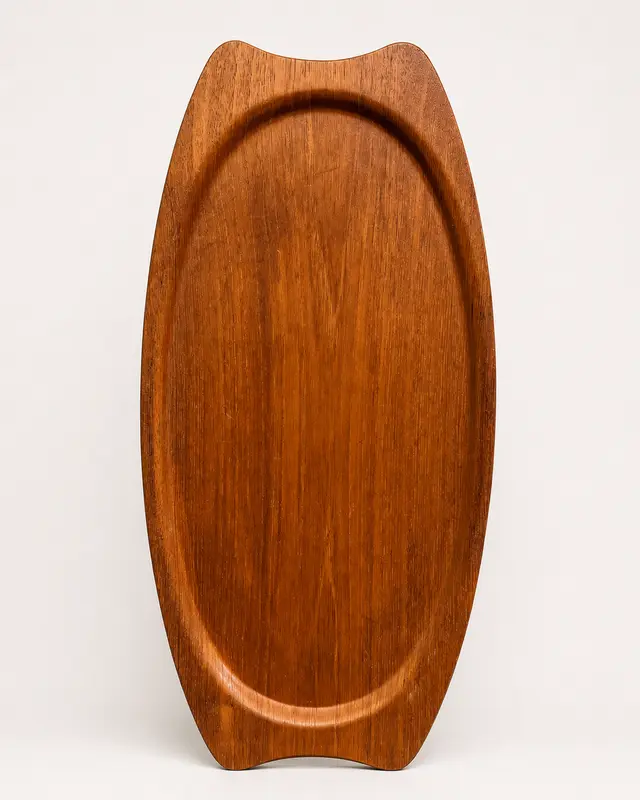
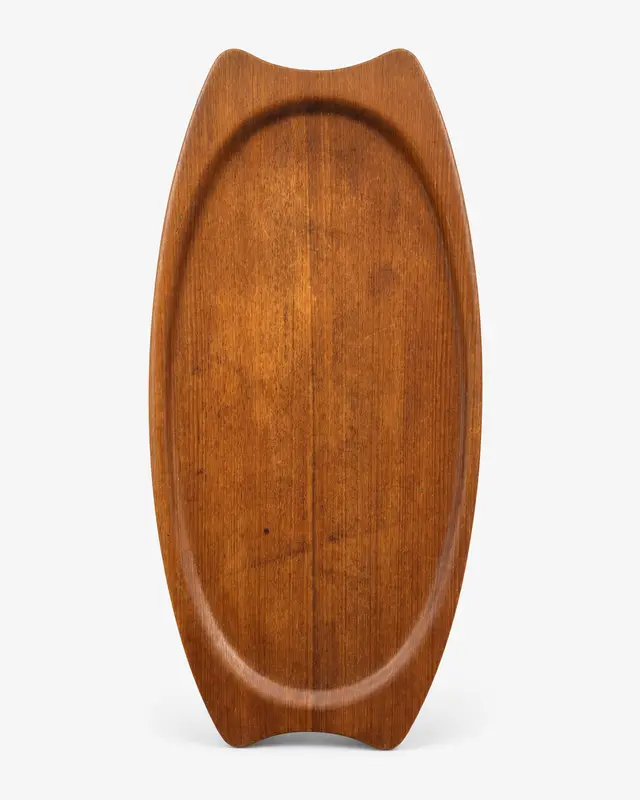
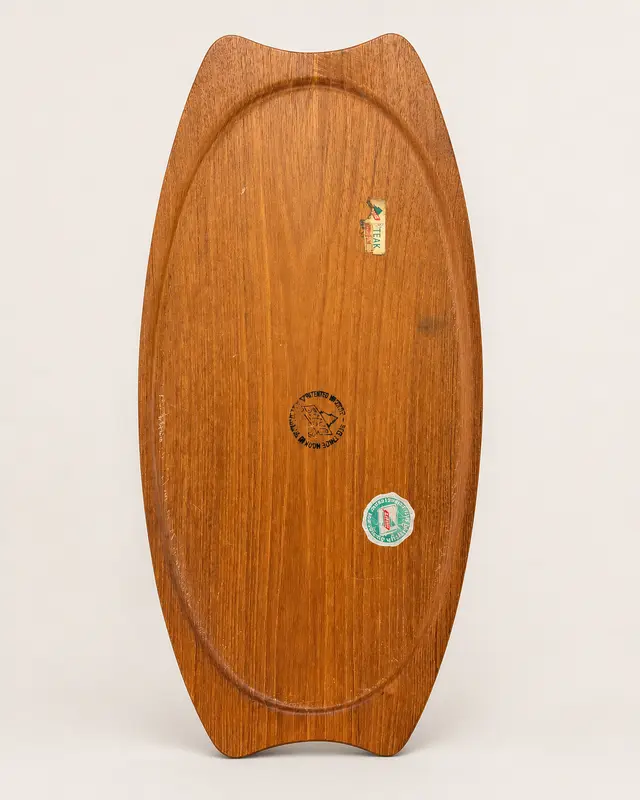
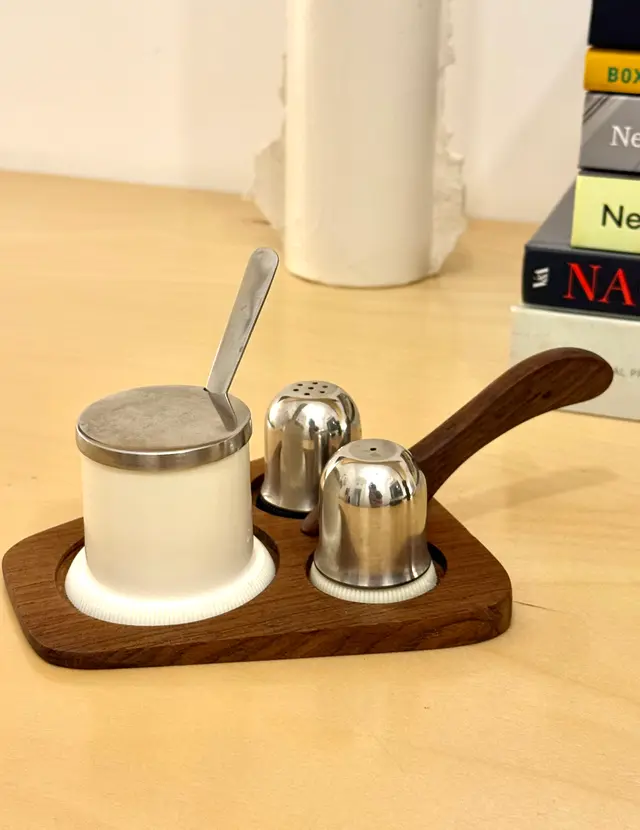
You can put a ceramic bowl on the worktop, use a wooden tray to gather oil, salt, and spices, hang an old lamp over the island, or show glass on an open shelf. Not every piece has to be used for food. A vessel you are unsure about — its material or its glaze — can hold napkins, keys, tea packets, or simply stand as an object.
In the kitchen it is especially important to tell a decorative object from a vessel that is safe with food. Age, cracks, old glaze, and metal composition can affect whether it is safe to use. When there is no certain information, it is better to use the piece for display and not for serving food.
How do you mix vintage into the bedroom?
The bedroom does not need many objects, but it gains from pieces that soften the feeling.
A vintage table lamp beside the bed can replace a cold, strong light. A candle holder or a small vase can bring form and material to the bedside chest. A little bowl can hold jewellery or the things you take off at the end of the day.
Choose pieces that do not ask for too much attention. The bedroom should let the eye and the body rest. One object with texture, colour, or a story can be enough.
How do you mix vintage into a child's room?
A child's room does not have to be made only of things bought in the children's department. A good object can grow with the child.
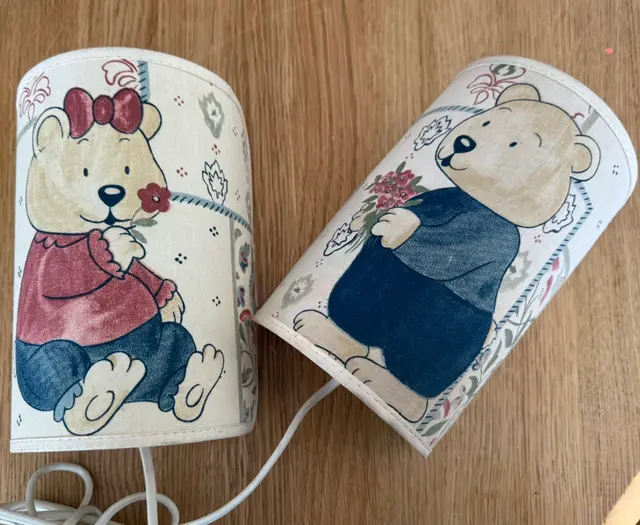
A colourful lamp, a wooden bowl for small toys, an old print, or a playful ceramic piece can give character without making a theme that has to be replaced in two years. Still, check stability, materials, sharp edges, wiring, and whether the child can reach the object.
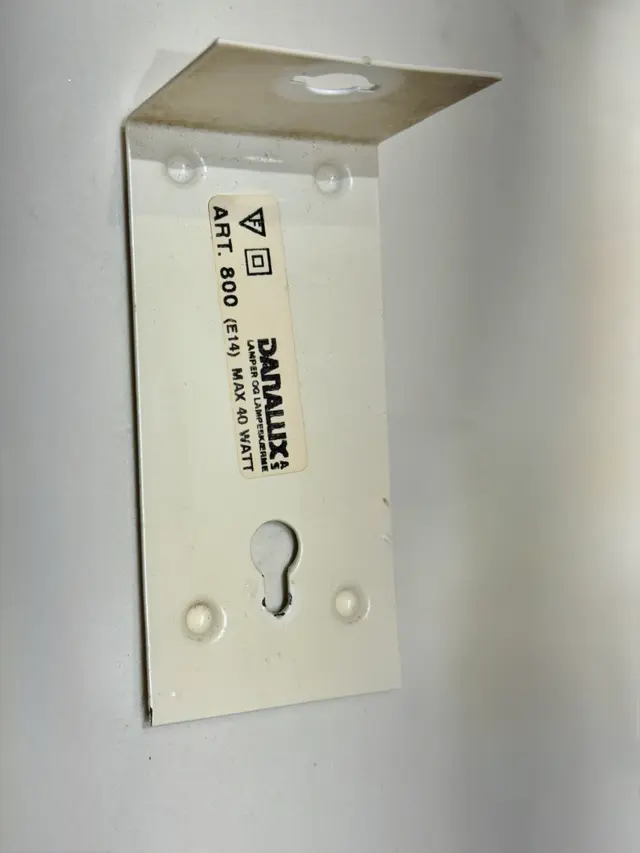
Fragile or heavy pieces should be out of reach. Vintage lamps should be checked and suited to the electrical system and to how they will be used now. Candle holders in a child's room can work as decorative objects with LED candles, not with open flame.
How do you style a shelf with vintage objects?
The most common mistake is to fill every centimetre. An interesting shelf is not one on which you can see everything you own.
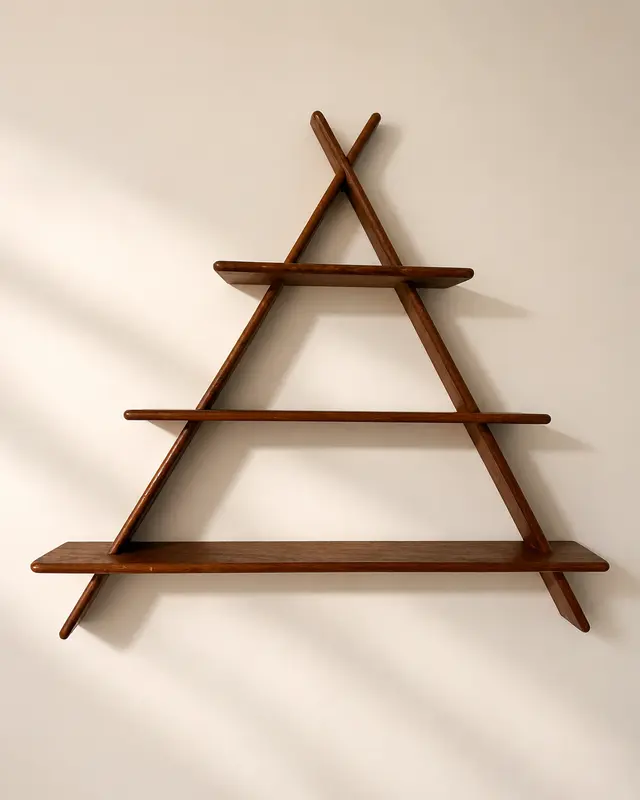
Start with one relatively large object. Add a lower one, and beside it something flat such as a book or a tray. Make small groups and leave empty areas between them. You can put an object on a stack of books to change the height, or set a candle holder and a vase together even if they are not the same material.
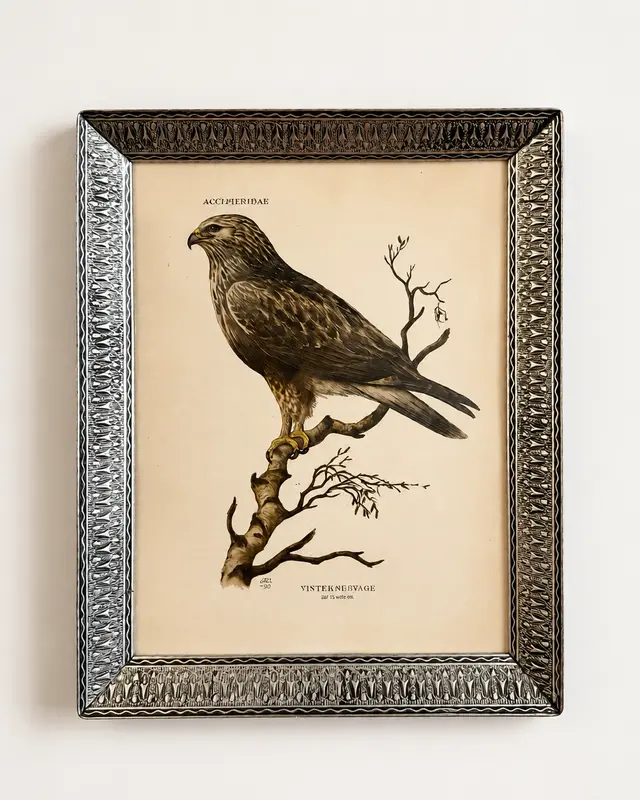
Mix beautiful things with personal ones: a book you actually read, a photograph, a child's drawing, a stone from a trip, or something that has passed through the family. A vintage piece does not have to appear as if it is in a museum. It can take part in a story that already exists in the house.
If the shelf feels crowded, do not just shuffle everything a little. Take a third of the pieces off and look again.
How do you bring in colour without being afraid?
Danish design is not only beige, white, and light wood. The history of Danish design also includes printed textile, strong colour, dark ceramic, coloured glass, plastic, and objects full of humour.
If the house is neutral, a vintage object is a good way to try colour without committing to a whole wall or a large piece of furniture. A green vase, an orange lamp, or a blue bowl can change the room, and still move later to another place.
So the colour does not feel accidental, give it a small echo somewhere else. It does not have to return exactly. A deep green in a vase can answer a plant, a book cover, or a colour in a painting. The tones should be in conversation, not in uniform.
How do you keep the house from looking like an antiques shop?
The problem is not that there are too many old things in the room. The problem starts when every object tries to tell the same story, and there is no space or contrast between them.
To keep a contemporary feeling:
- Put clean surfaces beside objects with detail
- Use good lighting, not only a weak yellow glow
- Leave empty areas on walls, shelves, and tables
- Mix old and new instead of keeping them in separate zones
- Choose a few strong objects instead of many middling ones
- Use the vintage pieces in everyday life
- Do not try to hide every sign that the house is in the present
A laptop on a vintage table, a new book beside an old candle holder, or supermarket flowers in a 1960s vase do not ruin the atmosphere. They let the old object go on living.
Are scratches and patina a flaw?
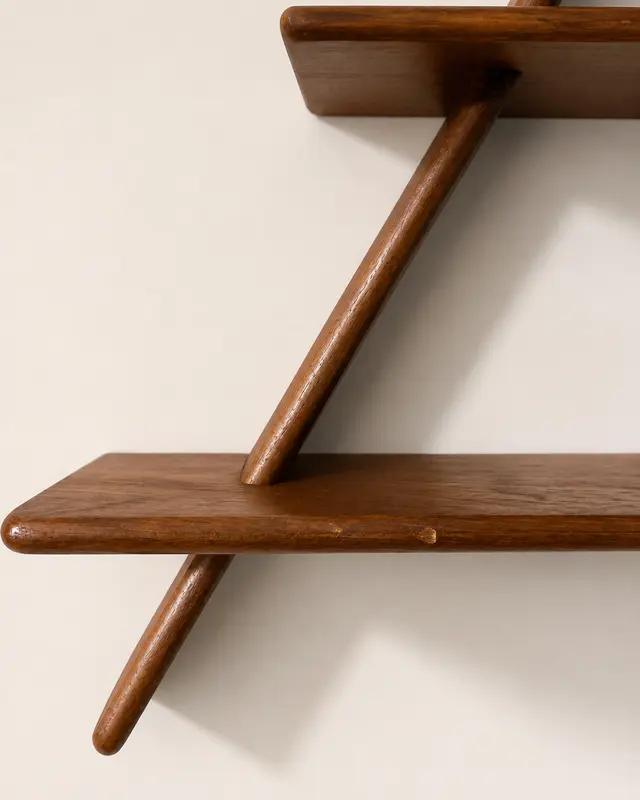
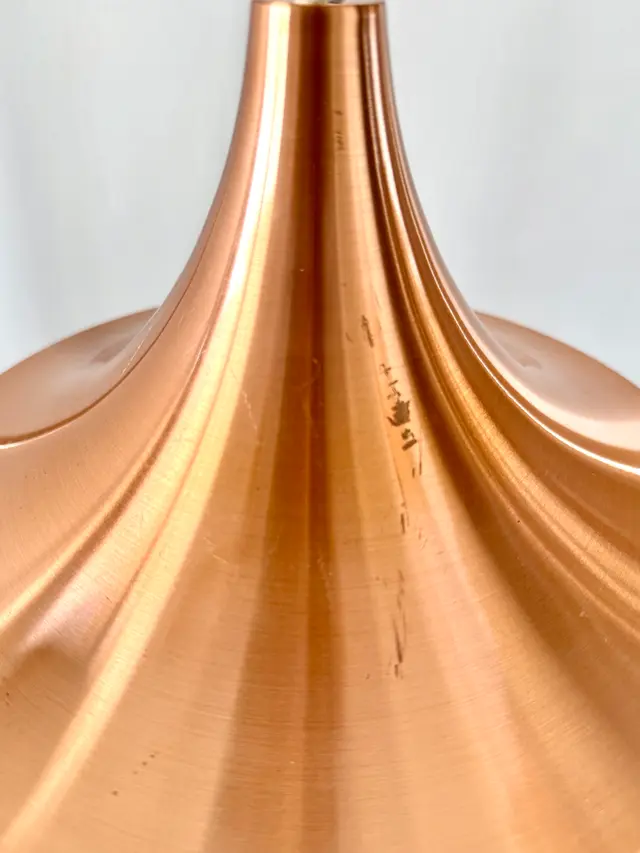
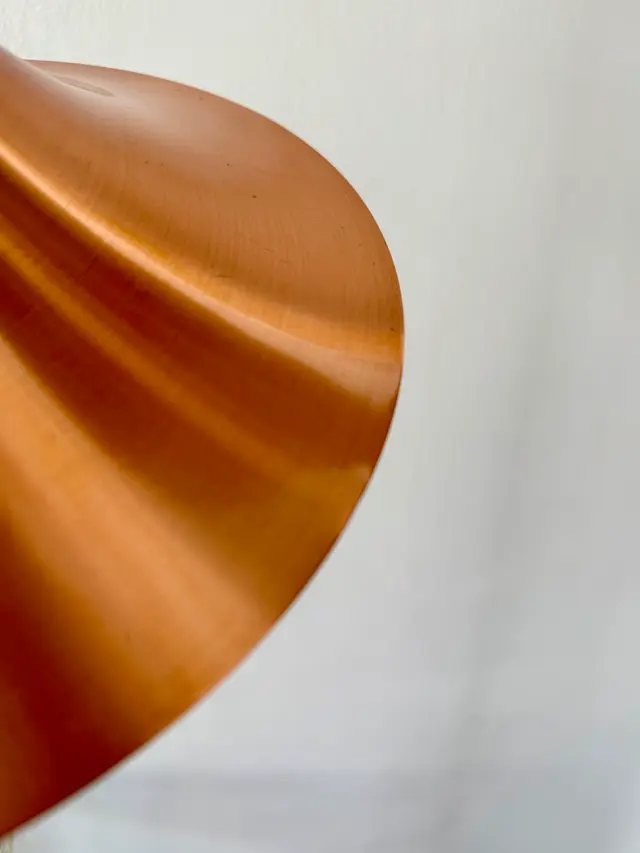
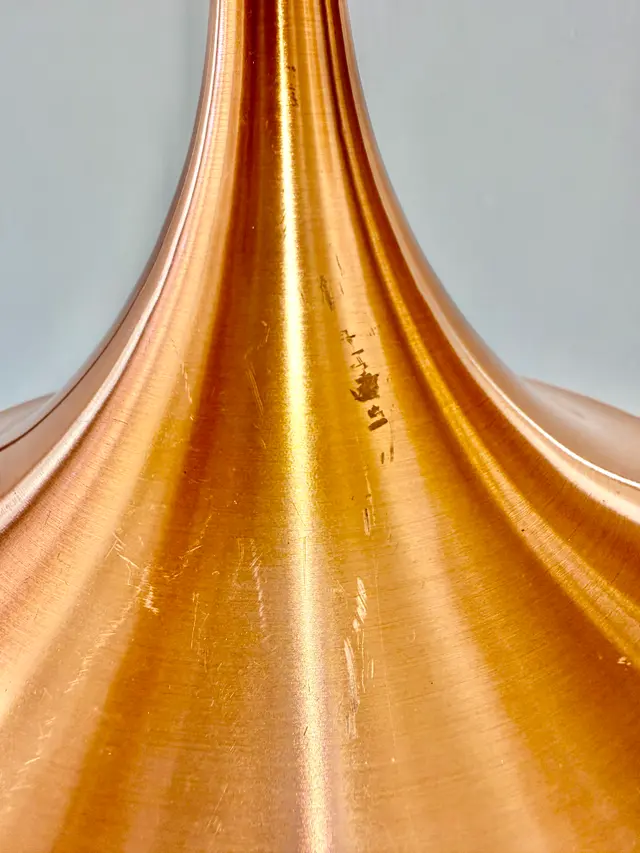
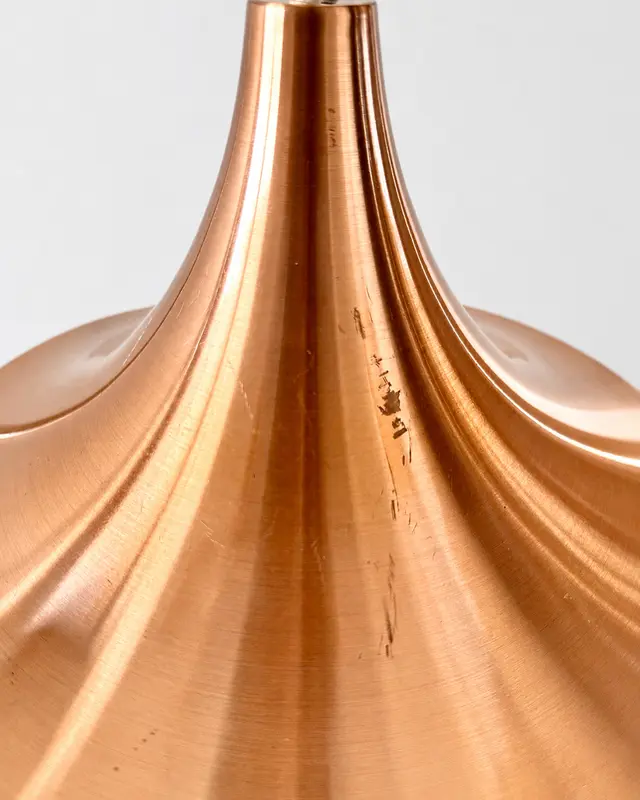
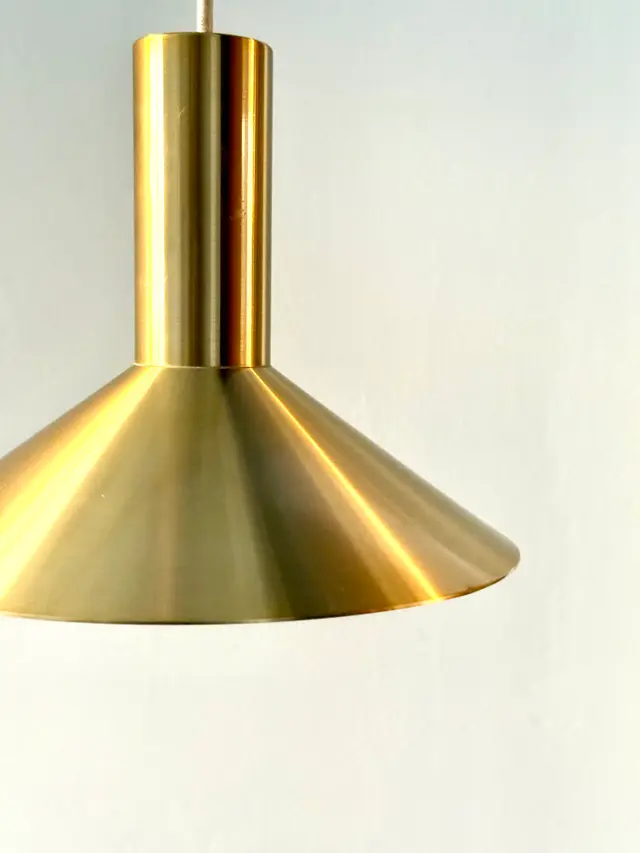
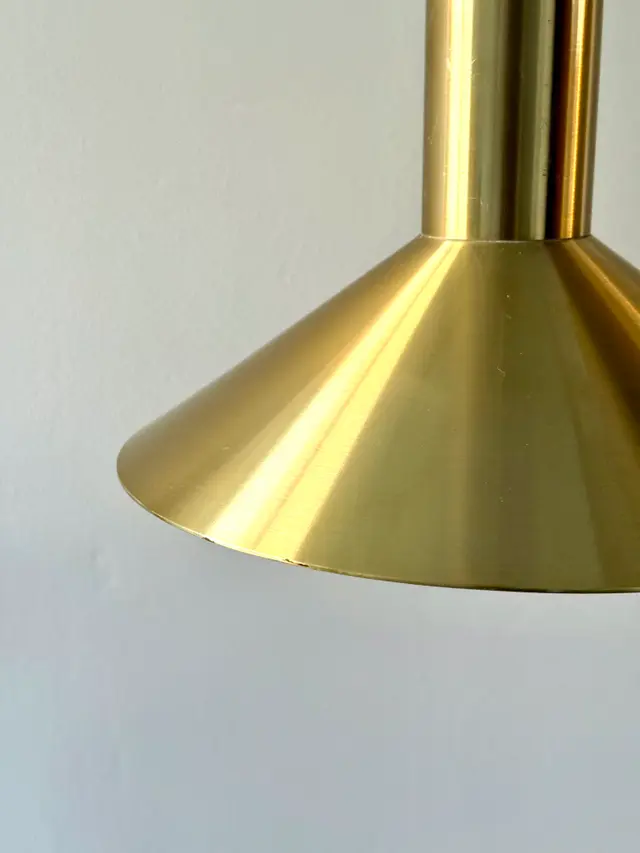
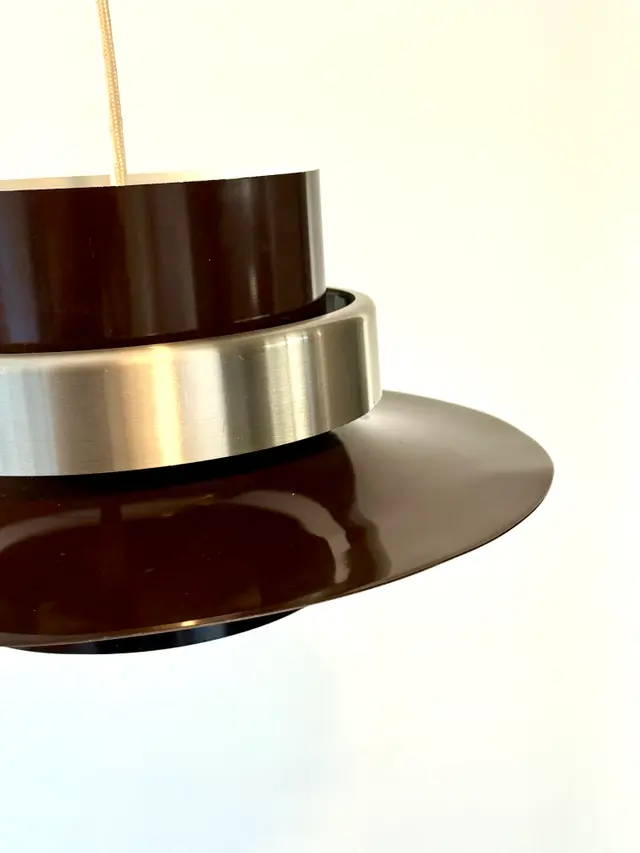
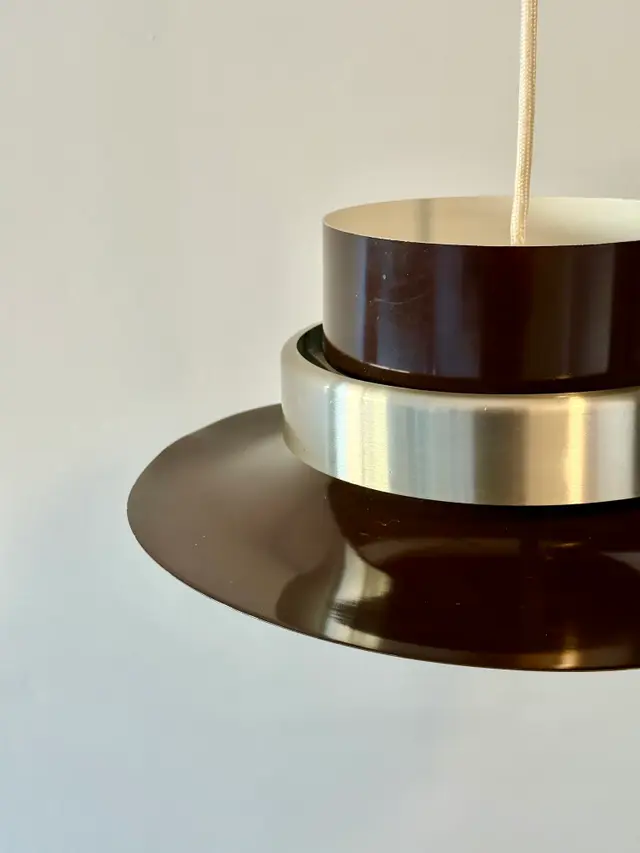
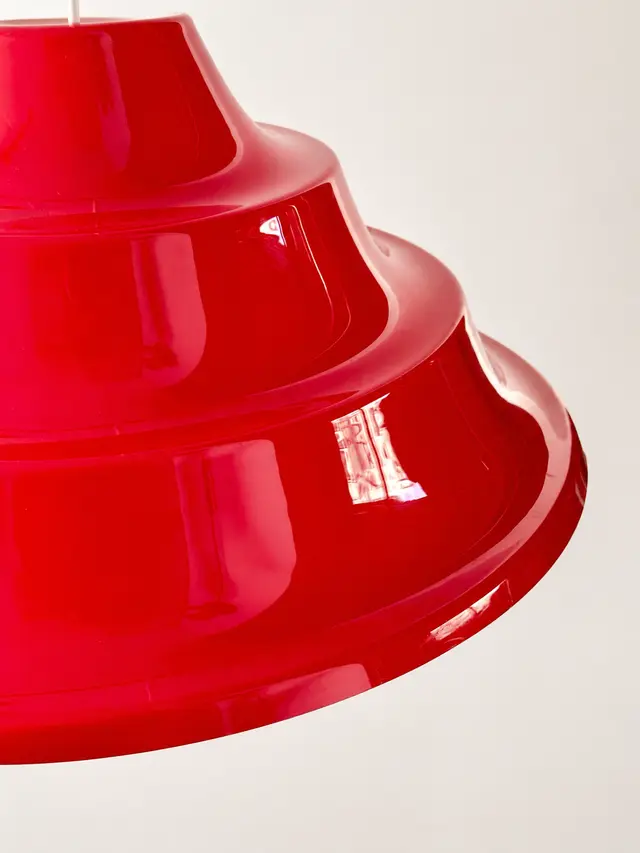
A vintage object does not have to look as if it has just left the factory. Light scratches, a change of tone, patina, and marks of use can be part of its character.
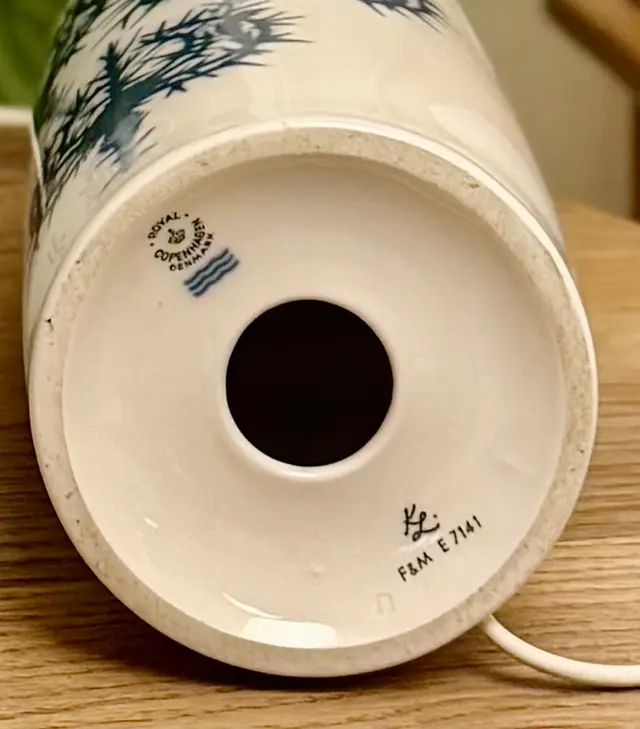
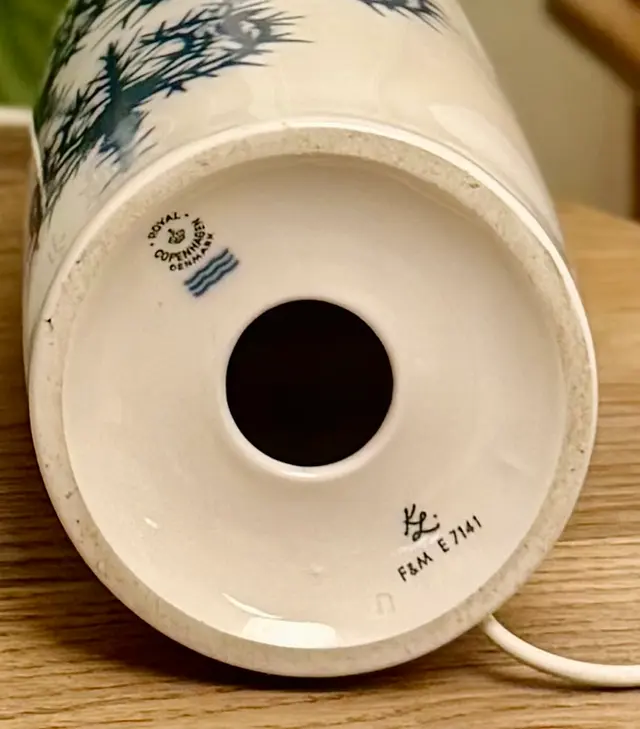
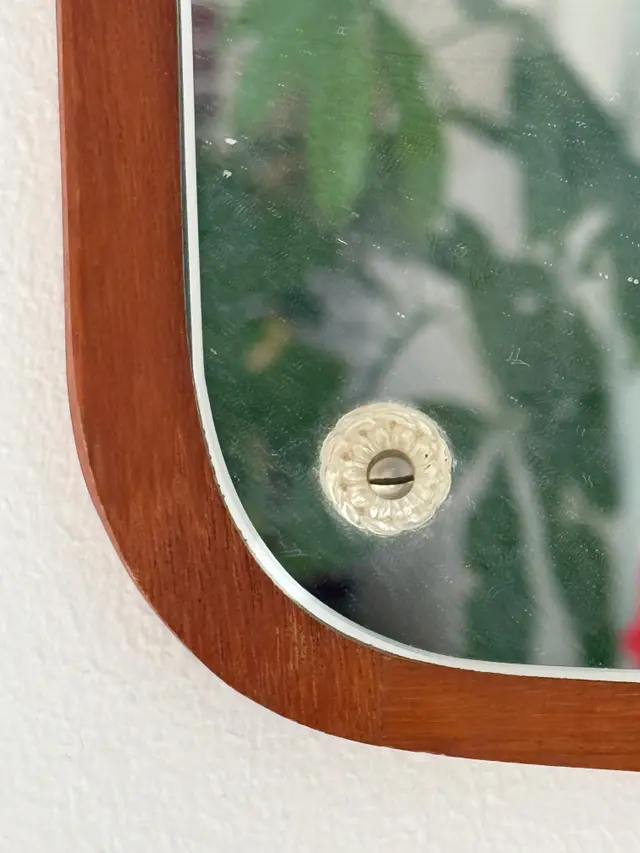
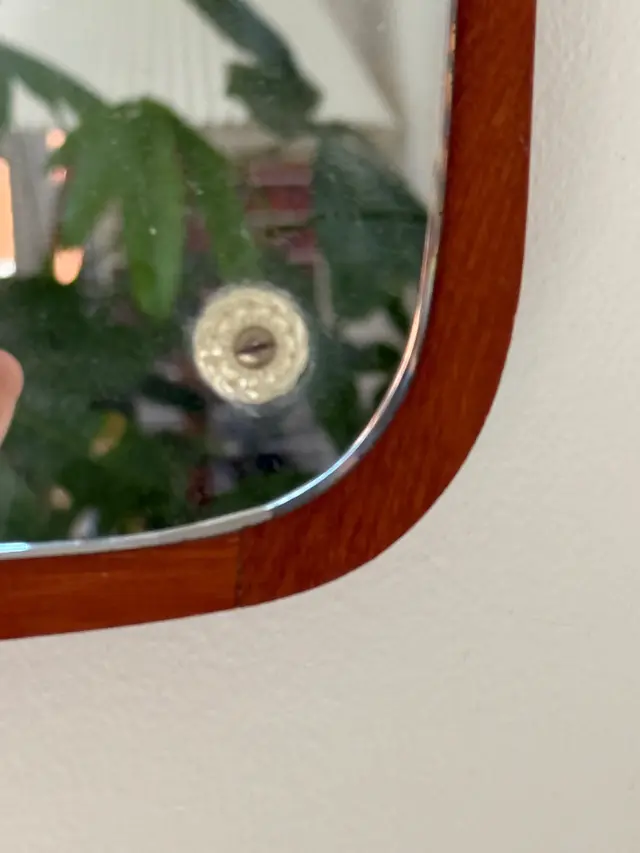
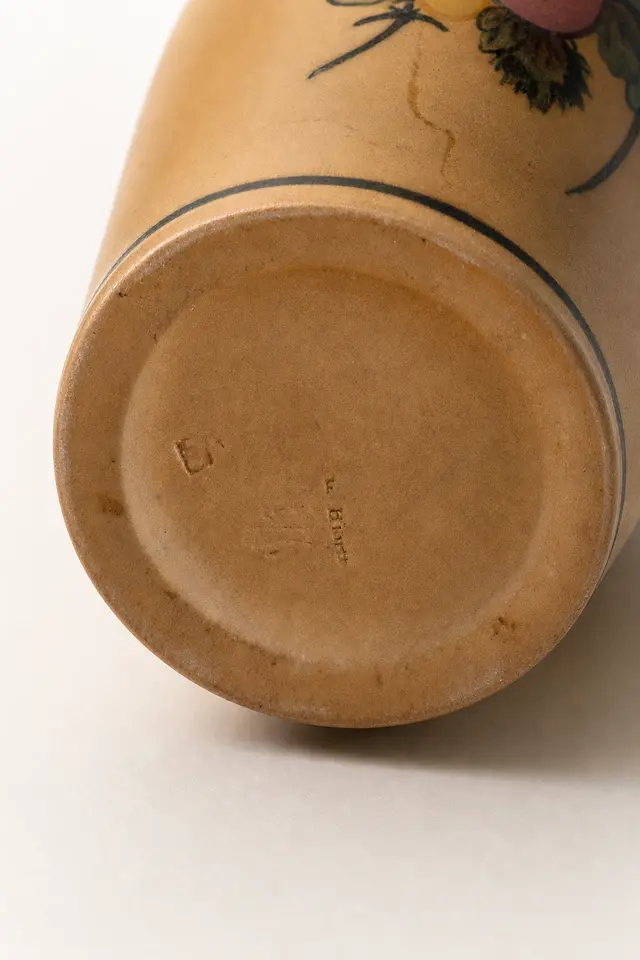
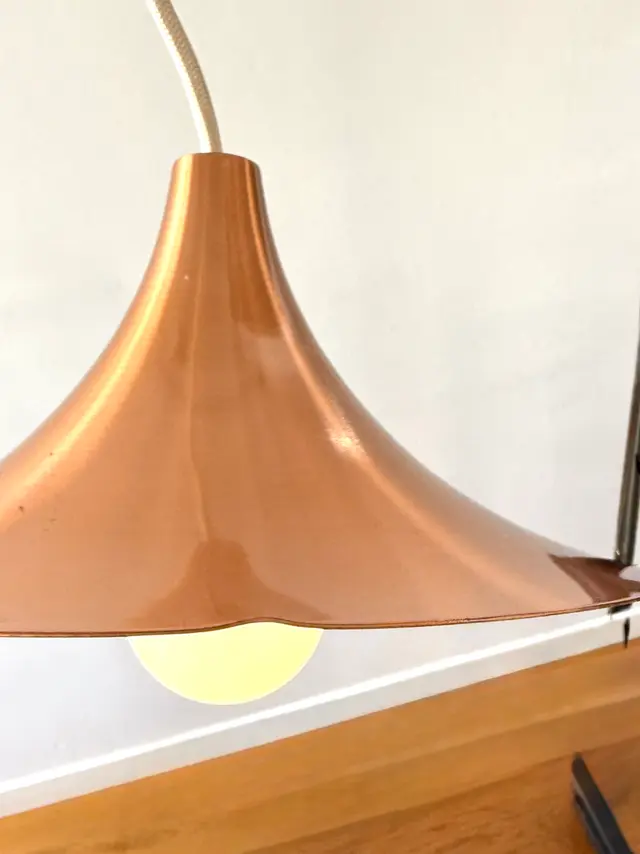
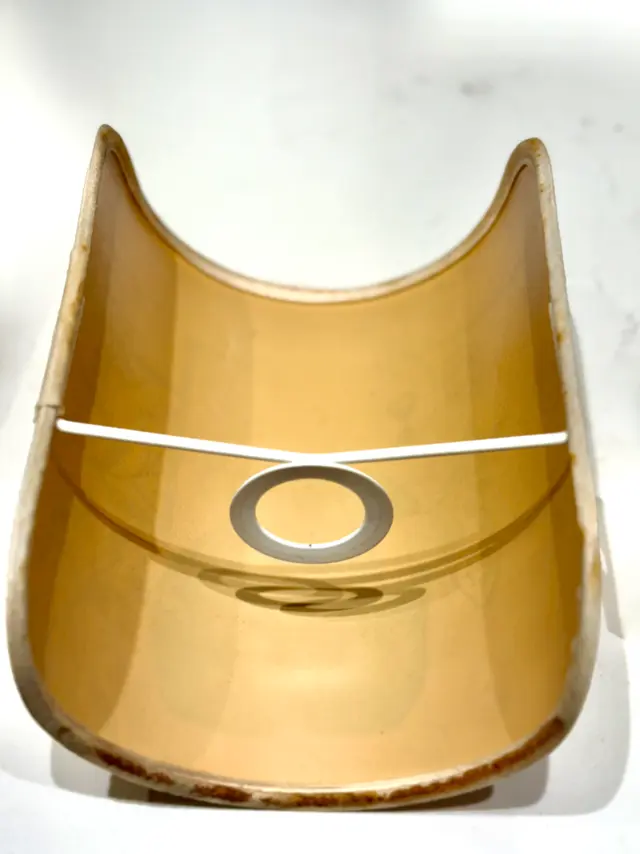
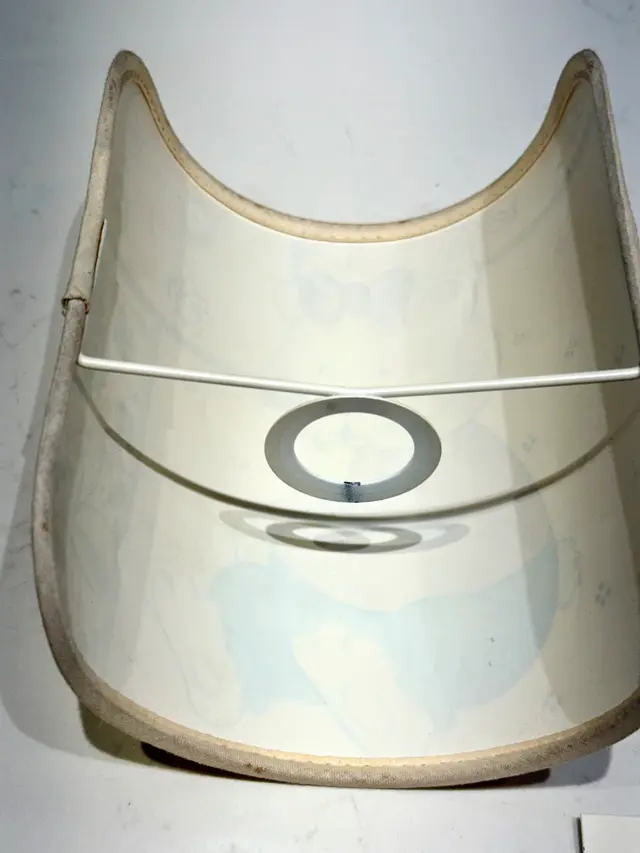
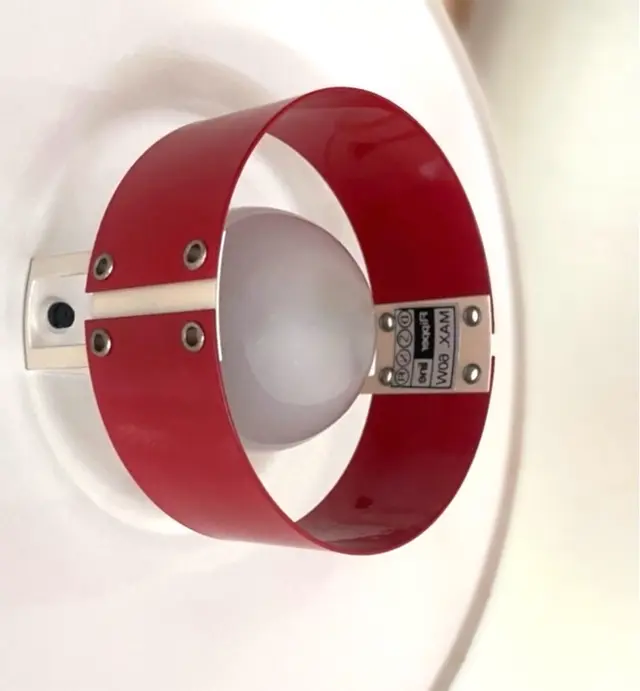
Still, there is a difference between beautiful ageing and damage that affects use. A structural crack, an unstable base, a sharp break, old wiring, or loose parts need attention. Before you buy a vintage piece, check not only whether you like how it looks, but whether it is whole, safe, and suited to the job you want to give it.
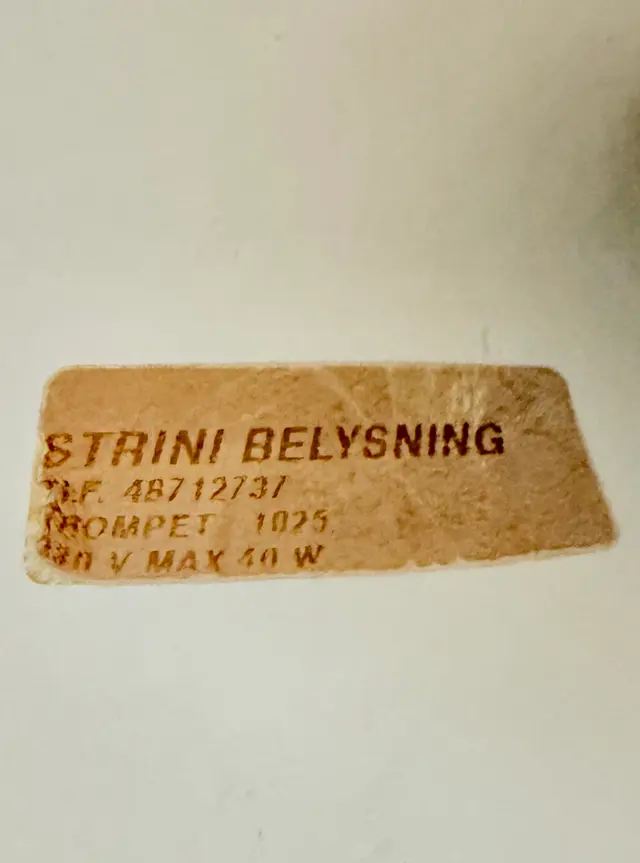
On the product pages in the shop you can see photographs and information about each piece's condition. The marks of time are not hidden, because they are part of the object and of the decision whether it is right for you.
Is vintage a more environmental choice?
Reuse lengthens a product's life and reduces the need to extract materials and make a new object. The European Environment Agency treats longer product life, repair, reuse, and redistribution as a central part of a circular economy.
But it is important not to turn every purchase of an old object into a perfect moral act. Vintage also involves transport, packing, and consumption, and not every second-hand piece necessarily replaces the purchase of something new.
The most environmental choice is to choose fewer objects, choose them well, and live with them for a long time. The advantage of vintage is the chance to lengthen the life of something that already exists, instead of treating design as an endless series of trends that have to be replaced.
How do you know an object really fits you?
Do not only ask whether the object is beautiful. Ask whether you know where it will live.
Does it have a particular place? Do the measurements fit? Does its colour make a link with something already in the room? Does it fill a need, such as reading light or a bowl for keys, or give you enough pleasure to justify its place as a decorative object?
Try to imagine the object on an ordinary day, not only in a photograph. Will you have to move it every time you eat? Will the lamp light the right place? Is the candle holder steady? Will the vessel still be beautiful when it is empty?
The right object is not the one that can enter the house. Almost any object can enter. The right object is the one that begins to look as if the place had been waiting for it.
What vintage objects will you find in the shop?
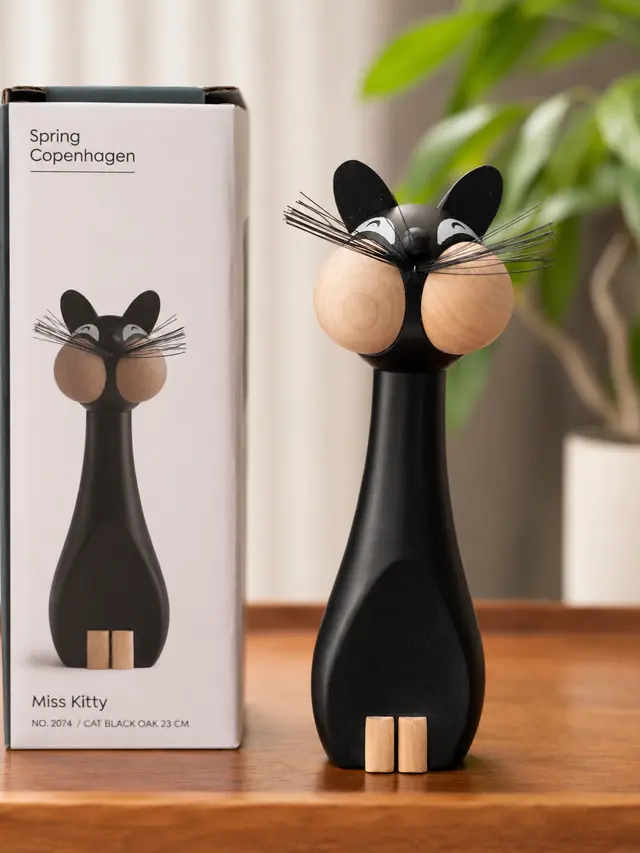
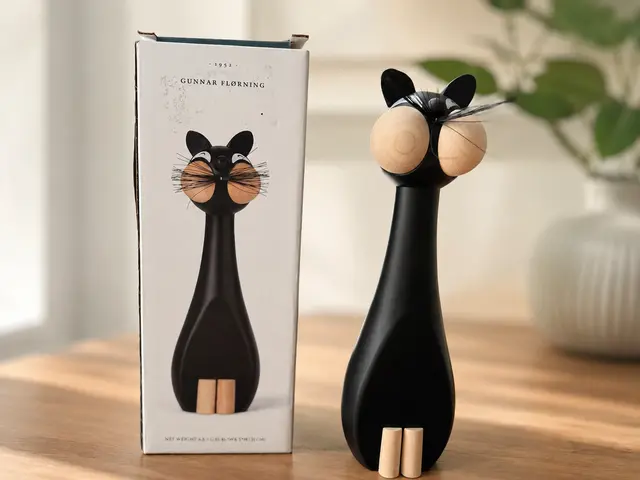
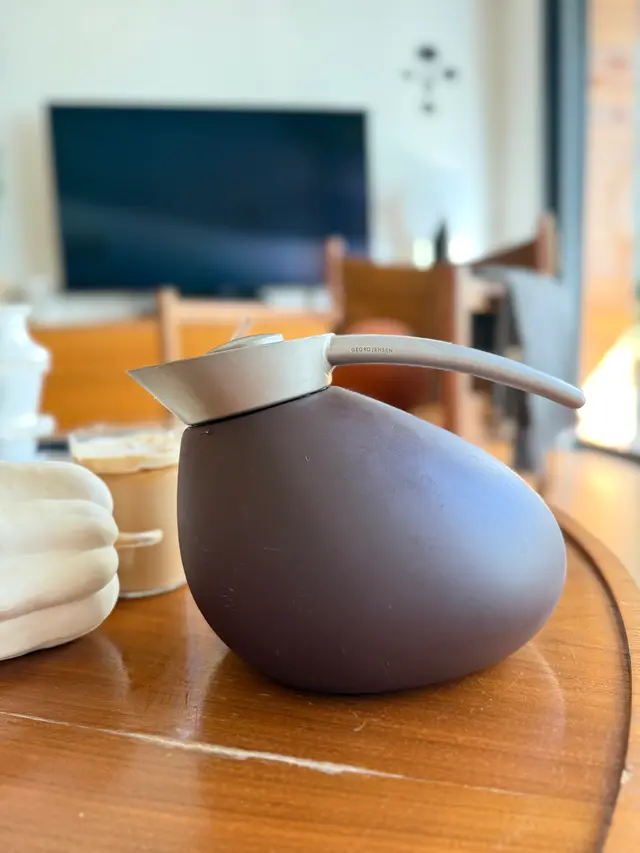
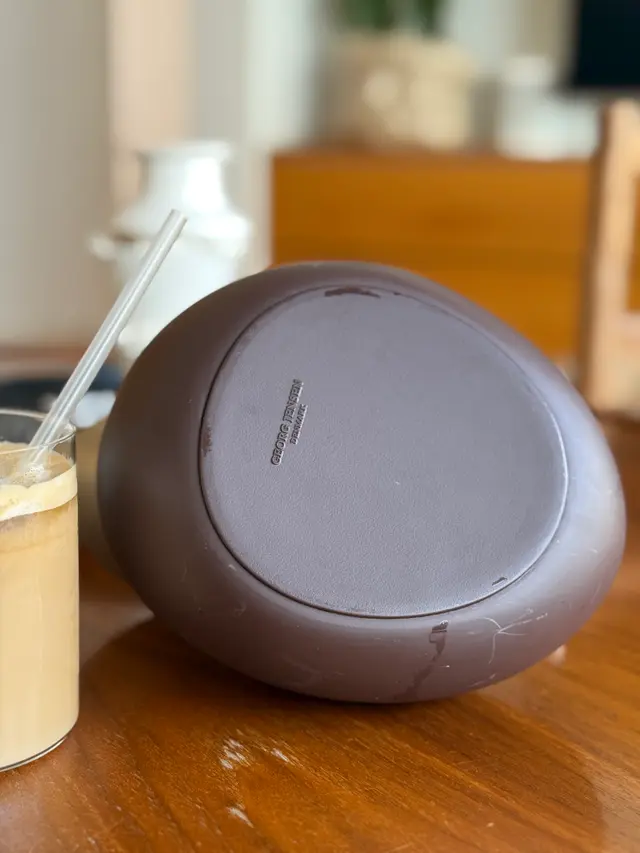
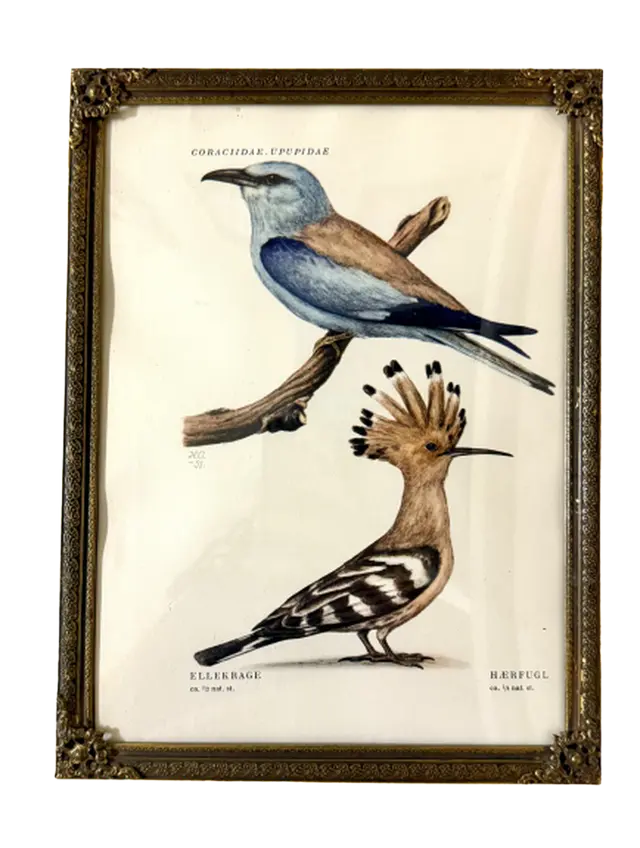
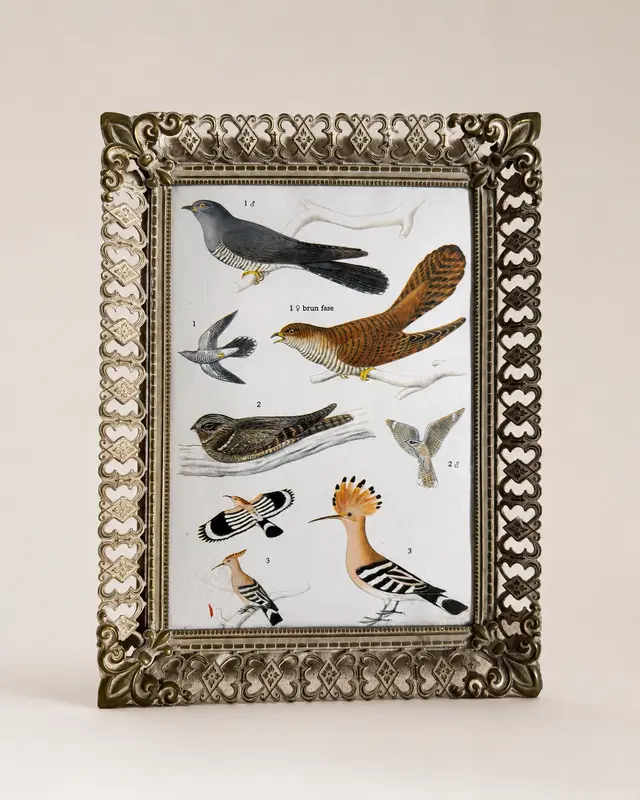
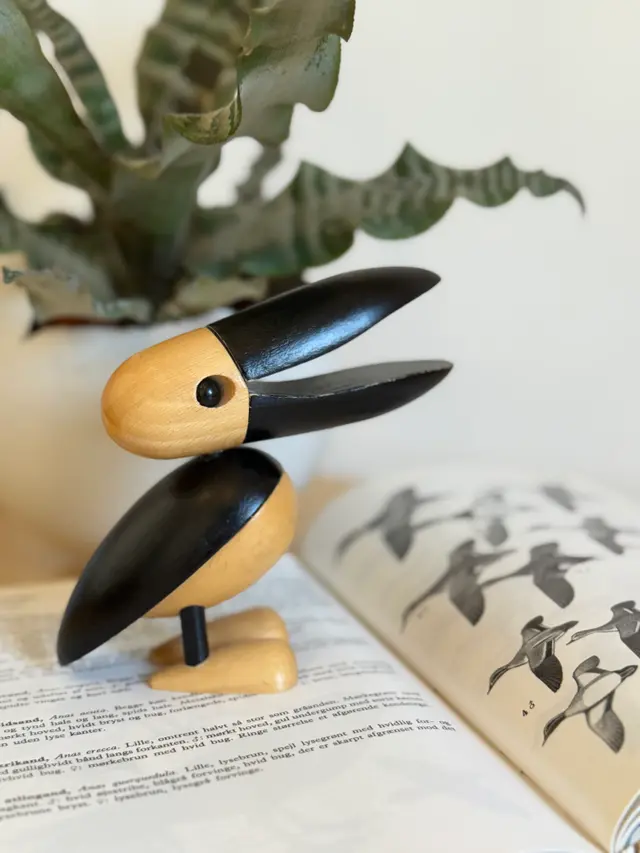
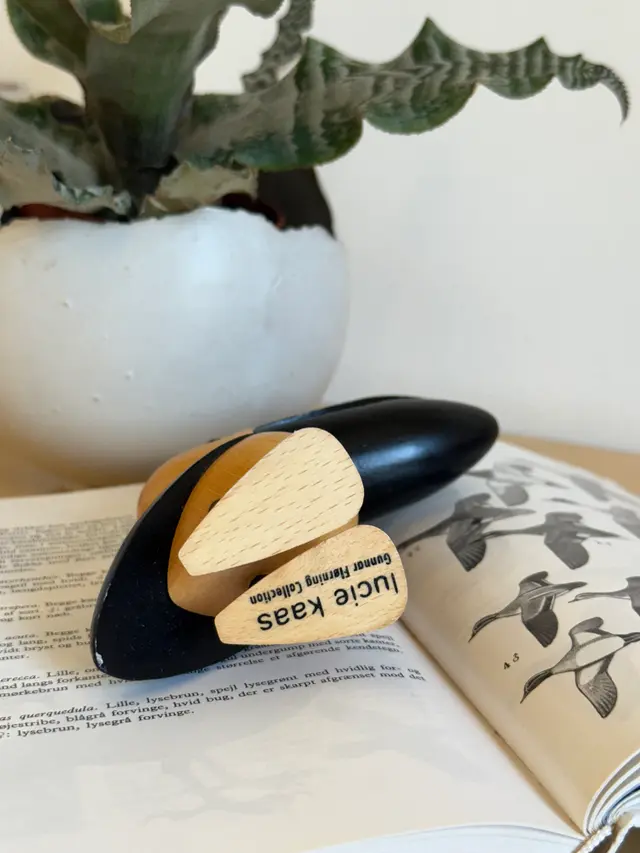
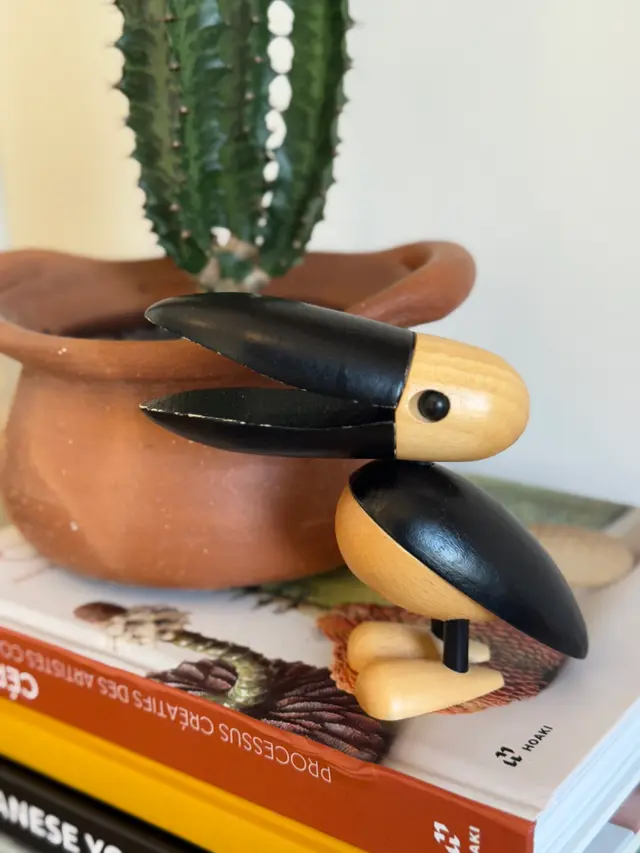
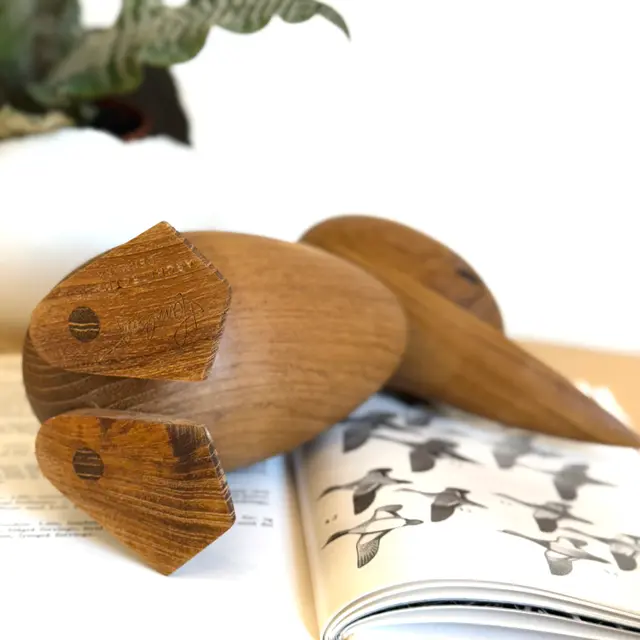
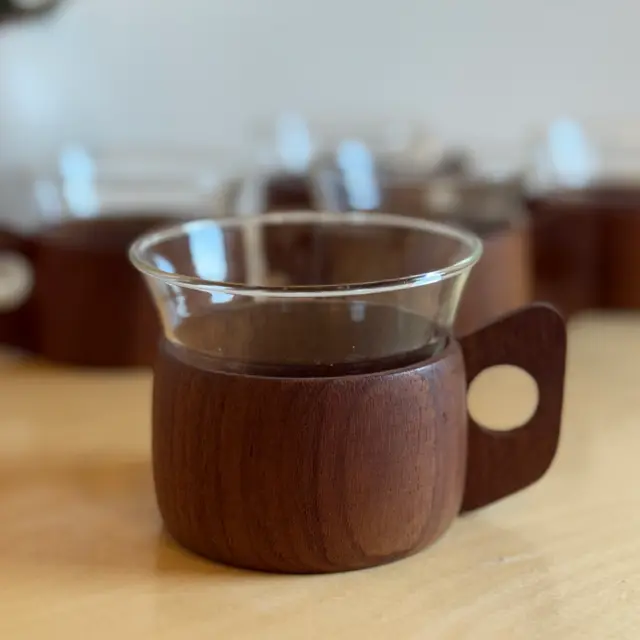
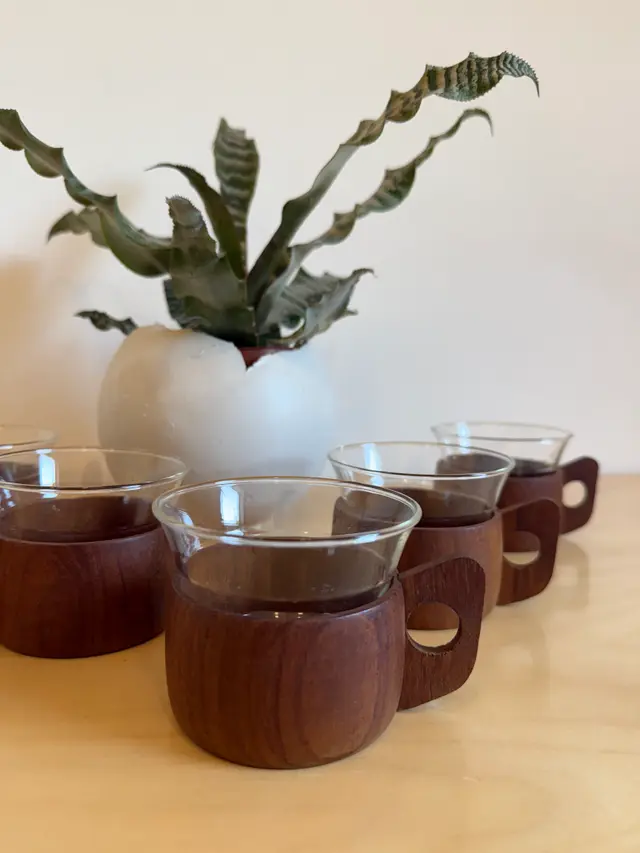
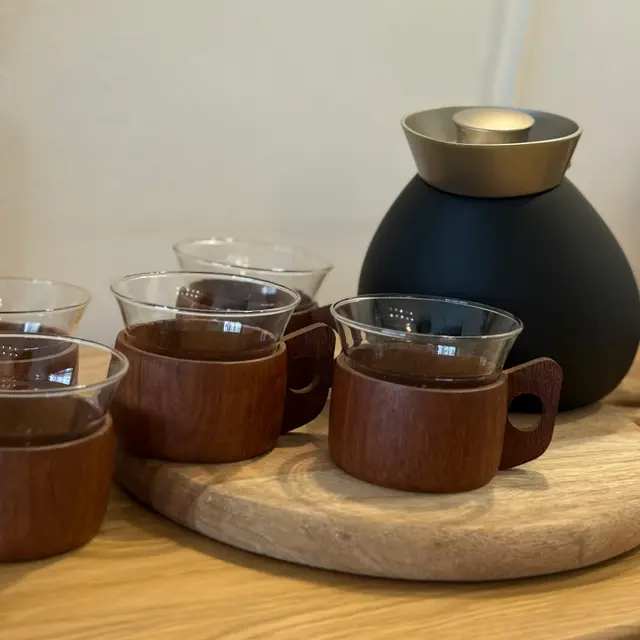
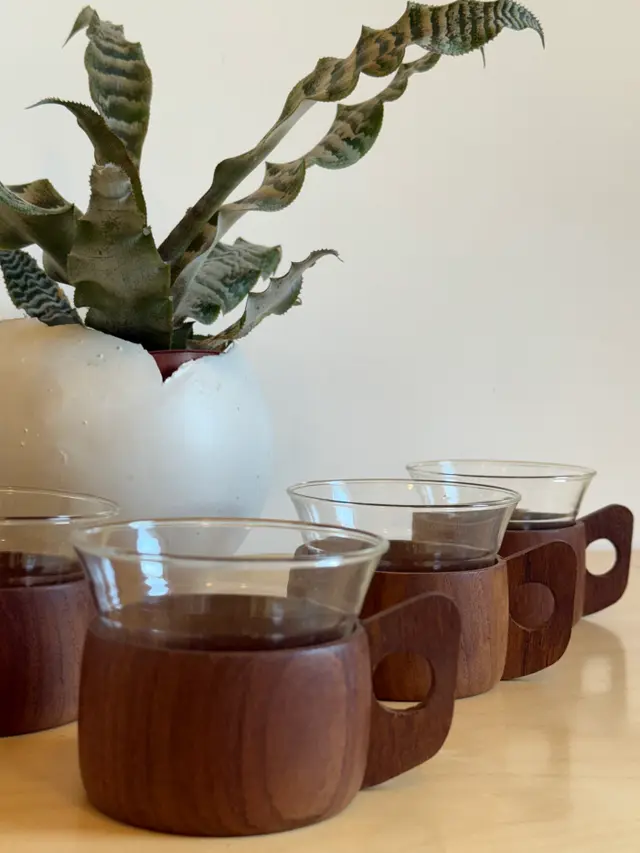
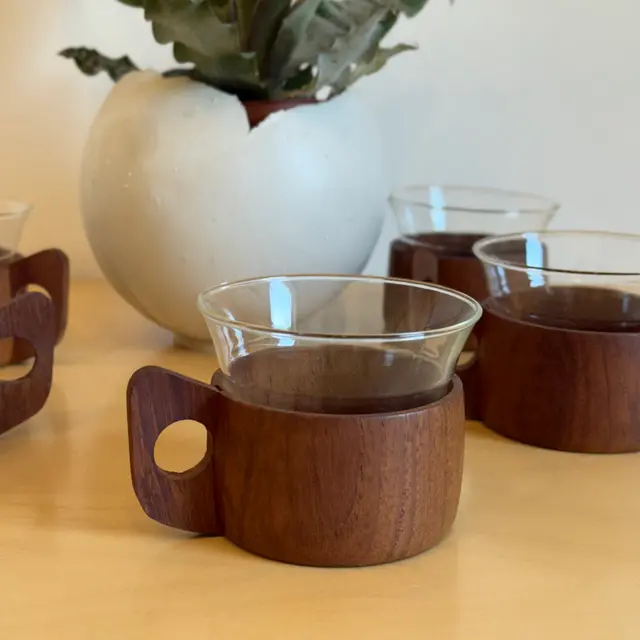
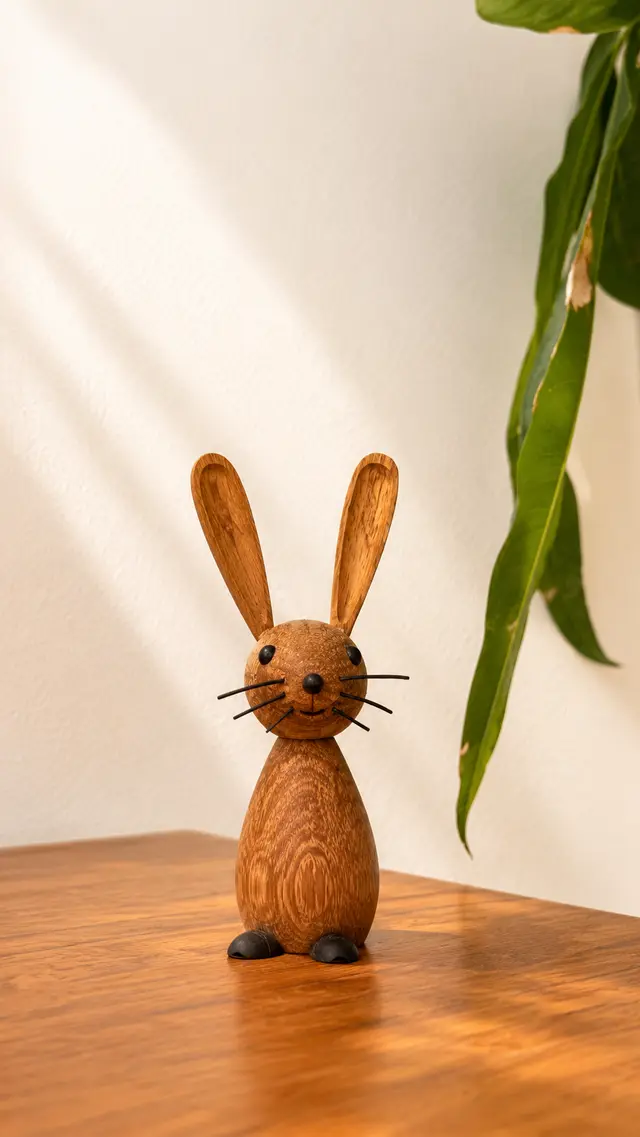
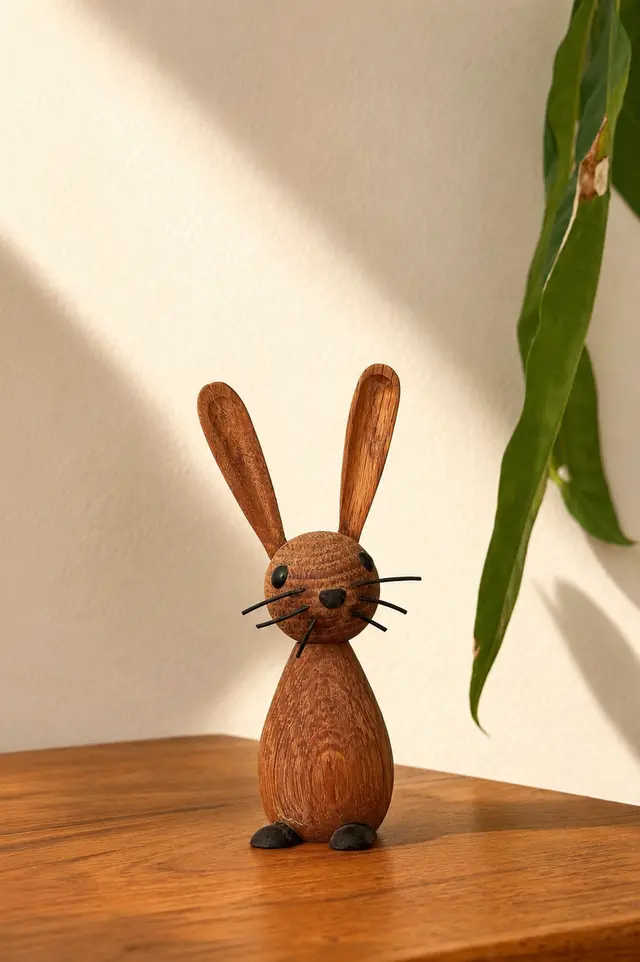
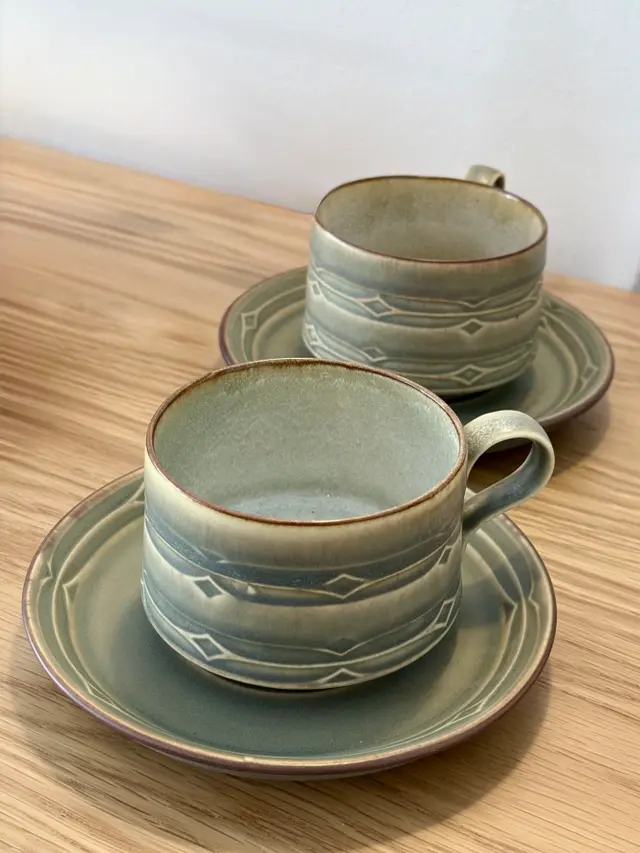
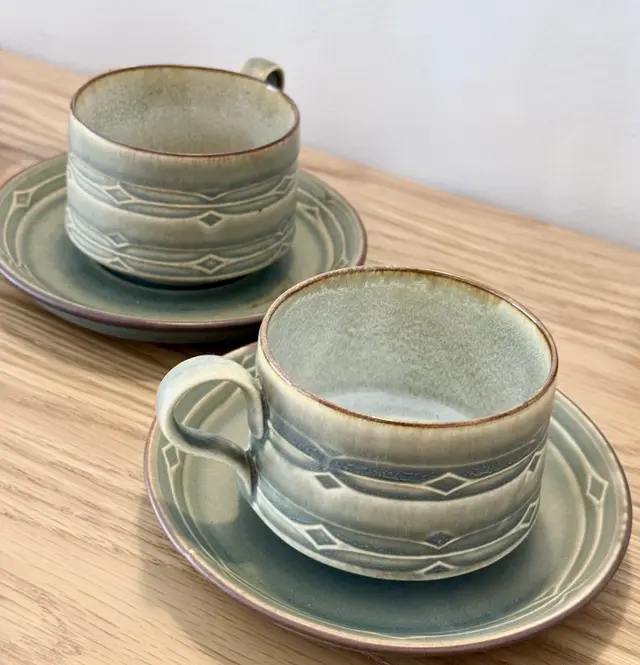
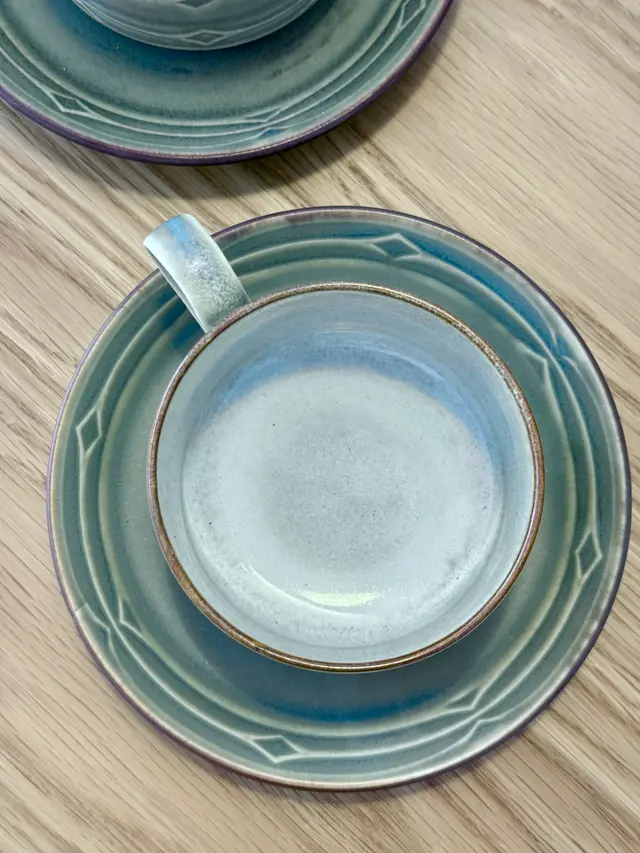
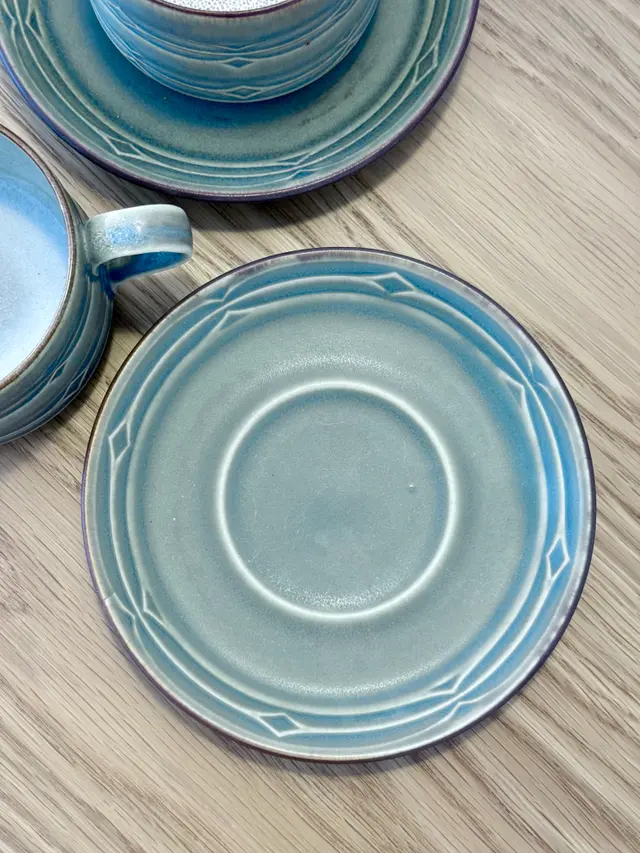
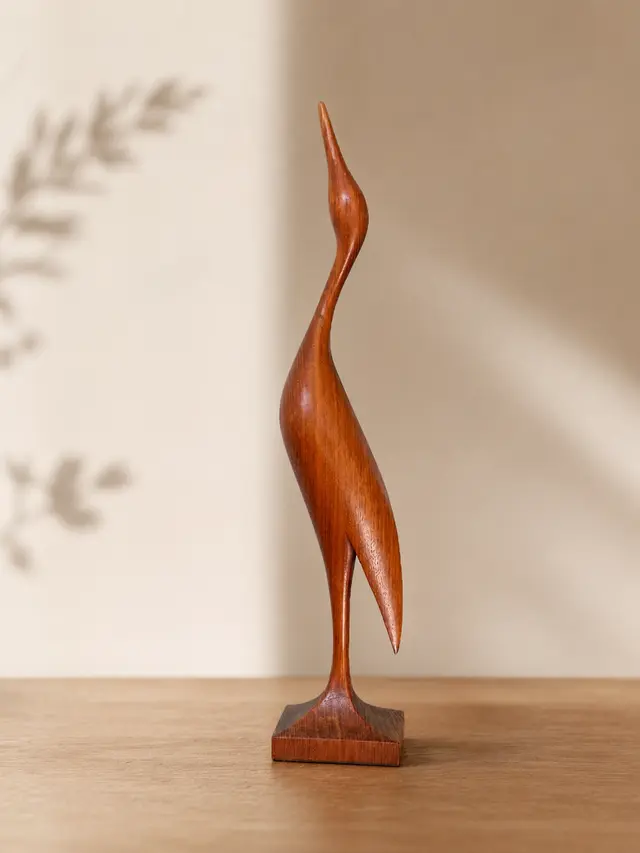
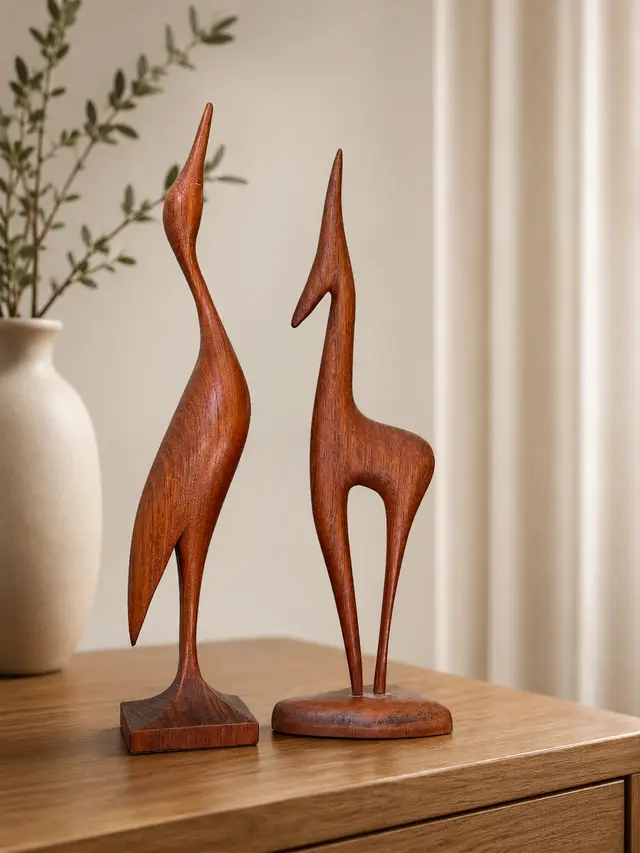
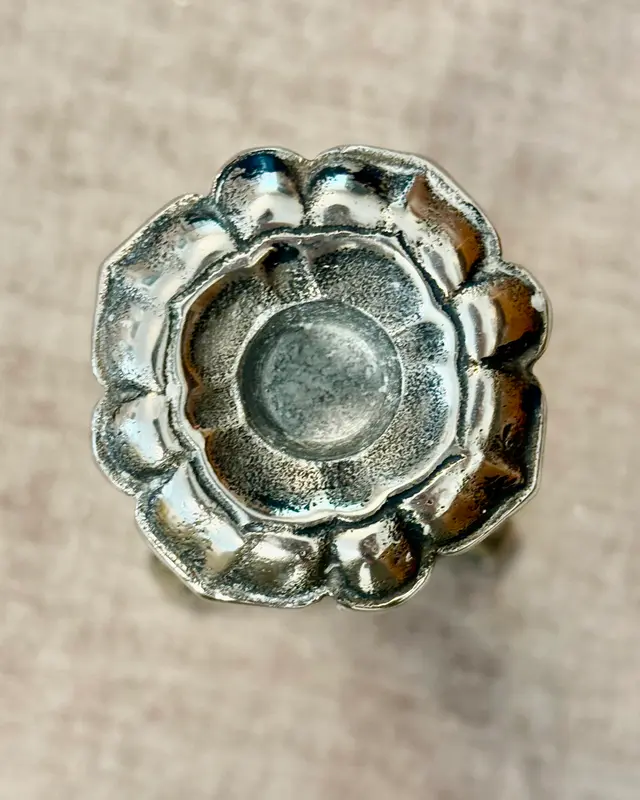
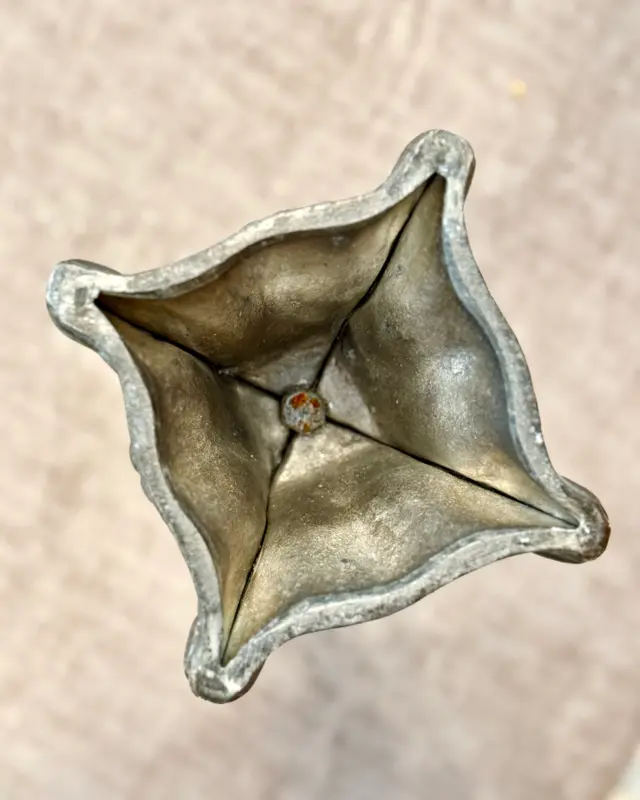
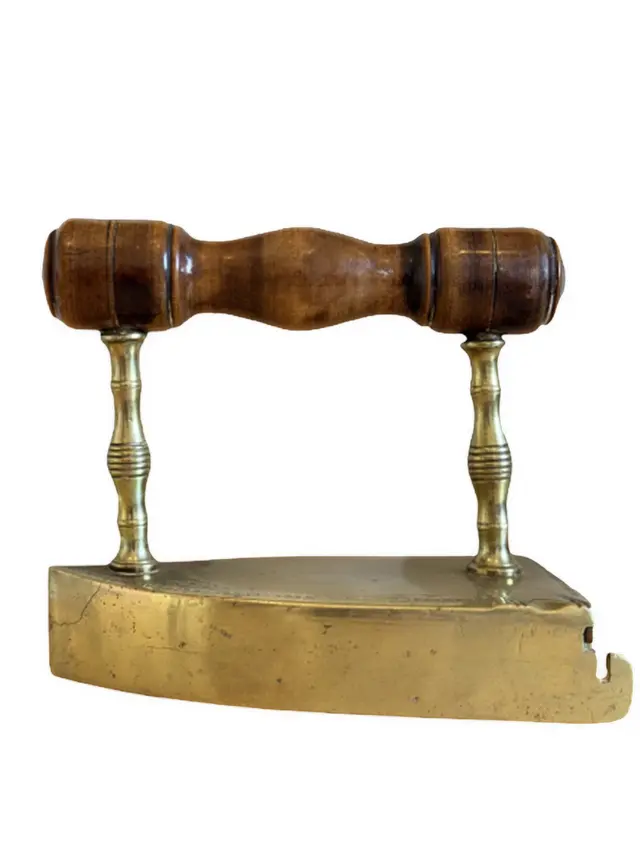
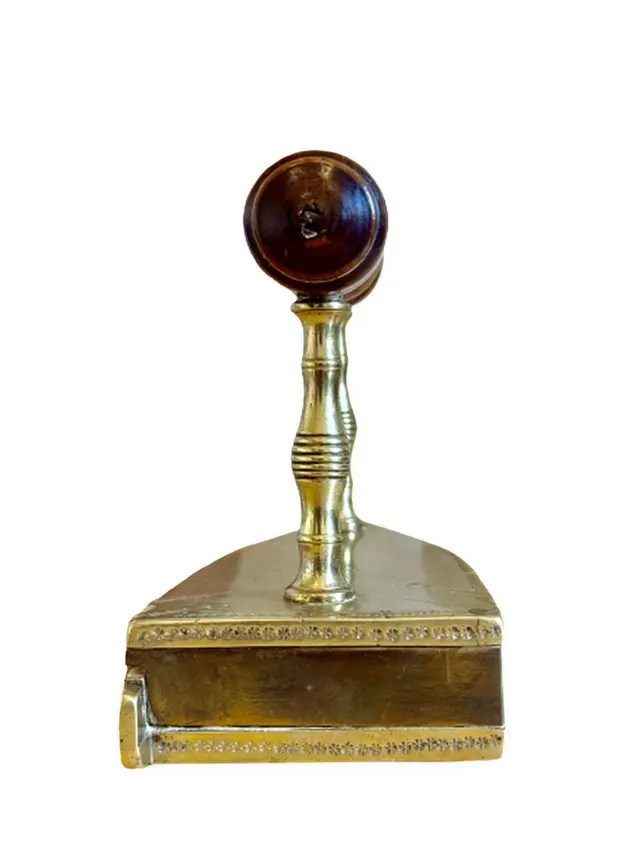
In the shop you will find lamps, candle holders, vases, bowls, brass, glass, ceramic, and special design objects I collect one by one in Denmark.
Some pieces stand for known traditions of Danish and Scandinavian design. Others are unsigned and not tied to a famous designer, but were chosen for form, material, proportion, or the way they can change a room.
I am not looking for a house in which every object is Danish. I am looking for Danish objects that can enter a house in Israel, meet what is already there, and take on a new life.
You can order on the site and choose between pickup in Tel Aviv and shipping across Israel. Because these are vintage pieces and second-hand finds, most items exist in a quantity of one.
The house does not have to be finished. In fact, the most interesting houses are probably never finished. They change with the people who live in them, and objects enter them not only because they fit what is already there, but because they open the possibility of something new.