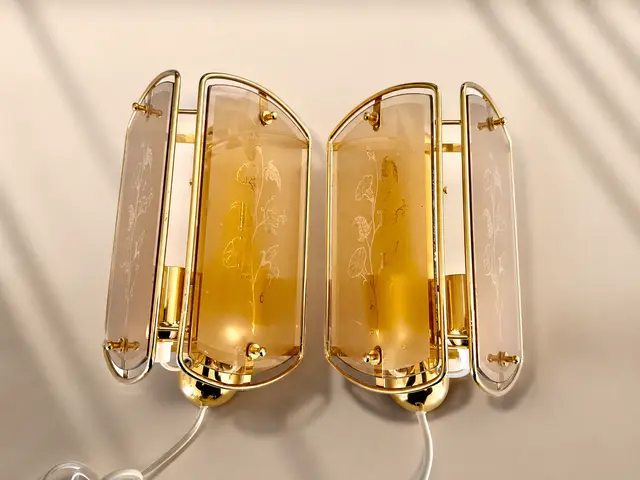
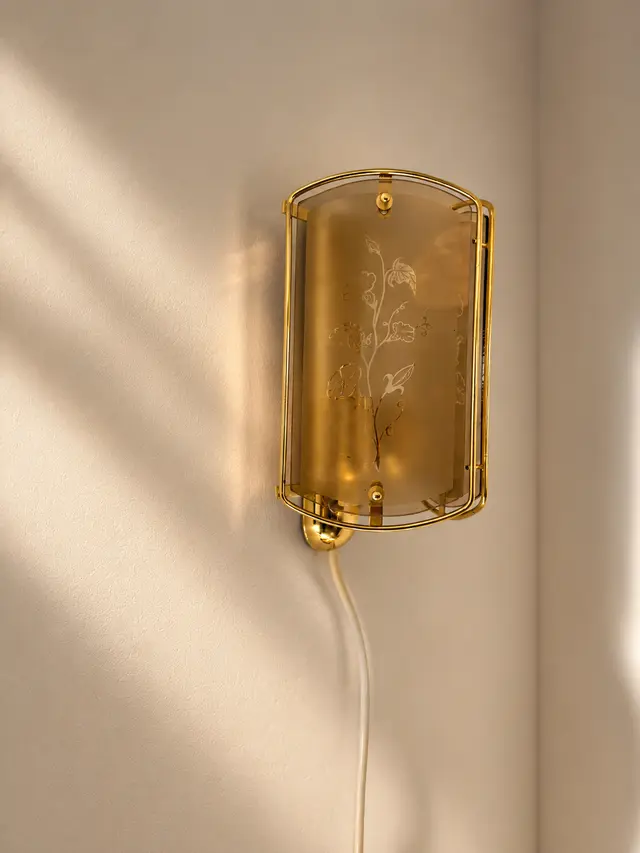
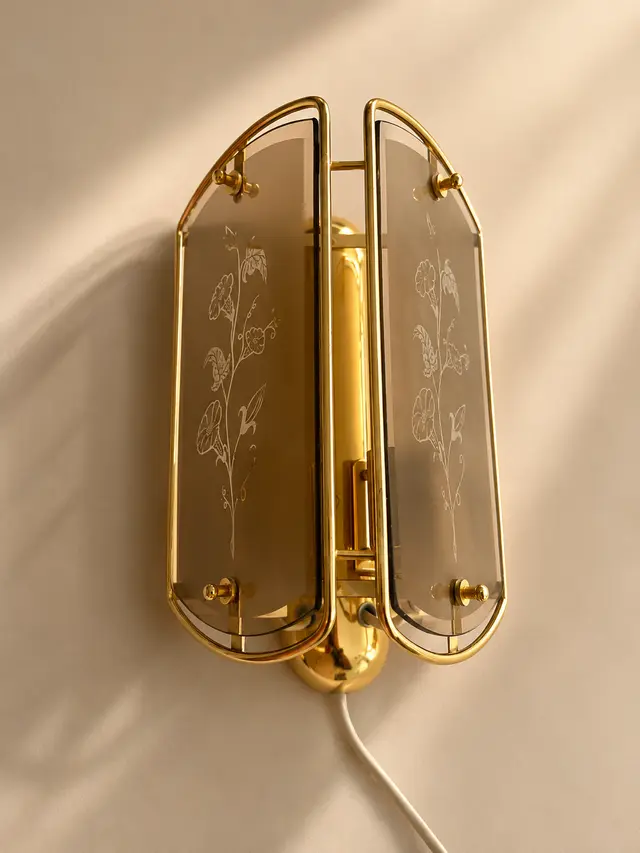
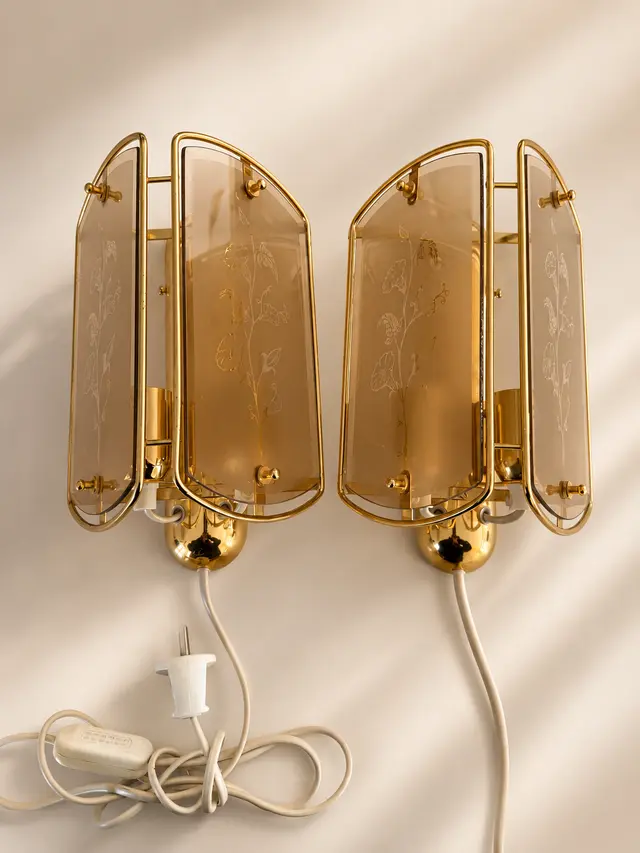
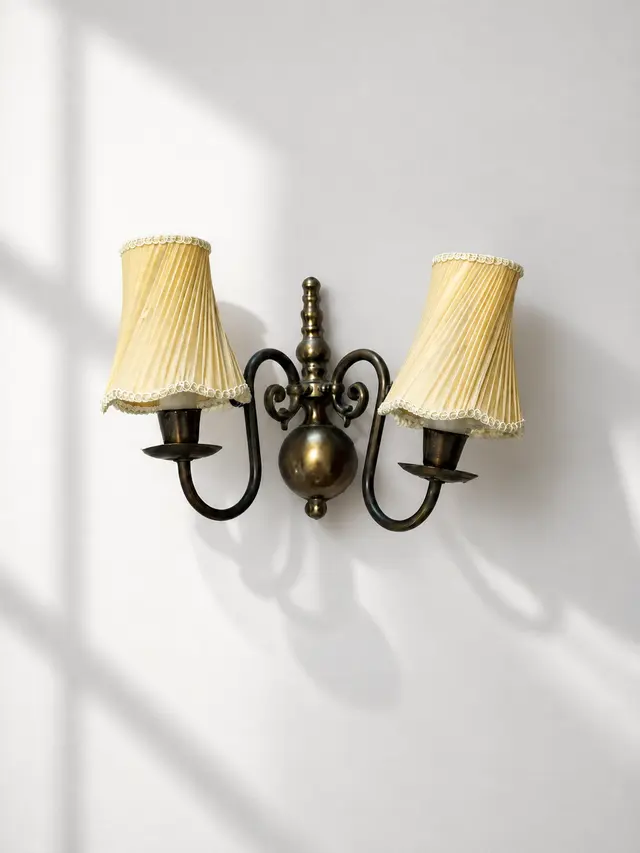
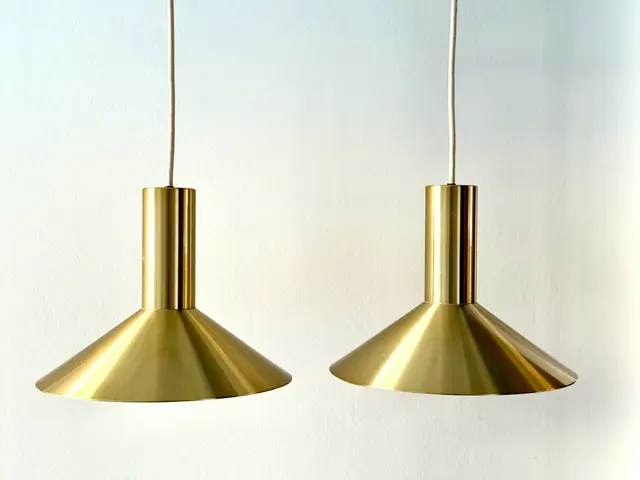
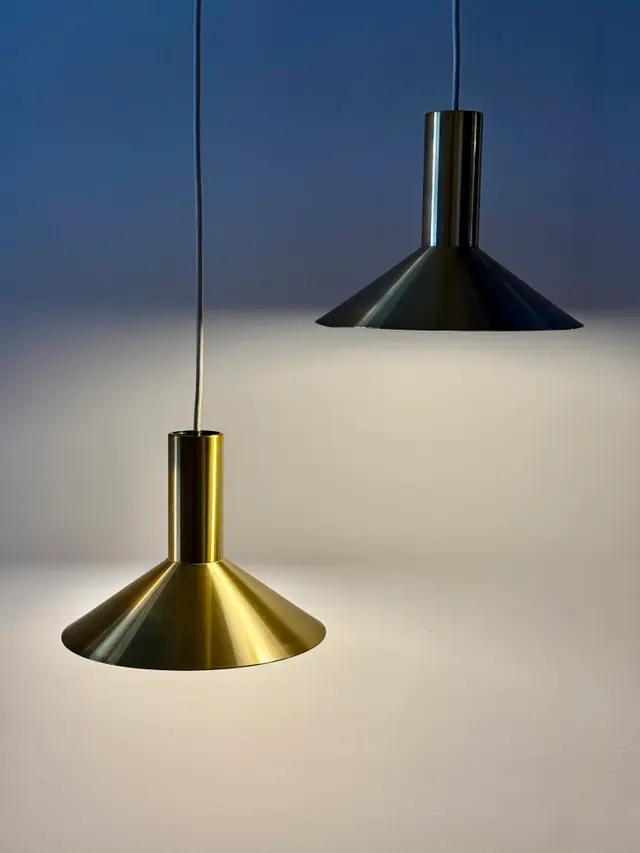
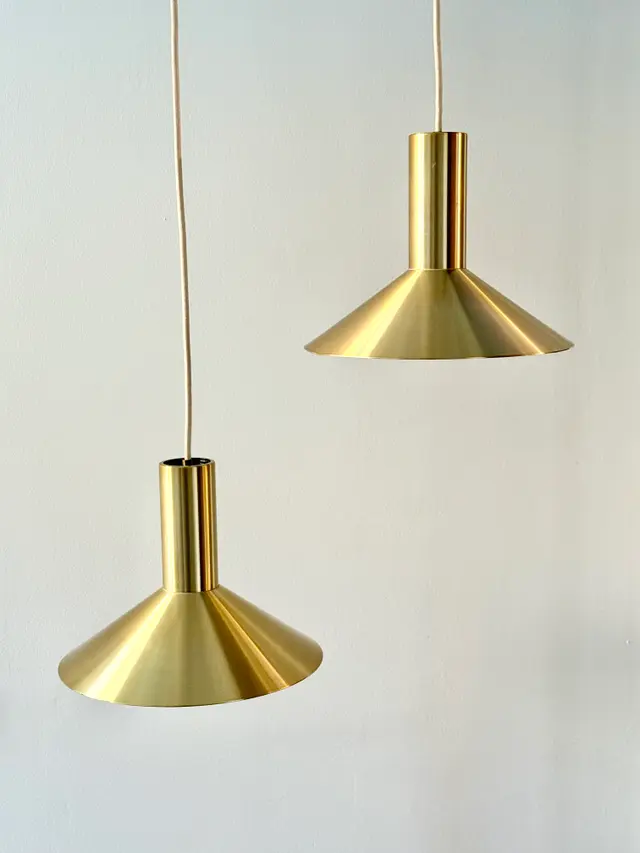
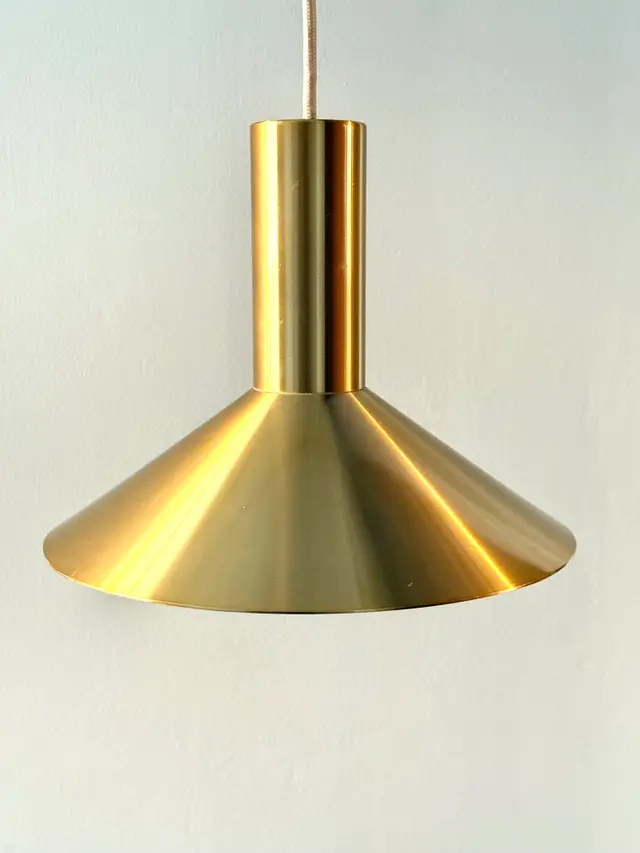
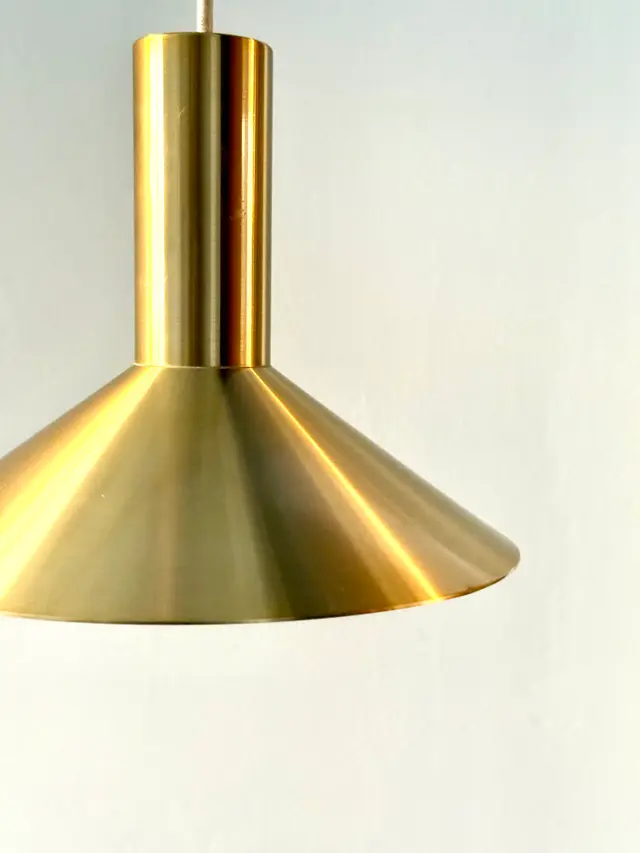
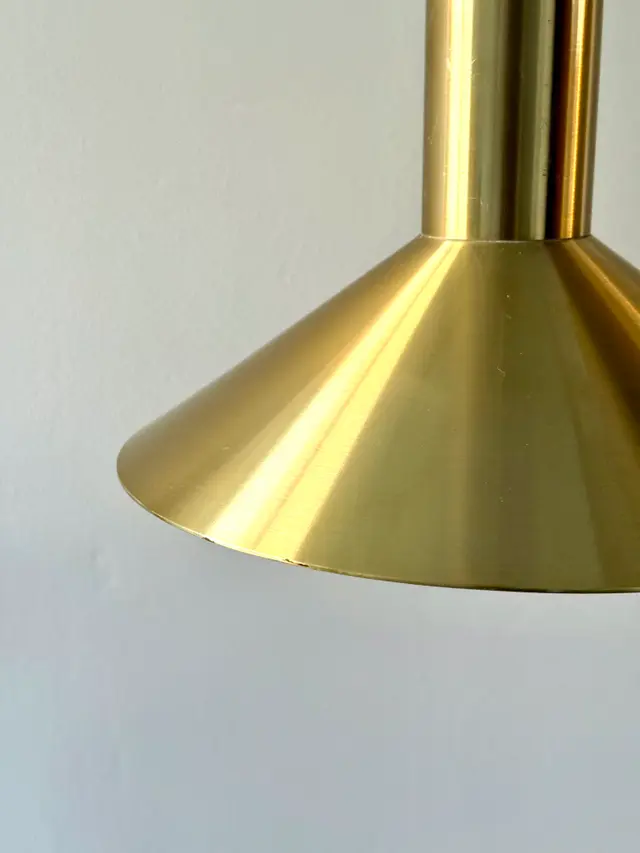
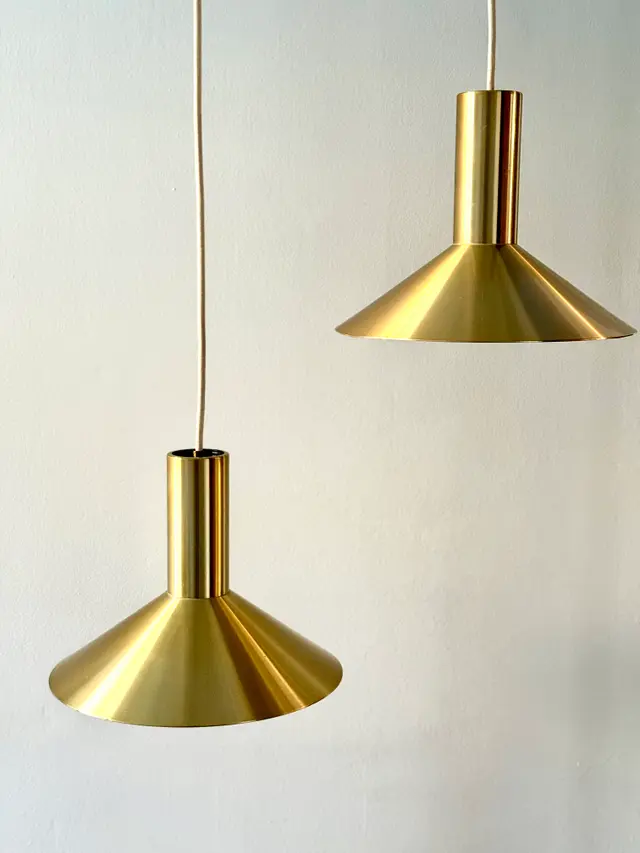
Vintage brass: the metal that changes with the house
Some materials try to stay exactly as they were the day they left the factory. Brass is not one of them.
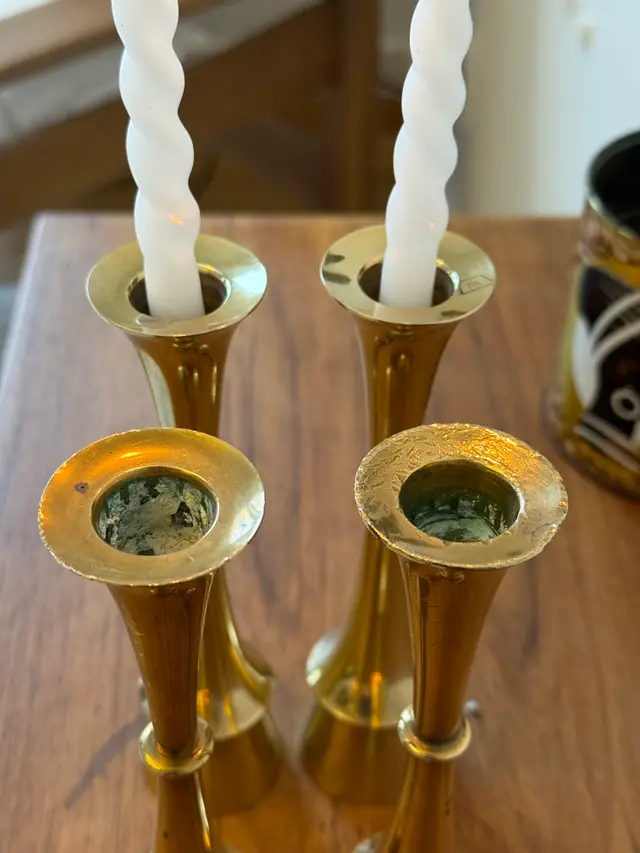
At first it can be pale, smooth, and almost as bright as gold. Then come air, moisture, fingerprints, and years. The tone grows deeper, the shine softens, and small spots and changes appear on the surface. Slowly the object stops looking new and begins to look as if it belongs to the place it is in.
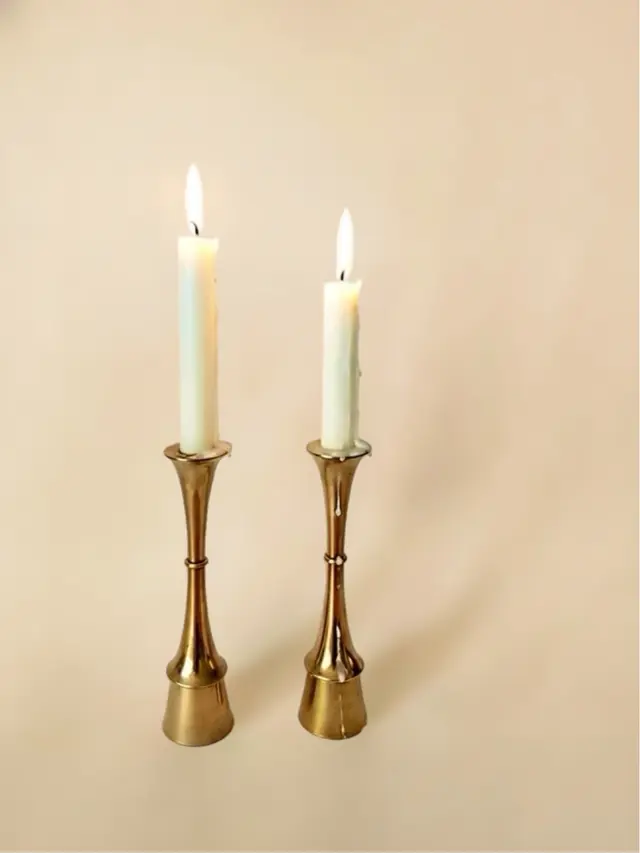
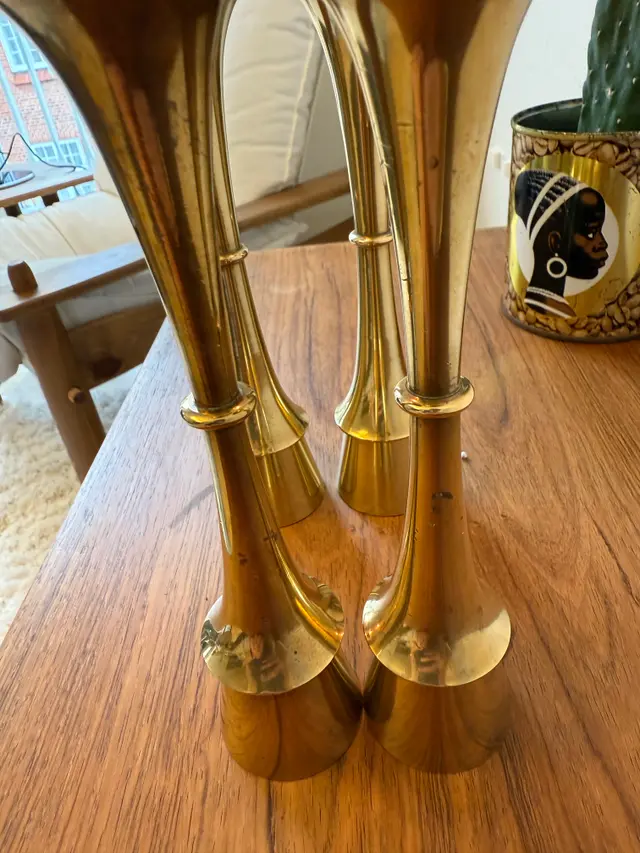
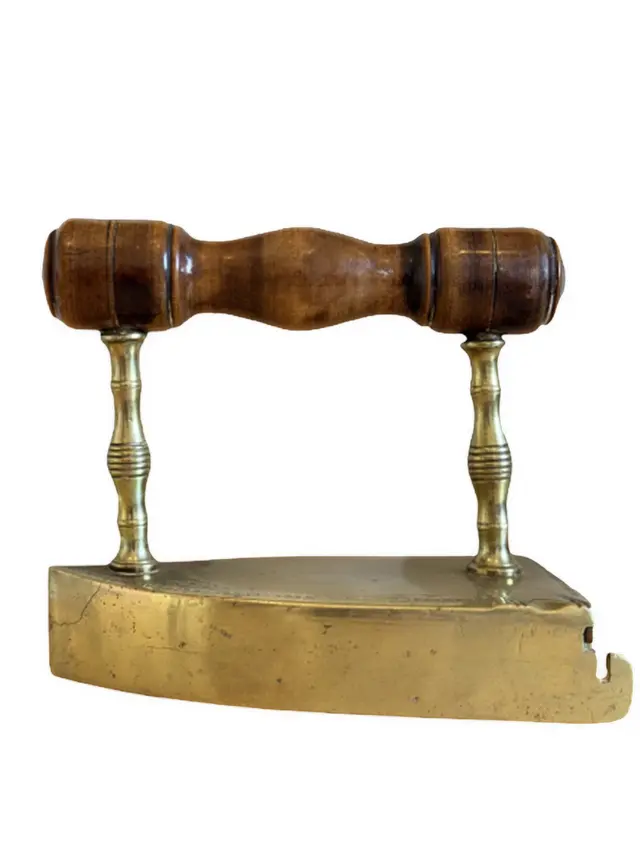
That is one reason I like collecting vintage brass candle holders, bowls, trays, and objects in Denmark. Brass throws light back, brings warmth into a house, and sits in almost any room — but it is never only a colour. It is a material that shows time.
What is brass?
Brass is an alloy made mainly of copper and zinc. The ratio of the metals, and any extra elements, change the colour, the hardness, and how the material ages.
Brass can be pale yellow, golden, brown, dark, or a little reddish. So two brass objects do not have to look the same, even if both are made of the same general kind of material. An object can also be solid brass, plated with a thin layer of brass, or made of another metal given a gold-toned finish.