April 4, 2026
Election Day: A Billionaire's Holiday in Israel versus a Regular Tuesday in Denmark
ההבדלים בין מערכות הבחירות בישראל ובדנמרק מראים כיצד תכנון מוסדי יכול לאפשר השתתפות דמוקרטית בלי להשבית מדינה שלמה.
Field notes are the raw material of anthropological thinking. They begin with close attention to what is seen, what is felt, and what is lived. They record the meeting point between the observer and the world — the place where experience becomes interpretation, and observation settles into cultural insight.
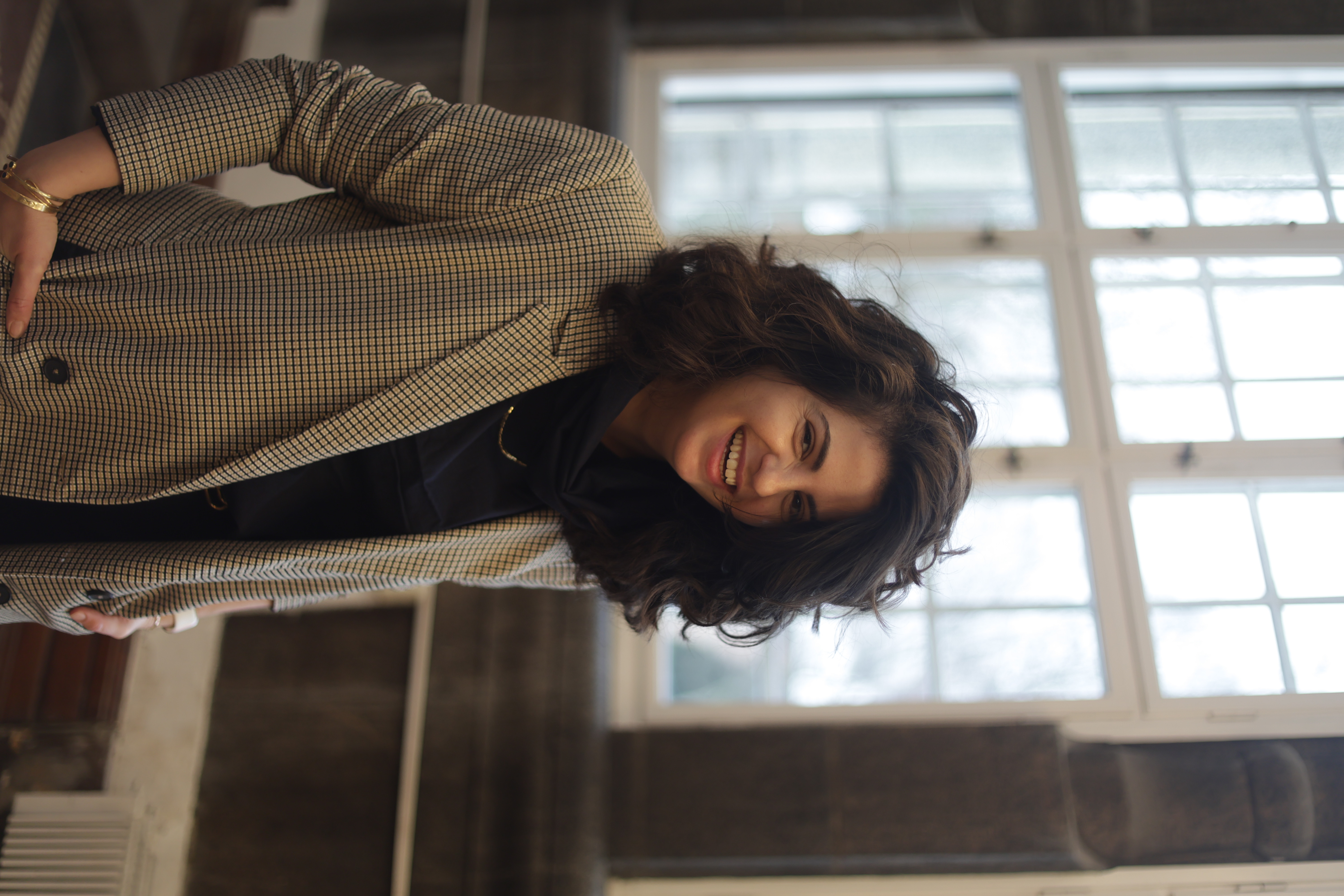
I am Naama Cohen, an Israeli anthropologist living in Copenhagen. Denmark is my home, but it is also my field of observation and research: a place that lets me look closely at how culture, institutions, spaces, and objects shape everyday life. I write from inside that life — from the children's daycare, from cycling through the city, from cafés and flea markets, from encounters with neighbours, from the university, from the street, and from home.
The anthropological gaze lingers on the things that are easiest to take for granted. Why, in Denmark, is snow cleared from the bike lanes before it is cleared from some of the roads? How does a Danish kindergarten teach independence and belonging? What can be learned from a dining table, a shared courtyard, or the light in a window? And how do decisions that look small — the placement of a bench, the design of a supermarket, or the shape of a university exam — express broader ideas of trust, community, equality, and responsibility?
The articles in this section are about culture and society in Denmark, life in Copenhagen, parenting and education, design and architecture, public space, the welfare state, religion, identity, and material culture. Some begin from a small everyday event; others take on institutions, Danish concepts, and wider social systems. In all of them I try to understand not only what Danes do differently, but which conditions allow things to work the way they do.
My gaze moves between Denmark and Israel. The comparison is not meant to decide which society is better. It is meant to expose the hidden assumptions we live inside. The encounter between the two places makes it possible to ask what feels natural to us even though it is the product of culture, planning, and policy — and what might change if we imagined other possibilities.
Here you can read about Danish culture from the inside, encounter concepts and habits from everyday life in Denmark, and see how infrastructures, institutions, and spaces shape the way people live together. These are not only notes about somewhere else. They are an invitation to use Denmark in order to look again at the society we come from, the environments we make, and the lives we would like to build.
Newsletter
New field notes in English, delivered to your inbox. No spam, unsubscribe any time.
Denmark is usually described through its results — low inequality, high trust, short working days. These notes look at the mechanisms underneath: the unwritten rules, the habits nobody explains to a newcomer, and the assumptions that make an ordinary Danish Tuesday feel the way it does.
ההבדלים בין מערכות הבחירות בישראל ובדנמרק מראים כיצד תכנון מוסדי יכול לאפשר השתתפות דמוקרטית בלי להשבית מדינה שלמה.
חג הפסטלאון בגן ילדים דני חושף כיצד בחירה אישית נוצרת בתוך נורמות חברתיות, השתייכות קבוצתית וציפיות שקטות.
מפגש בין ישראלית לאיראניות בקופנהגן חושף אילו קולות זוכים ללגיטימיות בשיח הציבורי הדני — ואילו נותרים מחוץ לו.
פינוי השלג משבילי האופניים בקופנהגן מראה כיצד סדרי עדיפויות עירוניים הופכים רכיבה לתשתית אמינה ולא לבחירה אישית מסוכנת.
השוואה בין יאנטלובן הדני לפולחן המצוינות הישראלי בוחנת כיצד חינוך לתחרות או להשתלבות מעצב יחידים, מוסדות ואת היכולת לחיות יחד.
תצפית בפעוטון דני מחברת בין אשמה הורית, גברים במקצועות הטיפול והאפשרות לגדל ילדים בתוך מודלים מגוונים יותר של גבריות.
השוואה בין סופרמרקטים בישראל ובדנמרק מראה כיצד אדריכלות ועיצוב שירות יכולים לייצר תחרות, אמון או שיתוף פעולה בחיי היומיום.
המושג הדני Tryghed מסביר כיצד תכנון עירוני, אמון ותשתיות יומיומיות יוצרים בקופנהגן תחושה חומרית של ביטחון ורווחה.
שוקי הפשפשים בדנמרק מגלים כיצד מסחר יד שנייה מחבר בין חפצים, זיכרון, איכות חומרית וכלכלה מקומית בחיי היומיום.
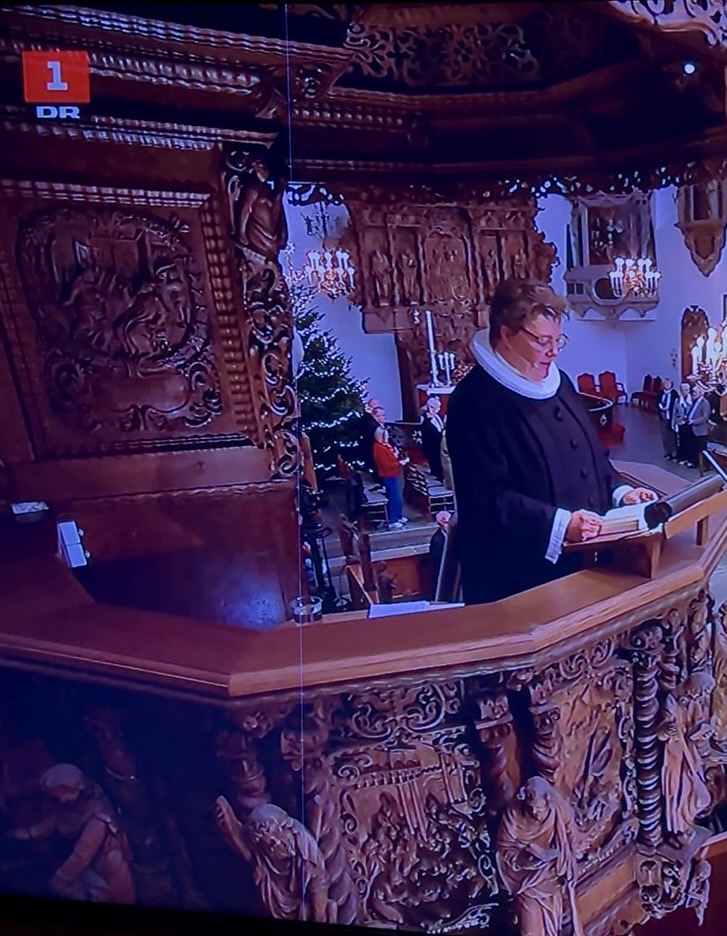
ביקור בכנסייה ביוטלנד חושף כיצד המדינה הדנית משלבת דת, מסורת וחילוניות באמצעות מוסדות שמעדיפים השתייכות מעשית על אמונה מוחלטת.
השוואה בין שולחנות אוכל בישראל ובדנמרק מראה כיצד צורה, גודל ומיקום מעצבים אירוח, היררכיה, אינטימיות ותחושת שייכות.
ההבדלים בין מבחנים באוניברסיטאות בדנמרק ובאוקספורד חושפים תפיסות שונות של ידע, סמכות אקדמית, שיתוף פעולה ומהות הלמידה.
הפער בין המחאות ברחובות קופנהגן לסיקור איראן בתקשורת הדנית בוחן כיצד מסגרות פוליטיות קובעות אילו מאבקים זוכים לנראות ציבורית.
בחורף החשוך של קופנהגן, התאורה הדנית אינה רק עיצוב פנים: היא טכנולוגיה תרבותית שמארגנת מצב רוח, ביתיות ותחושת ביטחון.
מבט היסטורי־אנתרופולוגי בוחן כיצד יהדות אירופה הפכה זהות דתית לרצף בינארי, ודחקה מסורות יהודיות גמישות מהמזרח התיכון.
מודל המימון של ההשכלה הגבוהה בדנמרק מראה כיצד מדיניות תקציבית קושרת בין ידע, רלוונטיות ציבורית ואחריות האוניברסיטאות לחברה.
Copenhagen is my field site. These notes stay close to the ground: a conversation in a café, a statue in Ørstedsparken I read wrong, a march moving through the city, a neighbourhood that behaves differently after dark.
מפגש בין ישראלית לאיראניות בקופנהגן חושף אילו קולות זוכים ללגיטימיות בשיח הציבורי הדני — ואילו נותרים מחוץ לו.
השוואה בין יאנטלובן הדני לפולחן המצוינות הישראלי בוחנת כיצד חינוך לתחרות או להשתלבות מעצב יחידים, מוסדות ואת היכולת לחיות יחד.
פסל בגן Ørstedsparken בקופנהגן הופך למראה אנתרופולוגית לבחינת מגדר, כוח והאופן שבו מבט פמיניסטי משתנה בין ישראל לדנמרק.
חגיגות נורוז בקופנהגן יוצרות מרחב ציבורי שבו ישראלים ואיראנים יכולים להיפגש מחוץ למסגרות הפוליטיות שמגדירות אותם כאויבים.
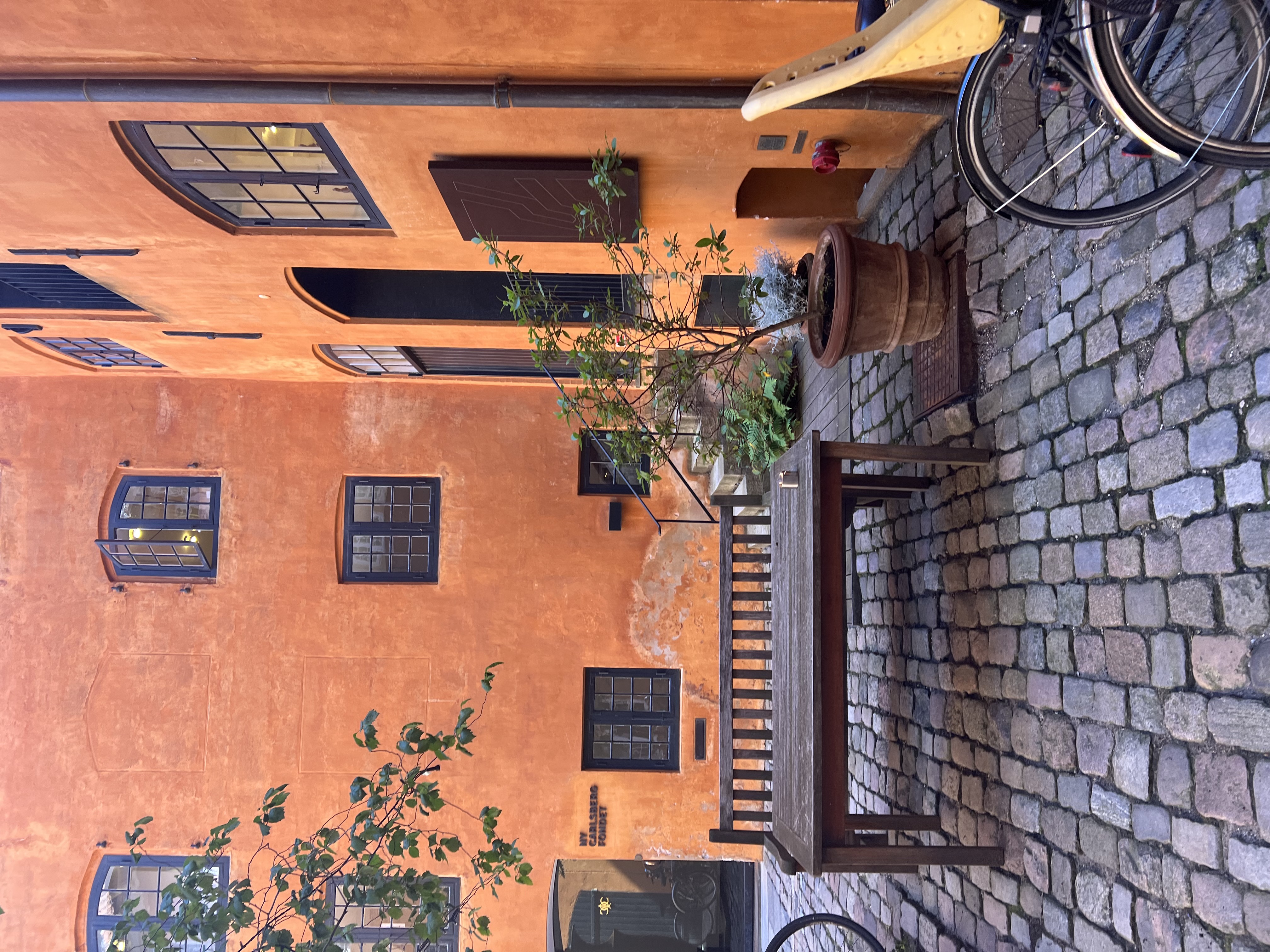
החצרות המשותפות של קופנהגן מדגימות כיצד אדריכלות מגורים יכולה להפוך שכנות, מפגש וקהילה מחזון מופשט לפרקטיקה יומיומית.
תאורת הרחוב בקופנהגן מראה כיצד עיצוב אור בקנה מידה אנושי הופך את העיר בלילה למרחב ציבורי ביתי, בטוח ואינטימי.
הפער בין המחאות ברחובות קופנהגן לסיקור איראן בתקשורת הדנית בוחן כיצד מסגרות פוליטיות קובעות אילו מאבקים זוכים לנראות ציבורית.
Public space is an argument made in concrete, asphalt, and light. Which surface is cleared of snow first, how bright a street is at night, whether a courtyard belongs to everyone or to no one — each of these choices quietly distributes safety, freedom, and belonging.
שוקי היד השנייה בקופנהגן מראים כיצד מרחב עירוני, תחבורה ולוגיסטיקה הופכים כלכלה מעגלית לבחירה נגישה, משתלמת ויומיומית.
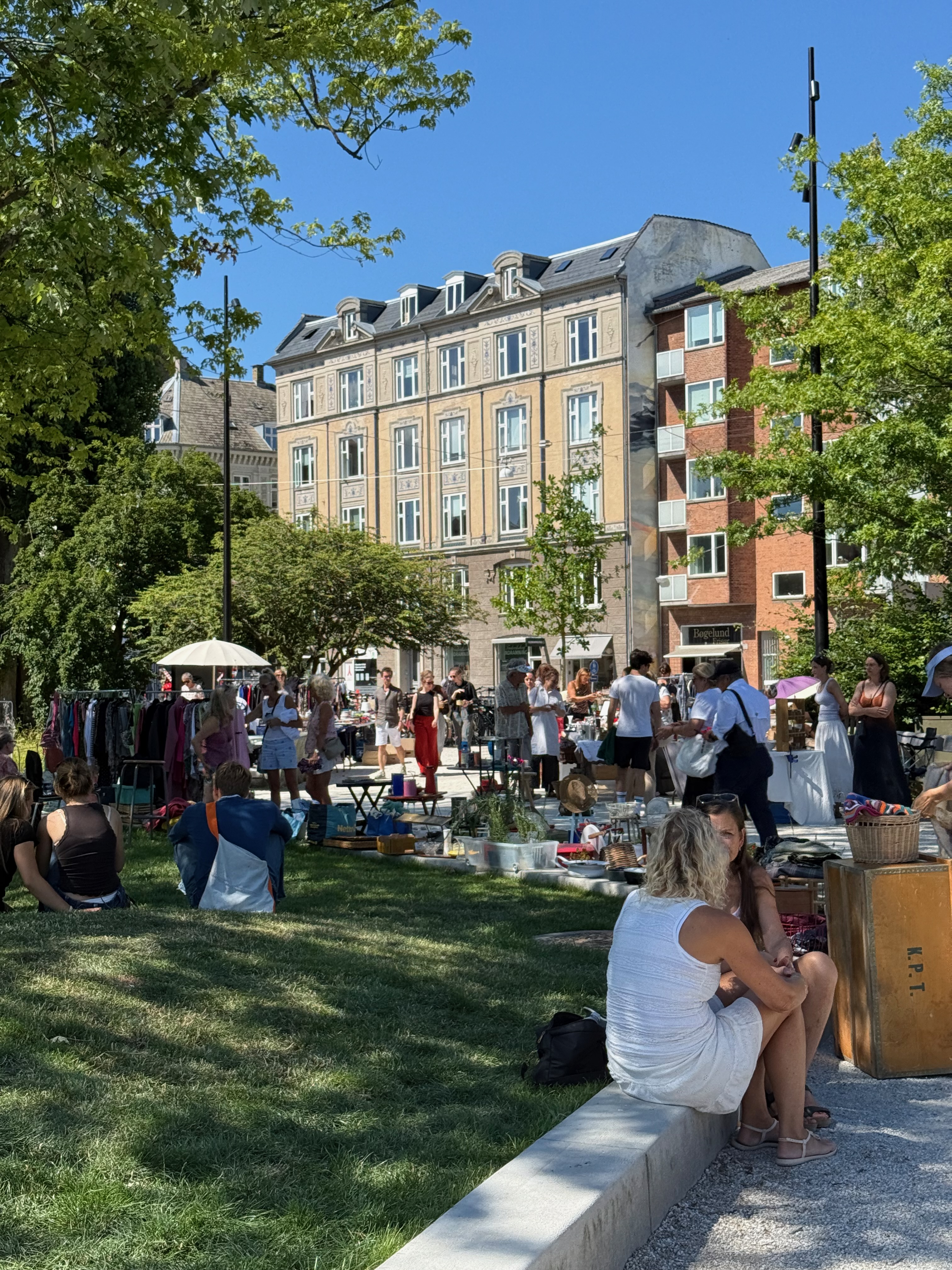
המרכז הקהילתי KU.BE בקופנהגן מדגים כיצד תכנון פרגמטי יכול להכיל ילדים, אי־סדר והתנהגויות לא־נורמטיביות במרחב הציבורי.
פינוי השלג משבילי האופניים בקופנהגן מראה כיצד סדרי עדיפויות עירוניים הופכים רכיבה לתשתית אמינה ולא לבחירה אישית מסוכנת.
השוואה בין סופרמרקטים בישראל ובדנמרק מראה כיצד אדריכלות ועיצוב שירות יכולים לייצר תחרות, אמון או שיתוף פעולה בחיי היומיום.
המושג הדני Tryghed מסביר כיצד תכנון עירוני, אמון ותשתיות יומיומיות יוצרים בקופנהגן תחושה חומרית של ביטחון ורווחה.
פסל בגן Ørstedsparken בקופנהגן הופך למראה אנתרופולוגית לבחינת מגדר, כוח והאופן שבו מבט פמיניסטי משתנה בין ישראל לדנמרק.
חגיגות נורוז בקופנהגן יוצרות מרחב ציבורי שבו ישראלים ואיראנים יכולים להיפגש מחוץ למסגרות הפוליטיות שמגדירות אותם כאויבים.
מפגש בשלג בקופנהגן בוחן כיצד שוויון מגדרי וסולידריות יומיומית משנים את היחסים בין עזרה, עצמאות והדמות המסורתית של הג׳נטלמן.
החצרות המשותפות של קופנהגן מדגימות כיצד אדריכלות מגורים יכולה להפוך שכנות, מפגש וקהילה מחזון מופשט לפרקטיקה יומיומית.
רצפת העץ בנמל התעופה של קופנהגן חושפת כיצד עיצוב דני משלב חומריות, תחזוקה ואמון בהתנהגותם של המשתמשים במרחב הציבורי.
תאורת הרחוב בקופנהגן מראה כיצד עיצוב אור בקנה מידה אנושי הופך את העיר בלילה למרחב ציבורי ביתי, בטוח ואינטימי.
Childcare and schooling are where a culture states its values out loud: how early a child is trusted on their own, what a good exam looks like, whether a father working in a daycare is unremarkable or worth mentioning.
On the challenges of parenting and social norms in Denmark, and the conflict between everyday reality and cultural judgment.
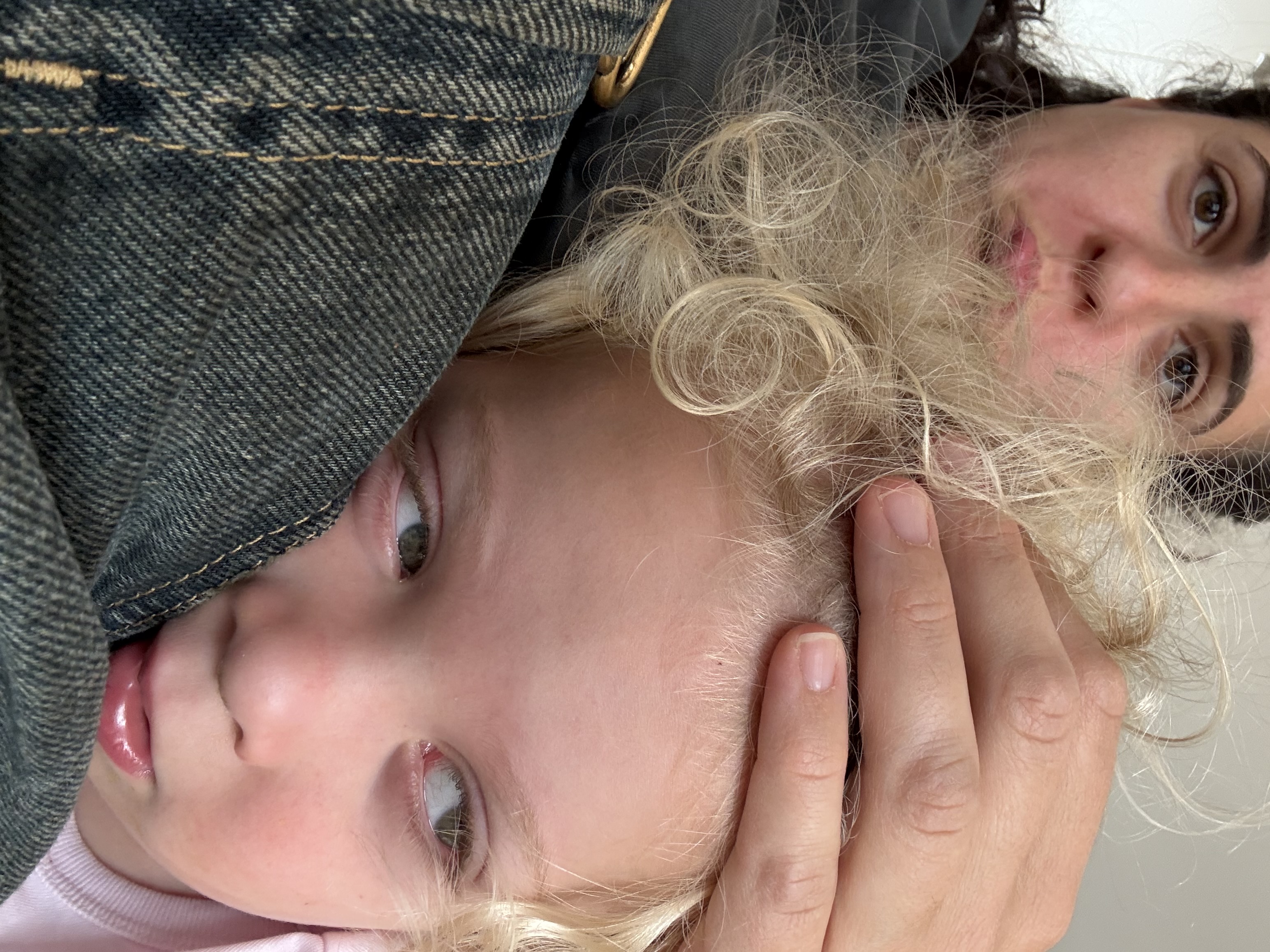
המרכז הקהילתי KU.BE בקופנהגן מדגים כיצד תכנון פרגמטי יכול להכיל ילדים, אי־סדר והתנהגויות לא־נורמטיביות במרחב הציבורי.
תצפית בפעוטון דני מחברת בין אשמה הורית, גברים במקצועות הטיפול והאפשרות לגדל ילדים בתוך מודלים מגוונים יותר של גבריות.
מפגש בשלג בקופנהגן בוחן כיצד שוויון מגדרי וסולידריות יומיומית משנים את היחסים בין עזרה, עצמאות והדמות המסורתית של הג׳נטלמן.
ההבדלים בין מבחנים באוניברסיטאות בדנמרק ובאוקספורד חושפים תפיסות שונות של ידע, סמכות אקדמית, שיתוף פעולה ומהות הלמידה.
מודל המימון של ההשכלה הגבוהה בדנמרק מראה כיצד מדיניות תקציבית קושרת בין ידע, רלוונטיות ציבורית ואחריות האוניברסיטאות לחברה.
Objects are not only an expression of taste. A dining table decides how a conversation is held; a lamp decides when the evening begins; a wooden floor in an airport tells arriving passengers what kind of country they have landed in.
שוקי היד השנייה בקופנהגן מראים כיצד מרחב עירוני, תחבורה ולוגיסטיקה הופכים כלכלה מעגלית לבחירה נגישה, משתלמת ויומיומית.
שוקי הפשפשים בדנמרק מגלים כיצד מסחר יד שנייה מחבר בין חפצים, זיכרון, איכות חומרית וכלכלה מקומית בחיי היומיום.
השוואה בין שולחנות אוכל בישראל ובדנמרק מראה כיצד צורה, גודל ומיקום מעצבים אירוח, היררכיה, אינטימיות ותחושת שייכות.
רצפת העץ בנמל התעופה של קופנהגן חושפת כיצד עיצוב דני משלב חומריות, תחזוקה ואמון בהתנהגותם של המשתמשים במרחב הציבורי.
המשיכה היפנית לקרמיקה דנית וינטג׳ חושפת מפגש בין חומריות, מלאכת יד ותחושת הנוקומורי — החום השקט שחפצים אוצרים בתוכם.
בחורף החשוך של קופנהגן, התאורה הדנית אינה רק עיצוב פנים: היא טכנולוגיה תרבותית שמארגנת מצב רוח, ביתיות ותחושת ביטחון.
העיצוב של ינס קוויסטגורד מחבר בין מלאכת היד הדנית לרגישות היפנית לחומר, שימוש וזמן — ומסביר את מעמדו המיוחד ביפן.
Newsletter
New field notes in English, delivered to your inbox. No spam, unsubscribe any time.