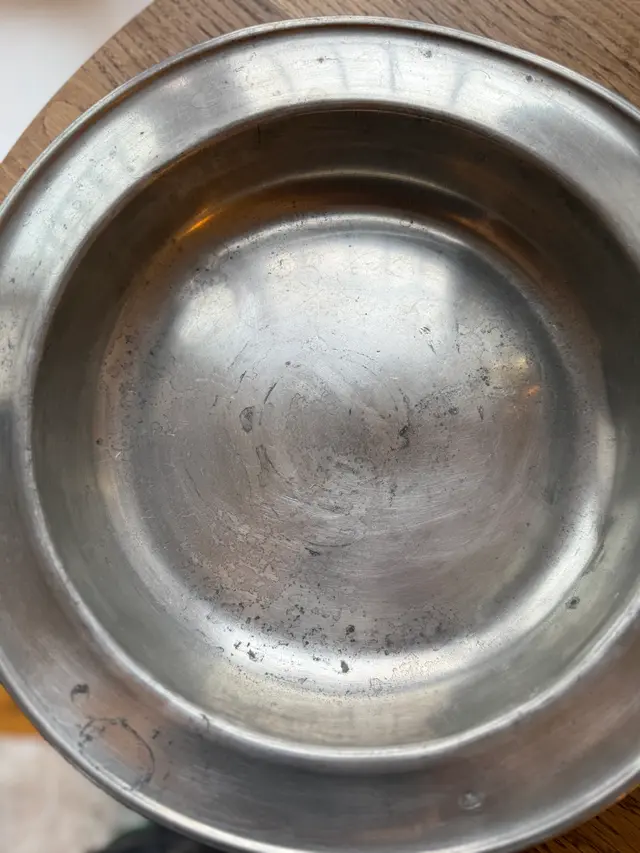
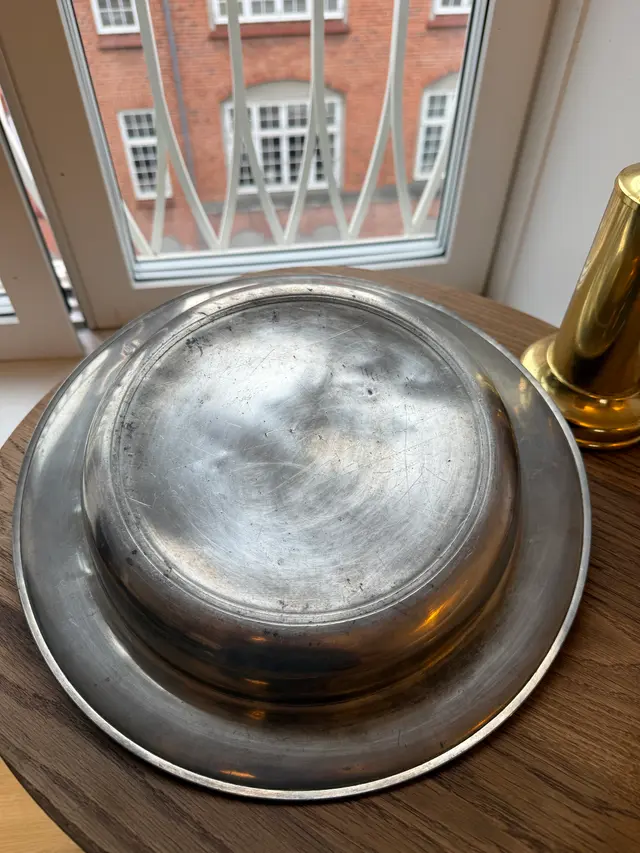
Vintage pewter and tin: the grey metal of Scandinavian design
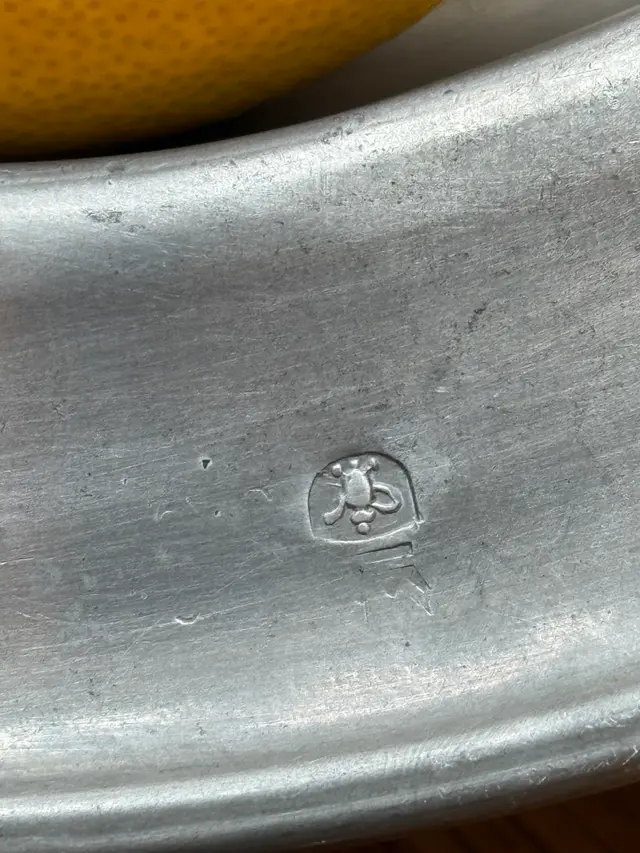
Between the golden shine of brass and the festive glow of silver sits another metal, quieter. It is grey, a little heavy, sometimes smooth and sometimes full of engraving, patina, and marks. It does not try to look expensive, and still it has a presence you cannot ignore.
This is the family of pewter and tin.
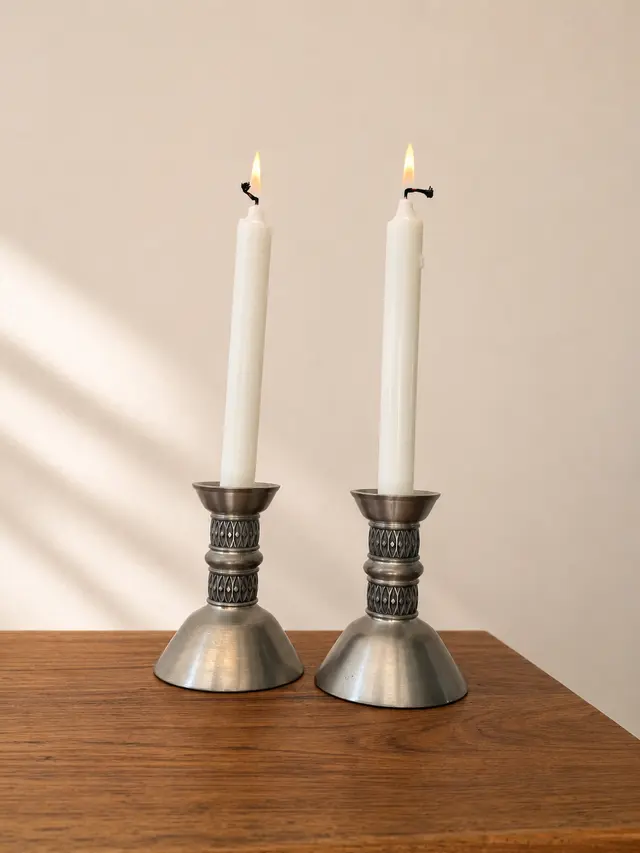
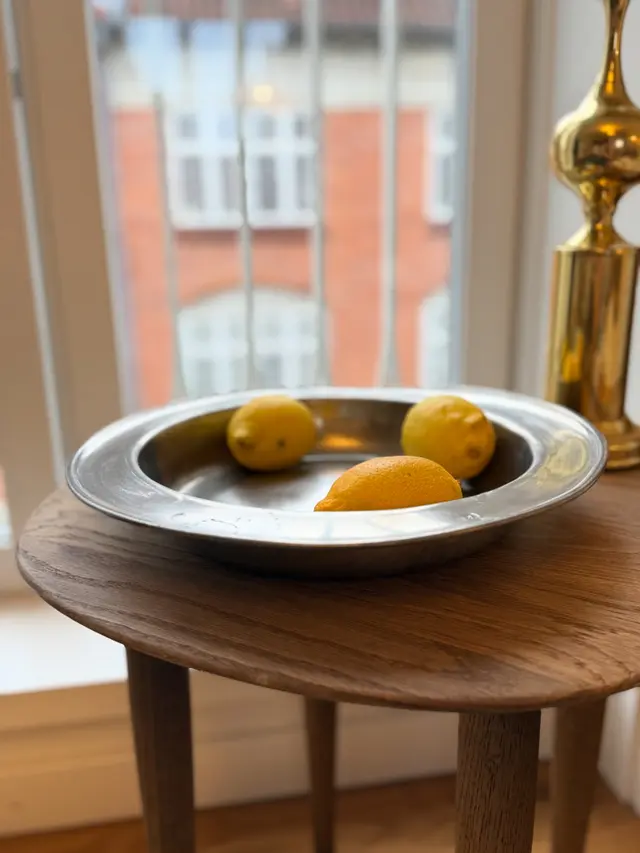
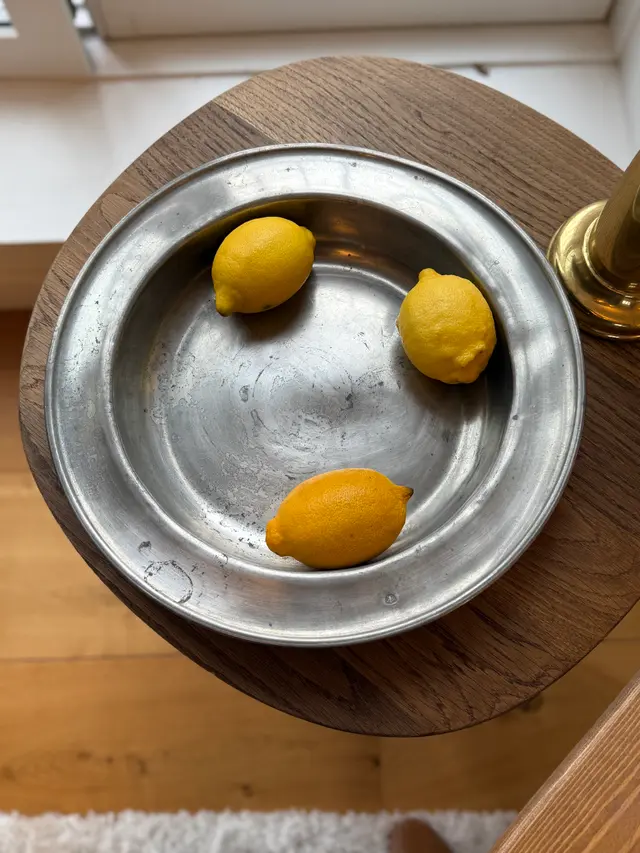
In flea markets and second-hand shops in Denmark I find bowls, candle holders, vases, trays, and small vessels in this grey material. Some are Danish; others Swedish, Norwegian, or European. Some are modernist and simple; others are decorated, heavy, and almost ceremonial.
What draws me to them is the restraint. Pewter does not throw light back sharply. It soaks it up, softens it, and brings into the house a tone that sits between metal and stone.
What is pewter?
Pewter is a metal alloy based mainly on tin. In other words, tin is the central element, and pewter is the material made when it is mixed with small amounts of other metals to improve strength, hardness, and durability.
Modern, good-quality pewter is usually tin with antimony and copper, without lead. In the past, though, pewter vessels were also made with lead. So the makeup of a vintage object is not always known, and you cannot assume every old vessel is suited to drinking or serving food.