# How Copenhagen Made Second-Hand Shopping a Viable Option Copenhagen has become a beacon for sustainable living, and one of the most notable trends in the city is the rise of second-hand shopping. This shift is not just a passing fad; it reflects a deeper commitment to environmental consciousness and a desire to promote a circular economy. **Embracing Sustainability** The city's residents have embraced the idea that buying second-hand is not only good for the planet but also for their wallets. Thrift stores, vintage shops, and online marketplaces have proliferated, offering a wide range of products from clothing to furniture. This has made second-hand shopping not only accessible but also trendy. **Community and Culture** Copenhagen's vibrant community plays a crucial role in this movement. Local initiatives and events, such as swap meets and second-hand markets, encourage people to exchange items and share stories. This fosters a sense of community and reinforces the idea that second-hand shopping is not just about saving money, but also about connecting with others and promoting sustainability. **Quality Over Quantity** Another factor contributing to the success of second-hand shopping in Copenhagen is the emphasis on quality. Many shops curate their selections carefully, ensuring that items are not only stylish but also durable. This focus on quality helps to change the perception of second-hand goods, making them a desirable option rather than a last resort. **The Future of Second-Hand Shopping** As Copenhagen continues to lead the way in sustainable practices, the second-hand shopping trend is likely to grow even more. With increasing awareness of environmental issues and a shift in consumer behavior, it's clear that second-hand shopping is here to stay. The city serves as an inspiring example of how embracing sustainability can lead to innovative solutions that benefit both people and the planet.
כשהגעתי לדנמרק לפני 6 שנים כסטודנטית, משהו לא הסתדר לי. הסטודנטים סביבי, שחיו מתקציב יפה אבל מוגבל, יכלו להרשות לעצמם מנורות של לואיס פולסן, מעילים של Rains, פריטים של Mads Nørgaard ותיקים של Acne Studios. תשמעו, בדנמרק אין פריימרק, כמעט ואין רשתות זולות, ובכל זאת אף אחד לא הגיע ערום לכיתה. איך זה קרה?
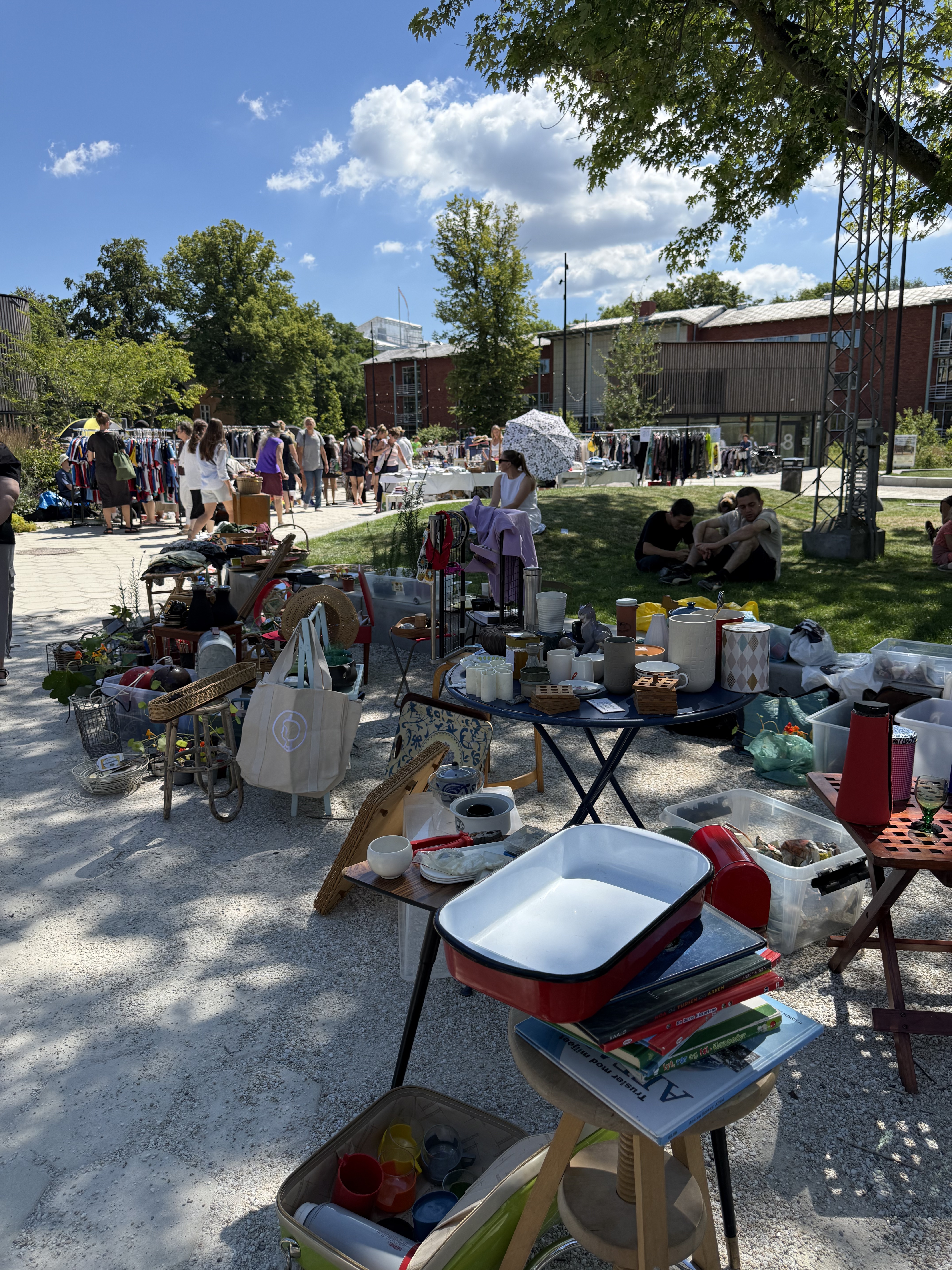
התשובה הגיעה בקיץ. הגעתי לכאן בשיא המגפה, חודשים ארוכים שבהם חללים סגורים עמדו שוממים והקור השאיר את הרחובות ריקים. הכלכלה המעגלית של קופנהגן – תרבות שלמה שדורשת מישוש של בדים, חיכוך ברחוב וקירבה אנושית – המתינה בסבלנות לעונה החמה. ואז השמש התקרבה לקופנהגן, המרחבים הפתוחים התמלאו, ובפעם הראשונה, אחרי כמעט שנה בקופנהגן, נתקלתי בשוק יד שנייה מקומי.
לא ידעתי את נפשי. מותגים סקנדינביים איכותיים, שכבר למדתי להסתכל עליהם בשנה החולפת רק מתוך חלונות ראווה, נמכרים פתאום במחירים מצחיקים וזמינים למיקוח. במדינה שבה עיצוב הוא חלק מהזהות הלאומית, חפצים נתפסים כדברים שכדאי לתקן, להעביר הלאה ולחיות איתם שנים. הכלכלה המעגלית הזו מנגישה איכות סקנדינבית גבוהה גם למי שחי על תקציב סטודנטיאלי מוגבל. קניית מוצרים יד שנייה בדנמרק היא הגיון מקומי שמאפשר לכולם להתלבש ולעצב את הבית ברמה הגבוהה ביותר.
בישראל, כמעט כל מגזר יודע לזהות ביד שנייה משהו שהוא כבר מאמין בו. בשמאל ידברו על קיימות, מיחזור וקהילתיות. בחברה הערבית אפשר לזהות מסורת חזקה של העברה בין קרובים, תיקון, ושימוש חוזר. בציבור הדתי והחרדי ידברו על גמילות חסדים ובל תשחית. בימין הכלכלי והלאומי ידברו על חסכנות, עצמאות, פחות תלות בייבוא וכלכלה מקומית.
וזה בדיוק העניין: כולם כבר מבינים את הערך. כל מחנה מחזיק בשפה מוסרית אחרת לאותו רעיון בסיסי. הבעיה היא לא שאין לנו ערכים. יש לנו יותר מדי ערכים.
אבל ערכים לא הופכים בקלות ליומיום. בישראל תרבות היד השנייה עדיין מקרטעת בין קבוצות וואטסאפ, ערימות פוליאסטר שכבשו כל ספסל טוב, ויוזמות שתלויות בנשים טובות שמחזיקות קהילה על הגב שלהן בחינם.
נכון לדנים יש מודעות סביבתית עמוקה. אבל, ככה אני טוענת, הערכים האלה מצליחים לשגשג ביומיום הדני ולחלחל למודעות הציברוית, בזכות זה שהם נשענים על תשתית שהופכת אותם להתנהגות צרכנית פשוטה, חכמה ומשתלמת.
הפער העצום הזה בין הרצון הישראלי למציאות הדנית נובע ישירות מהיעדרם של תנאים תשתיתיים בסיסיים שאנחנו חייבים ליישם גם אצלנו:
השתתפות גורפת וקלה: פעולת המכירה פשוטה בדיוק כמו הקנייה. כל אדם יכול להביא מתלה מהבית ולפתוח דוכן ב-100 עד 300 קרונות (כ-50–150 שקלים). בקיץ השווקים ממלאים את הרחובות ובחורף הם נודדים לחללים סגורים, בזמן שלאורך השנה כולה התרבות פועמת גם באפליקציות, קואופרטיבים וחנויות קונסיגנציה. הנגישות הזו הופכת כל צרכן לספק. הכסף מחליף ידיים במהירות, נשאר בקהילה, והמכירה של היום פשוט מממנת לכולם את הרכישה האיכותית של מחר.
מרחב עירוני גמיש: תכנון המרחב הציבורי כאן מבוסס על "עירוב שימושים" בזמן. כיכר, פארק או חצר בית ספר אינם קופאים על השמרים בסוף השבוע. הם מתוכננים מראש עם תשתית שמאפשרת להם לשנות פנים ולארח בקלות שווקי קח-תן ויד שנייה. המרחב הפיזי הבנוי מעודד את הכלכלה המעגלית פשוט מעצם היותו נגיש ורב-תכליתי.
דואר! כן, דואר (ומאותה סיבה – גם אופניים ומטרו): בדיוק כפי שמקדונלד'ס היא בראש ובראשונה אימפריית נדל"ן ורק אחר כך רשת המבורגרים, תעשיית היד השנייה מבוססת בראש ובראשונה על תנועה ולוגיסטיקה. האופן שבו אנחנו נעים במרחב קריטי ליכולת של חפצים לעבור ממקום למקום ביעילות. תרבות היד השנייה פה מפותחת בזכות התשתית הזו – היכולת של אדם פרטי להעביר חבילה מתקיימת באותה קלות שבה בישראל אוספים שקית של שיין מהמכולת. התשתית התחבורתית מרחיבה את האפשרויות האלה אפילו לריהוט: חופש התנועה במרחב מאפשר לאנשים להעביר רהיטים שלמים דרך המטרו, וזו כבר ממש בדיחה מקומית. לא פעם ראיתי זוג סוחבות שידה אל תוך הקרון.
איכות חומרי הגלם. לקנות פריט יד שניה זה לקנות חפץ שהוכיח לך שהוא שרד חיים שלמים. להעביר הלאה בחינם זה לתת למישהו לשלם ארנונה על פריט שהוא לא בטרנד, או שכבר יצאו לו הגולגולים, במסווה של פעילות מוסרית.
וזה המסר שלי:
ההתמודדות האמיתית עם תרבות הצריכה דורשת הרבה מעבר להעלאת מודעות או חינוך. העולם החברתי לא זז רק בזכות ערכים וכוונות טובות. הוא זז בתוך מבנים, תשתיות ויחסי כוח שמאפשרים לטוב, או לרע, לקרות בקלות.
ערכים צריכים מערכות כדי להפוך ליומיום.
אז במקום לשאול איך מחנכים אנשים לקנות יד שנייה, אולי הגיע הזמן לשאול שאלה אחרת:
מה צריך לבנות כדי שזה פשוט ישתלם להם?
רוצים להעמיק את החוויה שלכם בקופנהגן, ולגלות בעצמכם את חנויות היד השנייה והשווקים המקומיים? כתבו לי בתגובות "מפות" או "סיור" ואשלח לכם את מפת החנויות שלי והזמנה לסיור הקרוב.
Newsletter
Stay in the loop
New field notes in English, delivered to your inbox. No spam, unsubscribe any time.