The Logic of the Fællesskabet
מהגן ומגרש המשחקים ועד למקומות העבודה ומסעדות המישלן, ה־Fællesskabet מסביר כיצד התרבות הדנית מטפחת שייכות, שיתוף פעולה וחשיבה קולקטיבית.
This week, the annual Michelin event was celebrated at the Tivoli Gardens concert hall. The climax was marked when the restaurant "Kadeau" was awarded three stars. Chef Nikolaj Nørgaard took the stage, surprised, standing there devoid of charisma, and stammered into the microphone: "It's all the team. I may be the face... but it's the team."
This spontaneous speech reflects one of the deep social instincts in Denmark. At the pinnacle of his professional life, Nørgaard turned the spotlight to the most important unit in his culture: the collective, the Fællesskabet.
For us Israelis, this scene evokes a complex feeling. Israeli society has grown from collective roots of mutual responsibility, but in recent decades it has shifted strongly towards individualism and competitiveness, a process that begins the moment our children are born. While in previous decades we sought Hebrew names from the Bible for our children that emphasized our connection to one another, today we look for unique names that will signal from the start a personal path of distinction.
Danish society, on the other hand, begins entirely differently. Children's names are chosen from a closed list, and every Danish mother's sweet dream is to raise a child who will fit well into society.
One day, I arrived to pick up Adam earlier than usual, just as a group of toddlers was getting ready to go outside to the yard in the rain. The kindergarten teacher sat patiently with them on the floor, allowing them to independently deal with their rain suits, and turned to one of the children: "Lukas, Rasmus's foot got stuck in his boot. Can you help him?"
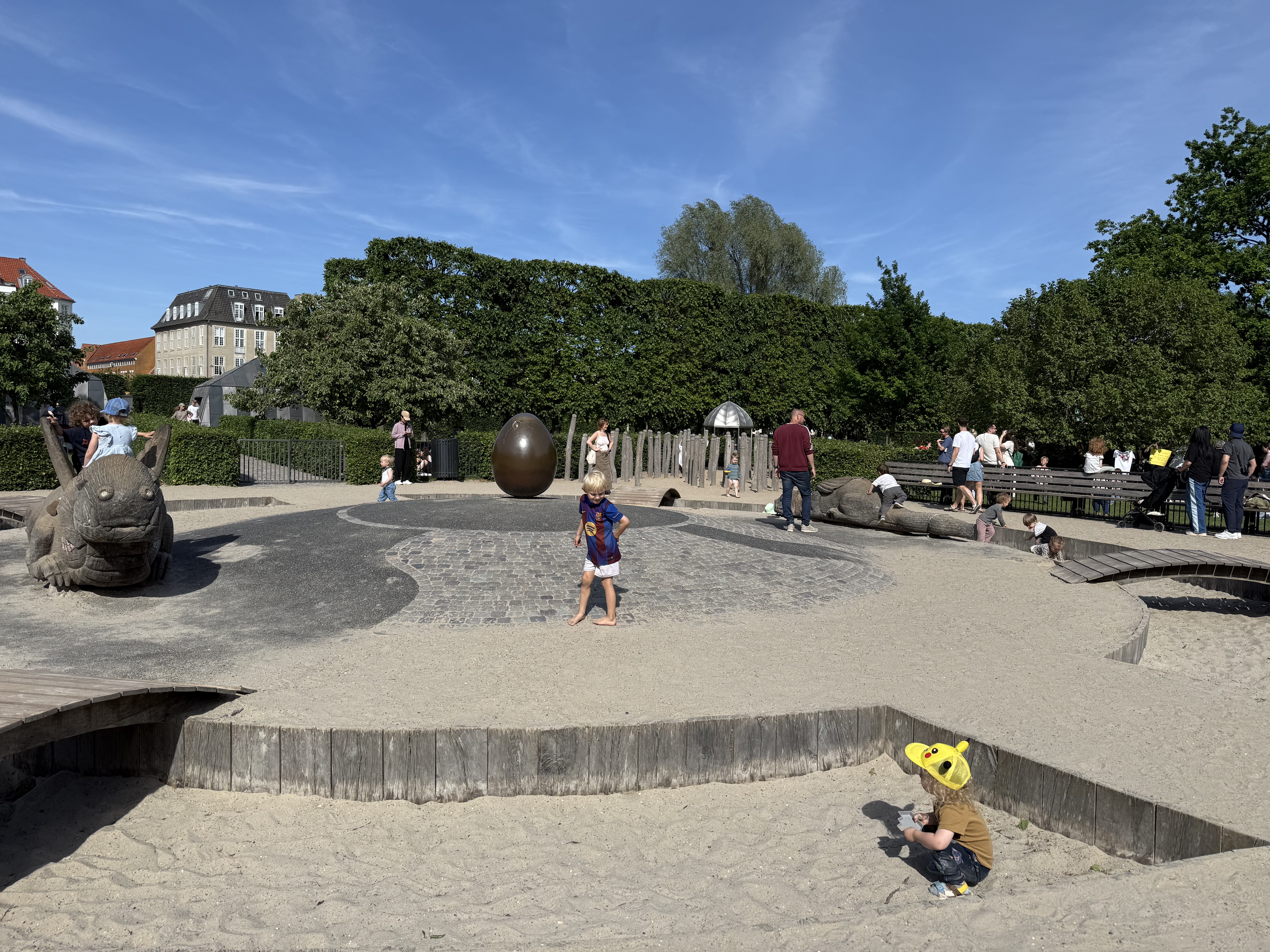
The logic of the Fællesskabet continues even with the parents in the playground. The private toys in the sandbox mix among all the children, and only when a family gets up to leave does it become clear to whom the bucket, the truck, or the little spade belonged. A child who doesn't share a toy, a girl who takes it, a line that lengthens by the swing, a little push by the slide—none of these are seen as disruptions to play.
They, my friends, are the play.
The playground is not a space designed to teach children to climb the highest, to be the fastest on the slide. It is a space where children learn to be together.
The Danes practice this throughout their lives. In schools and universities, learning and even exams are done in groups. In workplaces, a flat hierarchy is maintained, and decisions are made by consensus. Even in Danish resumes, the most valued sections focus on the candidate's contribution to the team.
The chef's stammering speech on stage is moving because it reminds us of what we lose when we try to raise each child as a one-time story. It is precisely the most unique, precise, and unreplicable food that is born from a collective: from individuals who agreed to be part of something larger than themselves.
Newsletter
Stay in the loop
New field notes in English, delivered to your inbox. No spam, unsubscribe any time.